Oeiras' Rosário Neighborhood Certified as Piauí's First Urban Quilombo
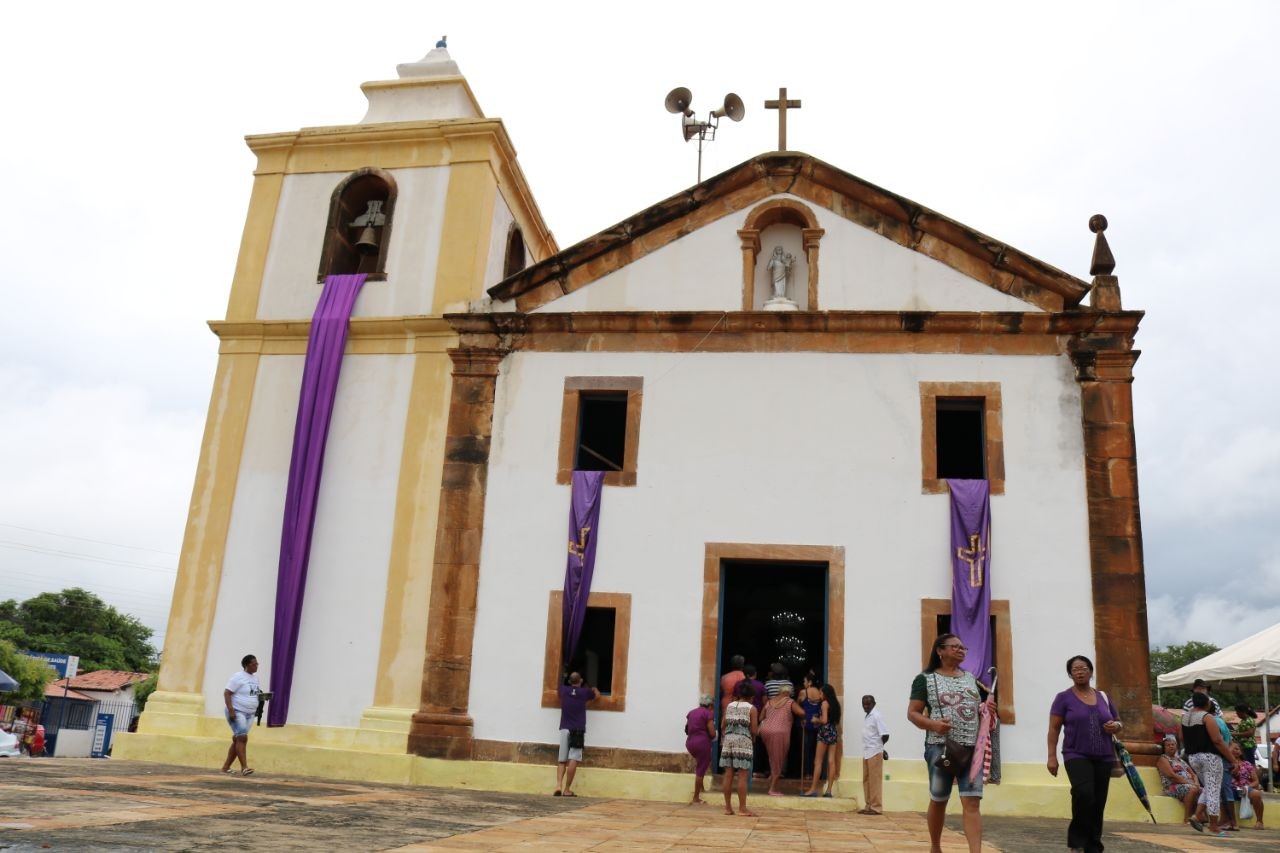
The Rosário Neighborhood in Oeiras, Piauí, has been officially recognized as the first urban quilombo in the state. This significant certification was granted by the Palmares Cultural Foundation (FCP) and published in the Official Gazette of the Union on Friday, the 10th. The recognition follows a dedicated process initiated by the community itself, involving residents, researchers, and local leaders who gathered historical documents, testimonies, and studies demonstrating the neighborhood's quilombola identity and trajectory.
An anthropologist from the National Historical and Artistic Heritage Institute (Iphan) explained that the community sought their assistance to begin the constitutional heritage listing process for the quilombo's cultural assets. However, obtaining the Self-Definition Certificate from the Palmares Cultural Foundation was a prerequisite. This certification is crucial for the community to officially open the heritage listing proceedings.
Furthermore, the recognition enables the community to pursue the historical claim of regularizing the territory they traditionally occupy. This territorial regularization will involve procedures with the National Institute of Colonization and Agrarian Reform (Incra) and the Piauí Institute of Territorial Planning and Land Management (Interpi), requiring the preparation of an anthropological report. With this certification, the Rosário Neighborhood is now officially included in Brazil's General Registry of Quilombola Communities.
The certification of the Rosário Neighborhood as Piauí's first urban quilombo marks a pivotal moment in recognizing Afro-Brazilian heritage and historical land rights within urban contexts. This official designation by the Palmares Cultural Foundation and subsequent steps towards territorial regularization with Incra and Interpi highlight the evolving legal and administrative frameworks designed to address historical injustices and protect cultural heritage. The process underscores the importance of community-led initiatives in reclaiming and asserting identity, leveraging institutional recognition to secure tangible rights. Looking ahead, this precedent could influence urban planning and heritage preservation policies across Brazil, potentially empowering other historically marginalized communities to seek similar recognition and protections, thereby fostering greater social equity and historical accountability.
AI-generated to prompt reflection — not editorial opinion, not advice, not a statement of fact. How this works.