Off-Duty Police Officer Points Toy Gun at Kitesurfer in Arraial do Cabo Dispute
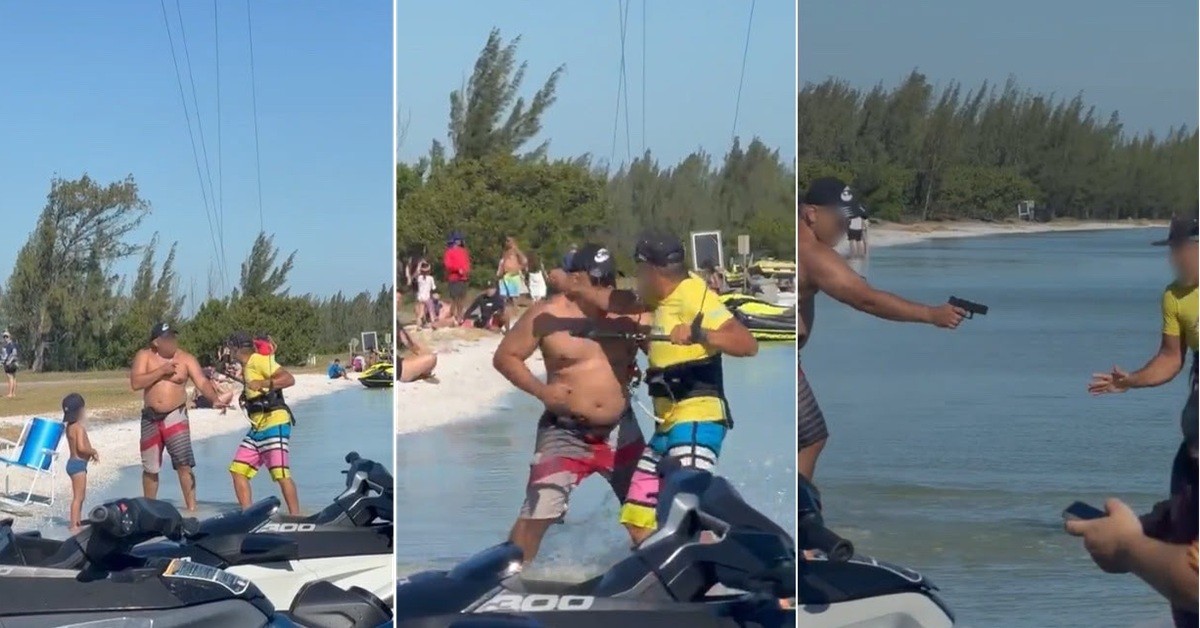
An off-duty civil police officer pointed what he claims was a toy gun at a kitesurfer in Arraial do Cabo, Rio de Janeiro, on Tuesday, May 21st. The officer stated he confronted the kitesurfer because he believed his wife and children were in danger. The incident occurred at Praia da Arubinha after the kitesurfer performed maneuvers close to the family's location in the water. According to the officer, he initially attempted to speak with the kitesurfers and asked them to move away. When the maneuvers continued, he felt his family was at risk and retrieved the object from his car to confront them. Witnesses reported that the object failed to fire on two attempts. The Arraial do Cabo municipality confirmed that kitesurfing is permitted in the Ponta da Acaíra area, which is a state environmental protection zone. Kitesurfers are required to follow safety and navigation rules, including maintaining a minimum distance of 50 meters from bathers. The municipality stated it conducts environmental oversight and works with other agencies to manage the area. Security teams, including PROEIS and the Municipal Guard, also patrol the beaches. The 132nd Civil Police precinct is investigating the incident, and all individuals involved have been identified and are being interviewed. Attempts to get information from the Brazilian Navy and Civil Police regarding the seizure of the object were unsuccessful at the time of reporting.
This incident highlights the potential for conflict when recreational activities overlap in shared public spaces, particularly coastal areas with multiple users. The officer's perception of threat, whether justified or not, led to an escalation involving a weapon, even if a toy. The case underscores the importance of clear regulations and enforcement for water sports like kitesurfing, especially concerning proximity to swimmers, to prevent future misunderstandings and dangerous confrontations. It also raises questions about appropriate responses to perceived safety risks in public areas and the protocols for de-escalation. Future management of such areas may benefit from enhanced communication channels between different user groups and authorities to proactively address potential friction points.
AI-generated to prompt reflection — not editorial opinion, not advice, not a statement of fact. How this works.