Off-Duty Police Sergeant Dies After Being Hit by Drunk Driver in São Paulo
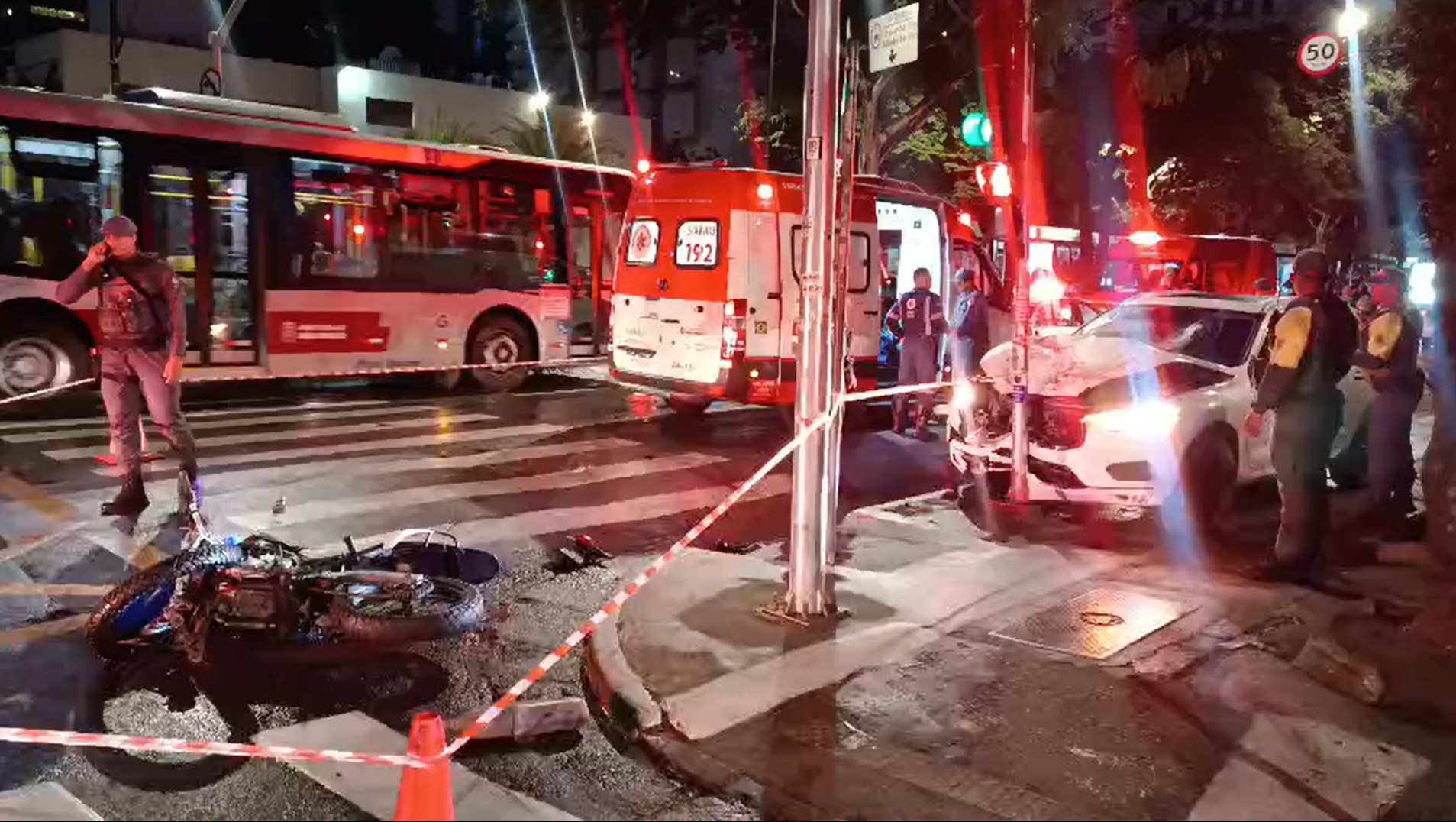
A 50-year-old Military Police sergeant, Fábio Ferreira de Souza, died early Thursday, November 23rd, after being struck head-on by a drunk driver traveling the wrong way on Avenida Nove de Julho in São Paulo's South Zone. The victim, a 26-year veteran nearing retirement and serving in the 2nd Shock Battalion, was riding his motorcycle when the collision occurred at high speed. He was rushed to the Hospital das Clínicas with cardiac arrest but could not be saved. The driver, identified as 22-year-old Bruno Yusio Sales Shimizu, exhibited signs of intoxication and refused a breathalyzer test. He was arrested for negligent homicide and taken to the 14th Precinct in Pinheiros, where the Volvo car he was driving was seized. Investigations revealed that Shimizu had recently spent approximately R$ 3,000 on alcoholic beverages at a club in the Vila Olímpia area. Security footage indicated he entered Avenida Nove de Julho against traffic, driving in the bus lane before swerving into the central lanes and hitting the sergeant's motorcycle. Shimizu stopped his vehicle and surrendered to authorities. Two female passengers fled the scene before police arrived, while a male passenger was questioned and released. This incident marks Shimizu's second fatal accident; in 2020, at age 17, he was involved in a collision that killed a 19-year-old motorcyclist. At the time, he faced juvenile delinquency charges as he was a minor.
This tragic event highlights the severe consequences of impaired and reckless driving, particularly when combined with high speeds and disregard for traffic laws. The incident underscores systemic challenges in enforcing traffic safety regulations and addressing repeat offenses, especially concerning young drivers with prior serious incidents. The driver's alleged intoxication and prior history raise questions about accountability and the effectiveness of legal frameworks for juvenile offenders. Moving forward, a critical examination of impaired driving enforcement, graduated licensing programs, and rehabilitation strategies for individuals with a pattern of dangerous behavior is warranted to prevent future loss of life. The focus should be on proactive measures and robust legal deterrents to ensure public safety on roadways.
AI-generated to prompt reflection — not editorial opinion, not advice, not a statement of fact. How this works.