Oil and Gas Supply Disrupted as Hormuz Strait Traffic Slows
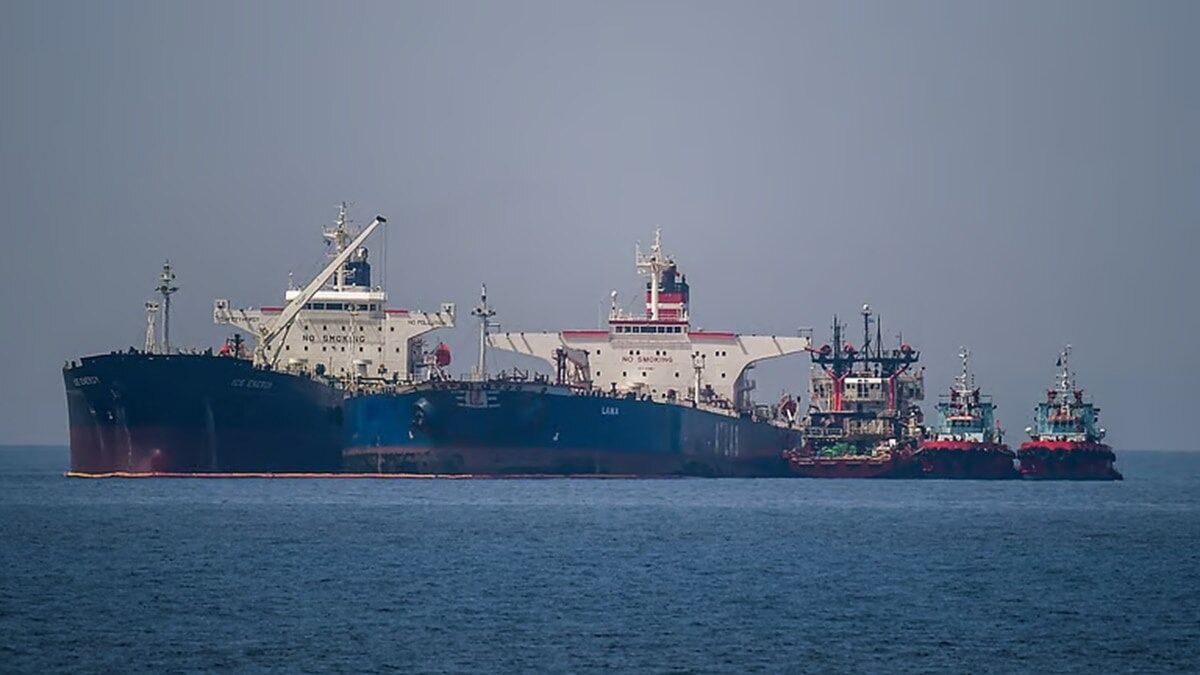
The world's most critical oil supply route, the Strait of Hormuz, has seen its shipping traffic nearly halt following consecutive days of U.S. attacks on Iran. The situation has escalated to a point where most vessels are now proceeding through the maritime lane only after obtaining approval from Iran. This disruption significantly impacts global energy supplies, given the strait's strategic importance for oil and gas transportation. The increased scrutiny and potential delays could lead to fluctuations in global energy markets. The geopolitical tensions stemming from the U.S. actions against Iran are directly affecting international trade routes and the reliable flow of essential commodities. The implications extend beyond immediate supply concerns, potentially influencing long-term energy security strategies and international maritime law. The ongoing situation necessitates careful monitoring of diplomatic efforts and their impact on regional stability and global energy flows. The blockage, even if partial, underscores the vulnerability of key chokepoints in global supply chains.
Geopolitical tensions between the U.S. and Iran have directly impacted a critical global energy chokepoint, the Strait of Hormuz. This event highlights the inherent fragility of international supply chains reliant on specific maritime passages. The strategic imperative for nations to diversify energy sources and secure alternative transportation routes becomes more pronounced in light of such disruptions. Future considerations should include enhancing the resilience of global energy infrastructure against politically motivated interdictions and exploring technological solutions for real-time monitoring and mitigation of transit risks. The situation underscores the complex interplay between international relations, energy security, and global economic stability, demanding nuanced diplomatic and strategic responses to prevent cascading negative effects.
AI-generated to prompt reflection — not editorial opinion, not advice, not a statement of fact. How this works.