Oil Becomes Geopolitical Weapon: Impact on Argentina
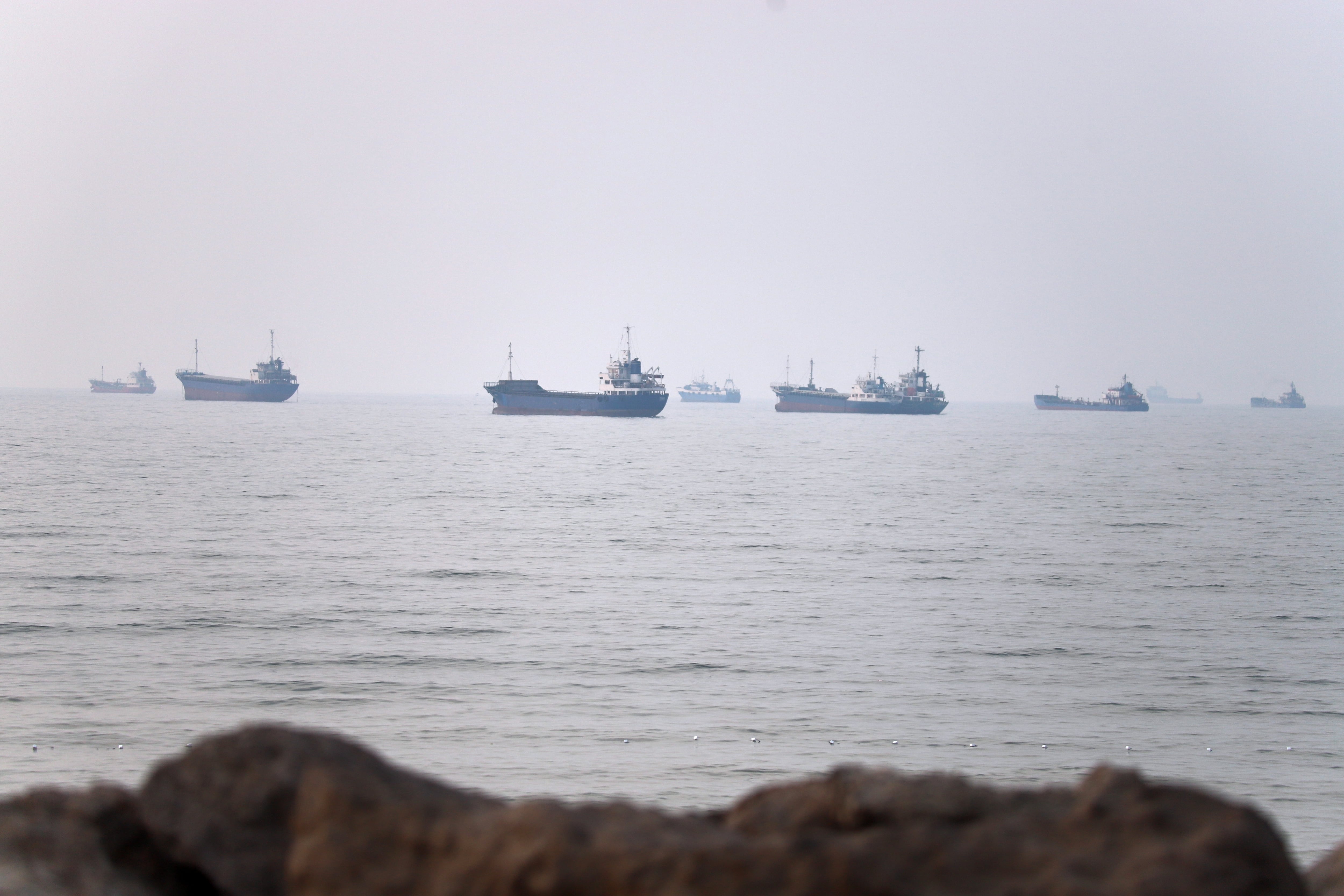
The conflict in the Middle East has fundamentally altered the dynamics of the global oil market, transforming petroleum into a "weapon" for geopolitical leverage. This shift has significant implications for countries like Argentina. Currently, crude oil prices are fluctuating within a range of US$70 to US$90 per barrel. This volatility directly affects Argentina's energy sector and its broader economic landscape. The country's reliance on imported energy sources means that international price swings can lead to increased domestic costs for fuel and electricity. Furthermore, fluctuations in oil prices can impact Argentina's export revenues if it is a net exporter of certain oil derivatives or related products. The geopolitical weaponization of oil suggests that supply disruptions or strategic production cuts could be used to influence international relations and economic policies. For Argentina, this necessitates a careful monitoring of global events and proactive strategies to mitigate potential economic shocks. The government and energy companies will need to adapt to this new reality, potentially by diversifying energy sources or securing long-term supply contracts to ensure stability.
The weaponization of oil in geopolitical conflicts highlights the inherent vulnerability of economies reliant on global commodity markets. Price volatility, driven by strategic maneuvers rather than purely supply-and-demand fundamentals, creates significant economic uncertainty. For nations like Argentina, this necessitates a strategic re-evaluation of energy security, potentially accelerating diversification efforts away from fossil fuels or strengthening domestic production capabilities. The long-term challenge lies in navigating a global energy landscape where resource availability can be deliberately manipulated, requiring robust policy frameworks to buffer against external pressures and foster sustainable energy independence.
AI-generated to prompt reflection — not editorial opinion, not advice, not a statement of fact. How this works.