Oil exports via Strait of Hormuz decline amid renewed hostilities
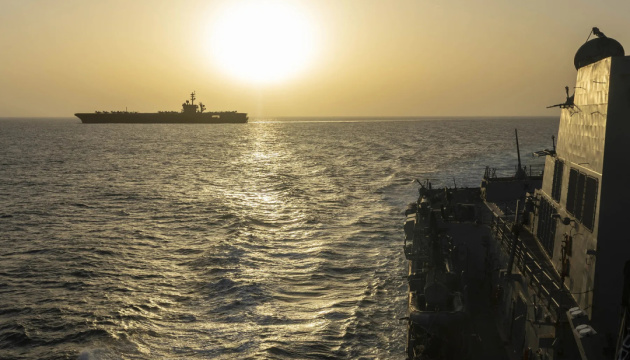
In the first half of July, Persian Gulf countries boosted their oil and condensate exports to the highest levels seen since late February, prior to the onset of conflict with Iran. However, due to a recent escalation in hostilities, the volume of shipments passing through the Strait of Hormuz is now decreasing again. This development indicates a volatile situation where increased production and export capacity are being counteracted by geopolitical risks. The Strait of Hormuz remains a critical chokepoint for global energy markets, and any disruption there can have significant implications for supply and pricing. The renewed fighting poses a direct threat to the continued flow of oil through this vital waterway. The situation highlights the ongoing tension between the desire to meet global energy demand and the persistent security challenges in the region. The fluctuating export levels underscore the delicate balance of the current geopolitical landscape.
The fluctuating oil export volumes through the Strait of Hormuz reflect the inherent tension between meeting global energy demand and managing escalating regional geopolitical risks. Increased export figures in early July suggest a robust supply response, potentially driven by market incentives or strategic positioning. However, the subsequent decline due to renewed hostilities underscores the vulnerability of critical energy chokepoints to conflict. This dynamic illustrates how geopolitical instability can override market fundamentals, creating price volatility and supply uncertainty. Looking ahead, the reliance on this narrow waterway for a significant portion of global oil trade presents an ongoing systemic risk. Diversification of supply routes and energy sources, alongside diplomatic de-escalation, will be crucial for long-term energy security and market stability.
AI-generated to prompt reflection — not editorial opinion, not advice, not a statement of fact. How this works.