Oil, Gas, and Sovereignty: Facts, Figures, and the Negotiation Table
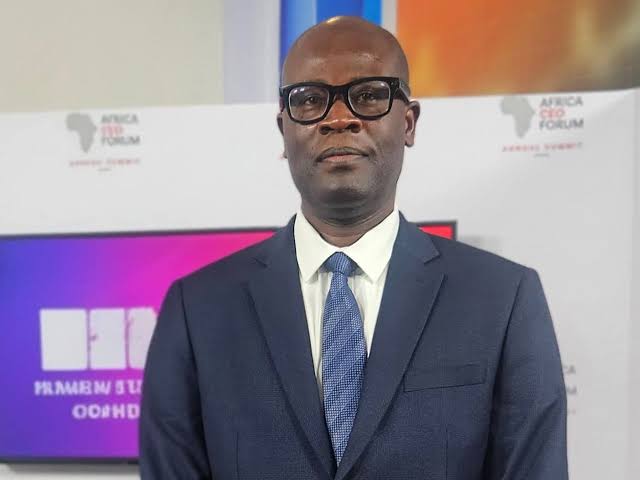
This article responds to a previous piece by Dr. Serigne Momar Sarr, published on August 3rd, which discussed oil, gas, and sovereignty in Senegal. The author, Alioune Gueye, acknowledges Dr. Sarr's contribution as well-documented and worthy of careful consideration. Gueye aims to provide a factual and numerical basis for the ongoing discussions surrounding Senegal's energy resources and national control over them. The piece intends to move beyond anecdotal narratives and contribute to a historical understanding of these critical issues. By presenting concrete data and figures, Gueye seeks to inform the negotiation process and clarify the complex relationship between resource extraction and national sovereignty. The author emphasizes the importance of grounding these discussions in verifiable information to ensure informed decision-making for Senegal's future.
This exchange highlights the critical juncture Senegal faces regarding its newly discovered oil and gas reserves. The debate centers on how to leverage these resources for national benefit while asserting sovereignty, moving from theoretical discussions to practical implementation. The core tension lies in balancing foreign investment and technical expertise with domestic control and equitable distribution of wealth. Future policy decisions will need to navigate complex international contract law, global energy market volatility, and the imperative for transparent governance to avoid resource curse dynamics. The long-term success will hinge on building robust national capacity and ensuring that resource revenues genuinely contribute to sustainable development and economic diversification over the next decade.
AI-generated to prompt reflection — not editorial opinion, not advice, not a statement of fact. How this works.
