Oil Prices Dip 1% as OPEC+ Agrees to Output Increases
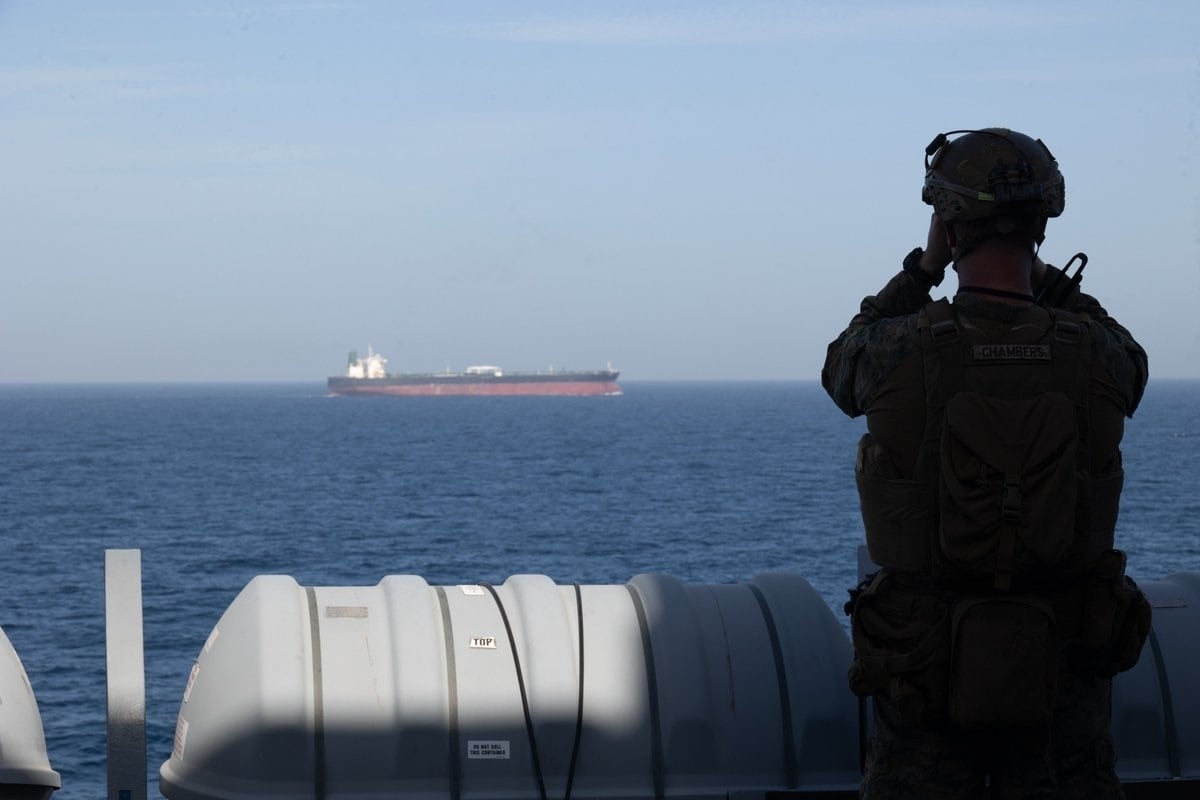
Global oil prices experienced a decline of approximately 1% following the Organization of the Petroleum Exporting Countries and its allies (OPEC+) agreement to implement further production increases for August. This decision comes as oil exports from the Persian Gulf region and Russia show signs of recovery, contributing to increased global supply. The Brent crude benchmark and West Texas Intermediate (WTI) futures both saw their prices fall in response to these developments. The combined effect of OPEC+'s decision to boost output and the resurgence of shipments from key exporting areas is exerting downward pressure on the international oil market. This situation highlights the delicate balance between production decisions by major oil-producing nations and the dynamics of global supply and demand.
The recent OPEC+ decision to increase oil production, coupled with recovering exports from the Persian Gulf and Russia, reflects a strategic response to market conditions and potentially evolving geopolitical factors. This move aims to balance supply with demand, but it also introduces volatility as global economic recovery and energy transition trends continue to shape long-term consumption patterns. The market's reaction suggests that current supply increases may be outpacing immediate demand growth, or that future demand uncertainties are already being priced in. This dynamic underscores the ongoing challenge for energy producers in navigating the complexities of global energy markets, including the interplay of cartel decisions, geopolitical stability, and the accelerating shift towards renewable energy sources over the next decade.
AI-generated to prompt reflection — not editorial opinion, not advice, not a statement of fact. How this works.