Oil Prices Dip After OPEC+ Agrees to Modest Output Increase
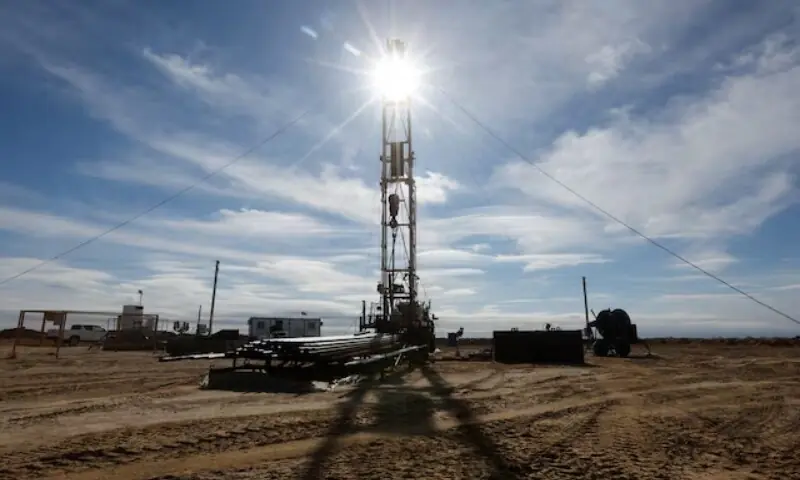
Oil prices experienced a slight decrease on Monday following OPEC+'s decision to raise output targets starting in August. This move comes as exports from major producers through the Strait of Hormuz show signs of recovery, potentially increasing global supply. Brent crude futures fell by 0.47% to $71.78 a barrel, while US West Texas Intermediate crude was down 0.29% to $68.49 a barrel. Both benchmarks saw minimal changes last week, having declined in previous weeks amid ongoing discussions between the United States and Iran concerning maritime traffic in the Strait of Hormuz and monitoring the recovery of Gulf oil exports. The Organization of the Petroleum Exporting Countries and its allies, including Russia, agreed on Sunday to boost output targets by an additional 188,000 barrels per day from August, adding to previous increases in June and July. However, the actual impact of this increase is limited, partly due to the conflict involving the US and Israel with Iran, which had previously disrupted tanker traffic through the Strait of Hormuz for key OPEC producers like Saudi Arabia, Kuwait, and Iraq, thereby capping their production. The United Arab Emirates (UAE) officially left OPEC in May. Gulf nations have been gradually restoring production and increasing exports after the conflict. According to a Reuters survey, OPEC oil output in June rose by 3.3 million barrels per day from May to 19.43 million barrels per day, recovering from a more than two-decade low. Gulf oil exports in June surged by over 3 million barrels from May, surpassing 10 million barrels per day, though still remaining 40% below pre-conflict levels. Additionally, Russian oil shipments from western ports reached a record high in June and are expected to continue at that level in July, as refinery damage from Ukrainian drone attacks has prompted Moscow to increase crude exports.
The OPEC+ decision to increase output targets by 188,000 barrels per day, while seemingly a step towards normalizing supply, is tempered by the practical limitations of member states' production capacity and the lingering geopolitical instability in the Strait of Hormuz. The market's muted reaction suggests that current supply disruptions and the potential for future volatility outweigh the announced increase. Looking ahead, the interplay between geopolitical tensions, the pace of recovery in oil-producing regions, and the global demand trajectory will be critical factors. The increasing volume of Russian crude exports, despite refinery damage, highlights adaptive supply chain strategies in response to conflict, a trend likely to persist in an era of heightened geopolitical risk. Market participants will continue to monitor the balance between OPEC+'s stated intentions and the on-the-ground realities of production and transit.
AI-generated to prompt reflection — not editorial opinion, not advice, not a statement of fact. How this works.