Oil Prices Dip After US Strikes on Iran Sparked Sharp Gains
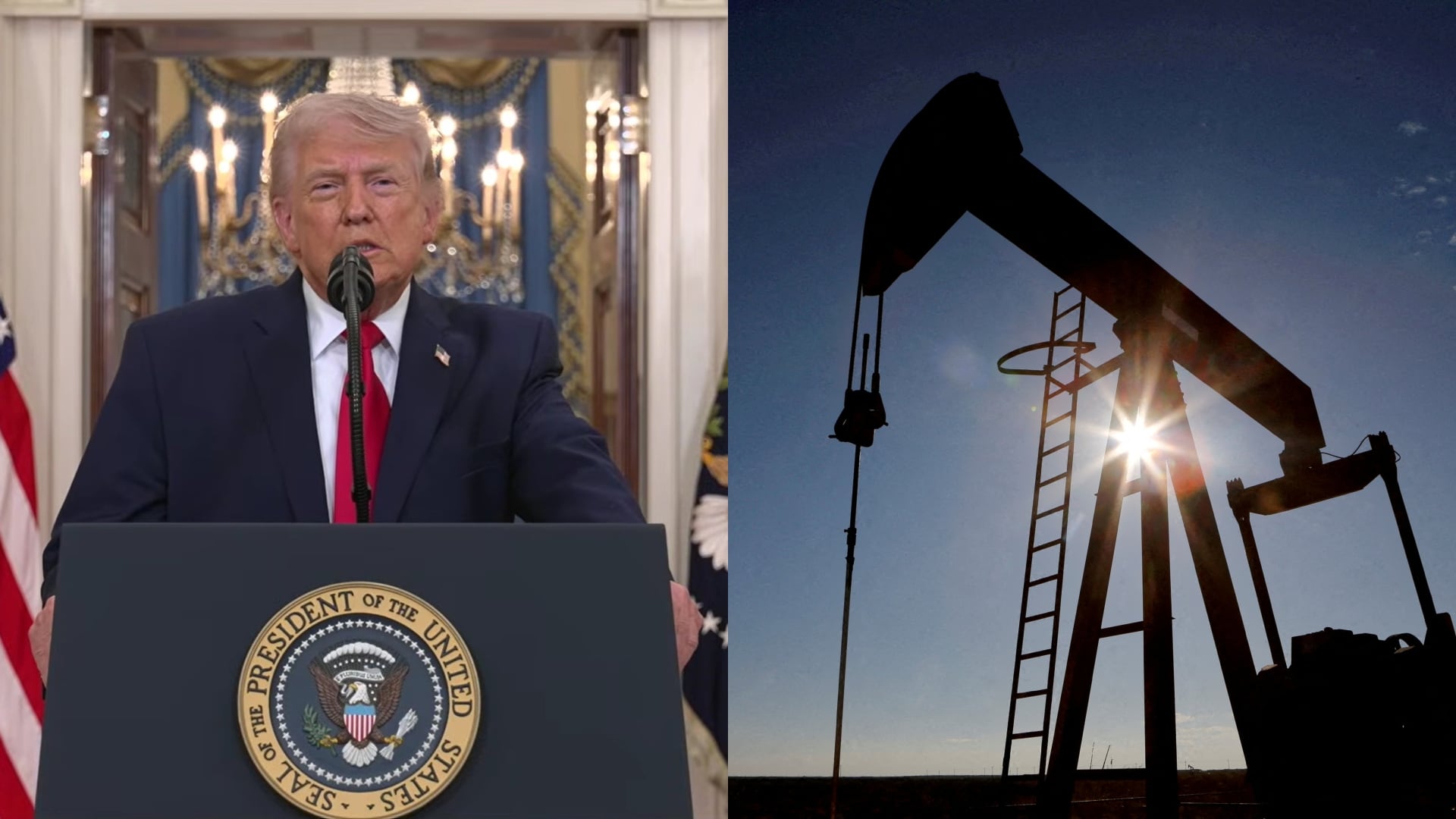
Brent crude, the benchmark for Chile, saw a decrease of 1.06%. However, West Texas Intermediate (WTI) reversed its earlier downward trend from the early morning and began to rise again. This fluctuation follows a significant surge in oil prices that was triggered by United States actions against Iran. The market is reacting to geopolitical developments, with traders assessing the potential impact on global supply and demand dynamics. The initial sharp jump in oil prices reflected heightened tensions and concerns about potential disruptions to oil production and transportation routes in the Middle East. The subsequent pullback in Brent and rebound in WTI suggest a complex and rapidly evolving market sentiment. Investors are closely monitoring further developments and official statements from involved parties to gauge the duration and severity of the impact on oil markets.
The oil market's volatility demonstrates its acute sensitivity to geopolitical events, particularly those involving major energy-producing regions. Fluctuations following US actions against Iran highlight the intricate interplay between international relations, supply chain security, and energy commodity pricing. Market participants are likely weighing the immediate impact of potential disruptions against the broader economic implications and the strategic responses of various global actors. This event underscores the ongoing challenge of balancing energy security with geopolitical stability, a dynamic that will continue to shape energy markets throughout the coming decade as the world navigates evolving global power structures and technological shifts.
AI-generated to prompt reflection — not editorial opinion, not advice, not a statement of fact. How this works.