Oil Prices Drop as Trump Pauses Iran Attack, Pursues Deal to Reopen Strait of Hormuz
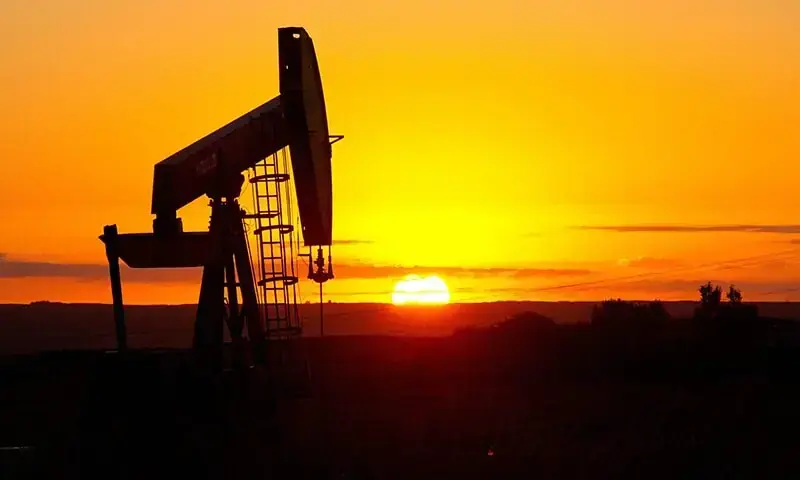
Oil prices experienced a significant decline on Monday, with Brent crude futures falling by 5.11% to $83.44 a barrel and US West Texas Intermediate crude dropping by 5.79% to $79.77. This tumble occurred after US President Donald Trump announced he would not proceed with a planned attack on Iran, instead opting to seek a swift agreement to reopen the crucial Strait of Hormuz. Both oil contracts had surged over 20% in the previous month due to renewed conflict between the US and Iran and attacks on tankers near Oman, which raised security concerns and disrupted shipping in the Gulf. President Trump indicated on his Truth Social platform that Iran and other Middle Eastern nations requested time to finalize a deal aimed at the "Immediate, Complete and Total" reopening of the strait and addressing Iran's nuclear concerns. Market analysts are closely watching whether this de-escalation will hold, with concerns that hopes for a deal could collapse if Iran resists or escalates tensions, potentially by targeting a US base or a passing tanker. Over the weekend, two Saudi oil tankers transited the Bab el-Mandeb Strait, while traffic in the Strait of Hormuz reportedly slowed following vessel attacks. The UK Maritime Trade Operations has reported three additional tanker incidents since Saturday. In parallel, OPEC+ approved an oil production quota increase of approximately 188,000 barrels per day starting in September, aiming to reverse some voluntary production cuts. However, previous OPEC+ increases this year have had minimal market impact due to ongoing export disruptions in the Gulf caused by the conflicts in Iran and Ukraine.
The market's sharp reaction to the potential reopening of the Strait of Hormuz highlights the critical role of geopolitical stability in global energy supply chains. President Trump's pivot from military action to diplomatic engagement, if successful, could significantly reduce risk premiums embedded in oil prices. However, the underlying tensions and Iran's leverage over the vital waterway remain potent factors. The effectiveness of any deal will depend on verifiable de-escalation and Iran's commitment to international norms, while OPEC+'s production adjustments, historically hampered by broader geopolitical disruptions, will continue to be a secondary influence on price discovery in the near term. The long-term implications will hinge on whether this diplomatic opening can foster sustained regional stability, a crucial element for predictable energy flows in an increasingly complex global landscape.
AI-generated to prompt reflection — not editorial opinion, not advice, not a statement of fact. How this works.
