Oil Prices Jump 3% Amid Renewed US-Iran Tensions
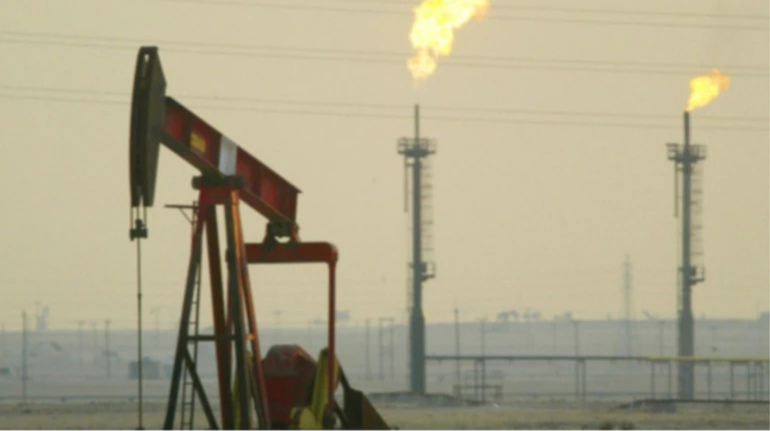
Oil prices have surged by 3% following a period of escalating strikes between the United States and Iran. The increase in crude oil prices was reported by media outlets monitoring the market's reaction to the renewed hostilities. This development highlights the significant impact geopolitical events, particularly those involving major oil-producing regions or key global players, can have on energy markets. The renewed strikes have created uncertainty, leading to a price hike as traders anticipate potential disruptions to supply or transit routes. The specific nature of the strikes and their targets were not detailed in the report, but their intensity appears to have been sufficient to trigger a notable market response. This price movement underscores the delicate balance of global oil supply and demand, which is highly sensitive to geopolitical instability. Further developments in the US-Iran situation are expected to continue influencing oil prices in the short to medium term.
The recent 3% surge in oil prices, directly linked to renewed US-Iran tensions, illustrates the persistent vulnerability of global energy markets to geopolitical friction. This event underscores how regional conflicts, even those not directly involving major oil production facilities, can trigger significant price volatility due to market expectations of future supply disruptions or transit risks. The market's rapid response highlights the interconnectedness of global economics and the outsized influence that perceived geopolitical instability can exert on commodity prices. Looking ahead, the interplay between diplomatic efforts, potential escalation, and the strategic positioning of energy resources will continue to shape market dynamics, presenting ongoing challenges for energy security and economic stability.
AI-generated to prompt reflection — not editorial opinion, not advice, not a statement of fact. How this works.