Oil Prices Reflect Global Tensions, Dropping Amidst Iran-US Dialogue Hopes
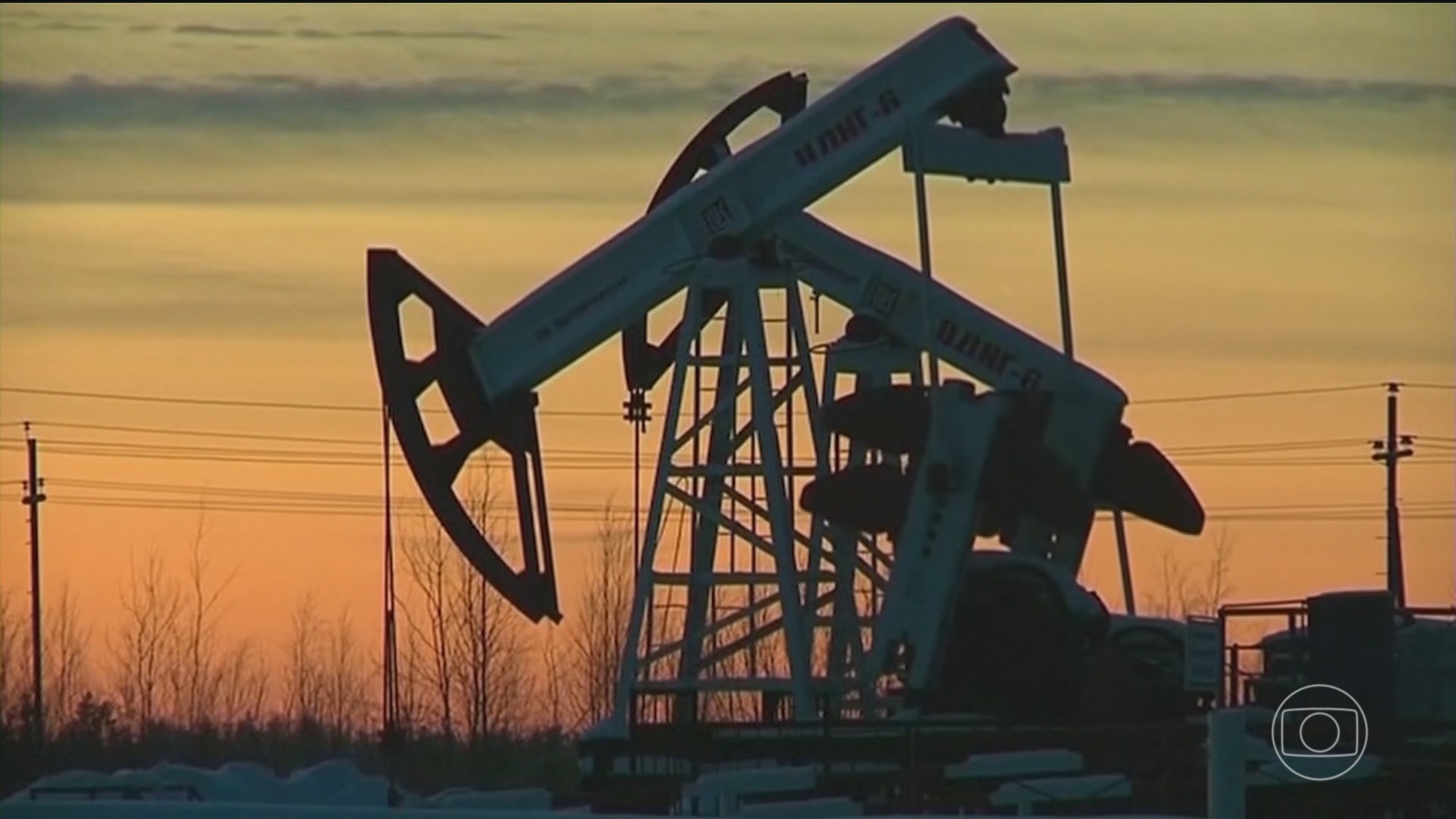
The price of a barrel of oil fell by nearly 5% to $83.77 on Monday, June 3rd. This decline occurred despite ongoing tensions between Iran and the United States, as the market reacted to the cancellation of a US attack over the weekend and the anticipation of further dialogue. The price of oil has consistently mirrored the progression of global conflicts, acting as a barometer for international tensions. Earlier spikes in July highlighted the fragility of agreements between the US and Iran, while Houthi attacks on Saudi oil tankers in the Bab-el-Mandeb Strait exacerbated the situation. Economist Sérgio Vale of MB Associados noted that the current phase of the conflict is more concerning than in February or March due to tighter stock levels and a lack of clear, credible solutions in the immediate future. He warned that prolonged conflict increases the risk of significant stock depletion and a subsequent surge in oil prices. Historically, oil prices have tracked geopolitical events, with a notable price escalation following the US invasion of Iraq in 2003, lasting five years and influenced by China's growth. The all-time high of nearly $144 per barrel was reached in 2008, while prices plummeted during the pandemic. The invasion of Ukraine by Russia in 2022 marked another peak, followed by a period of stability until recent US-Iran tensions, which have kept the minimum price above $71. Experts emphasize that not all global conflicts impact oil prices; the significance of the involved nations in global production is crucial. Currently, seven of the world's top ten oil-producing countries are directly or indirectly involved in conflicts, such as those in Iran and Ukraine. Professor Feliciano Guimarães of USP stated that the high profitability and global energy dependence on oil contribute to conflicts occurring in oil-rich regions, suggesting that oil itself attracts wars.
The fluctuating price of oil serves as a powerful, albeit volatile, indicator of geopolitical stability. Market reactions to events involving major oil-producing nations, particularly those in conflict zones, underscore the intricate link between energy security and international relations. The current situation, where multiple key producers are embroiled in conflicts, highlights systemic vulnerabilities in global energy supply chains. Future energy strategies will likely need to prioritize diversification and de-escalation in critical regions to mitigate the economic impact of such geopolitical flashpoints and ensure more stable energy markets.
AI-generated to prompt reflection — not editorial opinion, not advice, not a statement of fact. How this works.
