Oil Prices Rise Amid Escalating US-Iran Tensions and Red Sea Shipping Threats
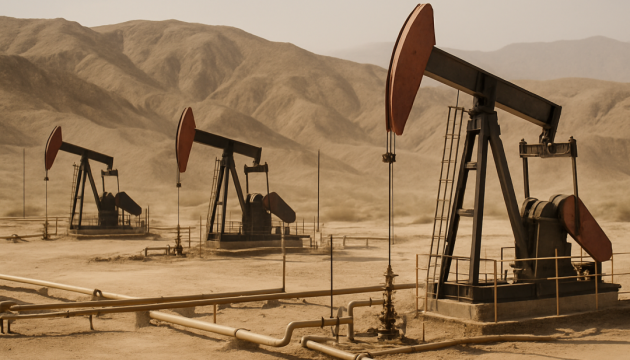
Oil prices saw an increase on Friday, driven by heightened tensions and retaliatory attacks between the United States and Iran. The conflict has led to disruptions in oil supplies, particularly impacting shipments passing through the Strait of Hormuz. These escalations have raised concerns about the stability of global energy markets. The ongoing hostilities have created uncertainty regarding the future availability of crude oil. The situation highlights the significant geopolitical risks associated with major oil-producing regions. The disruptions in the Persian Gulf could have ripple effects on international energy prices. Traders are closely monitoring developments for potential further impacts on supply chains. The events underscore the delicate balance of power in the region and its influence on global commodity markets.
The recent surge in oil prices reflects the market's sensitivity to geopolitical instability in critical energy supply routes. Escalating tensions between major global powers, particularly in regions vital for oil transit like the Strait of Hormuz, introduce significant supply-side risks. These events highlight the inherent vulnerability of global energy markets to localized conflicts and the strategic importance of maintaining open shipping lanes. The market's reaction underscores the need for diversified energy sources and robust diplomatic channels to mitigate the impact of such disruptions on global economic stability. Future price movements will likely depend on the de-escalation of hostilities and the restoration of confidence in supply chain security.
AI-generated to prompt reflection — not editorial opinion, not advice, not a statement of fact. How this works.