Oil Prices Rise Amid Heightened US-Iran Tensions and Red Sea Closure Threat
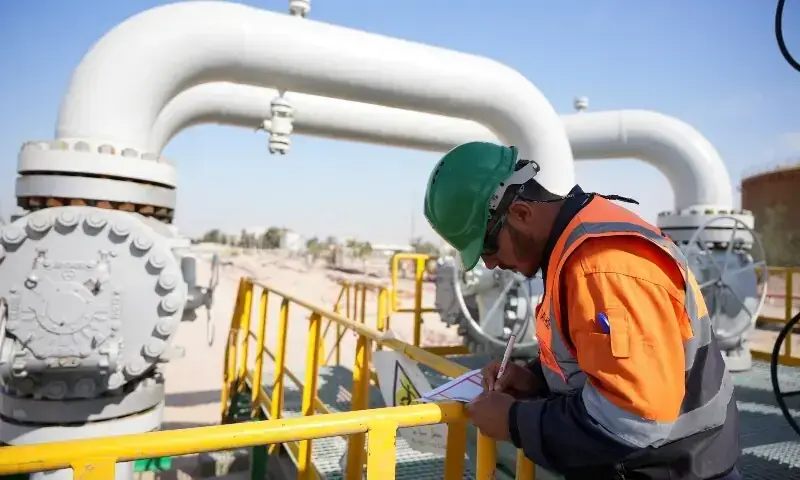
Oil prices saw a slight increase on Friday due to escalating hostilities between the United States and Iran in the Gulf region. A breakdown in their previous truce has impacted oil flows through the Strait of Hormuz. Tehran has reportedly instructed the Houthi movement to prepare for the potential closure of the Red Sea export route. Brent crude futures rose by 7 cents to $84.30 a barrel, while US West Texas Intermediate (WTI) futures increased by 16 cents to $79.11 a barrel. Both benchmarks have experienced significant gains this week, with Brent nearing a third consecutive weekly rise and WTI on track for its second. Analysts highlight the "dual-risk scenario" of potential supply disruptions in the Red Sea as a key factor contributing to a geopolitical premium in oil prices. The US conducted major air strikes on Wednesday and Thursday, targeting sites near Iran's southern coast, marking the first significant action since a pause in fighting last month. Qatar's defense ministry reported thwarting an Iranian missile attack early Friday, resulting in minor injuries from shrapnel. The International Energy Agency's Executive Director, Fatih Birol, expressed concern on Thursday about the global oil security situation if tensions do not de-escalate soon. US Central Command confirmed ongoing strikes to degrade Iranian military capabilities, while Iran has responded with missile and drone attacks on US bases in neighboring countries, including an air base in Jordan. Adding to supply worries, Iran has allegedly signaled to the Houthis the readiness to close the Red Sea oil route in response to potential US strikes on Iranian power infrastructure.
The interplay between geopolitical tensions in the Middle East and global energy markets is underscored by these developments. The potential disruption of key maritime chokepoints like the Strait of Hormuz and the Red Sea introduces significant volatility and risk premiums into oil prices. This situation highlights the fragility of global energy supply chains, which remain susceptible to regional conflicts and strategic maneuvering. As nations navigate an increasingly complex geopolitical landscape, the reliance on stable energy flows necessitates robust diplomatic engagement and diversified energy strategies to mitigate the impact of such events. The market's reaction demonstrates how quickly perceived supply risks can influence commodity prices, impacting economies worldwide and emphasizing the need for proactive risk management in energy security.
AI-generated to prompt reflection — not editorial opinion, not advice, not a statement of fact. How this works.