Oil Prices Rise Amid Middle East Supply Concerns
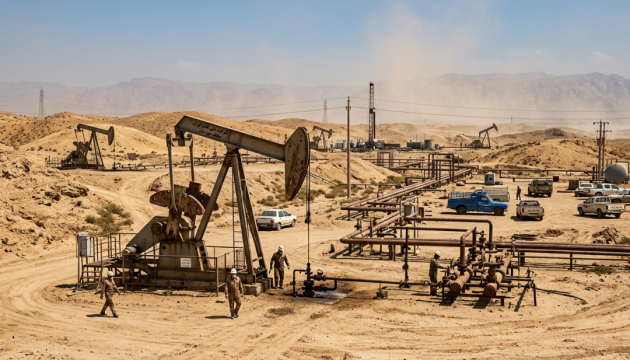
Global oil prices saw an increase on Friday due to renewed concerns about supply disruptions originating from the Middle East. These concerns were triggered by the escalation of hostilities between the United States and Iran. The conflict has led to restrictions on shipping traffic through the Strait of Hormuz, a critical chokepoint for oil transportation. The renewed tensions have created uncertainty in the market, prompting traders to bid up prices as they anticipate potential shortages. The situation highlights the delicate balance of geopolitical stability and its direct impact on energy markets. The Strait of Hormuz is a vital waterway, and any disruption there can significantly affect the global supply of crude oil. The ongoing situation underscores the vulnerability of international energy flows to regional conflicts.
Geopolitical tensions in the Middle East continue to exert significant influence on global energy markets, demonstrating the inherent volatility of oil prices. The Strait of Hormuz's strategic importance as a conduit for a substantial portion of the world's oil supply means that even localized conflicts can have far-reaching economic consequences. This event underscores the persistent challenge for global energy security, where supply stability remains contingent on regional political dynamics. Future market analyses should consider the increasing interconnectedness of geopolitical events and commodity prices, particularly in the context of evolving global energy transitions and the potential for supply chain disruptions.
AI-generated to prompt reflection — not editorial opinion, not advice, not a statement of fact. How this works.