Oil Prices Rise Amidst Congressional Division on Iran Conflict
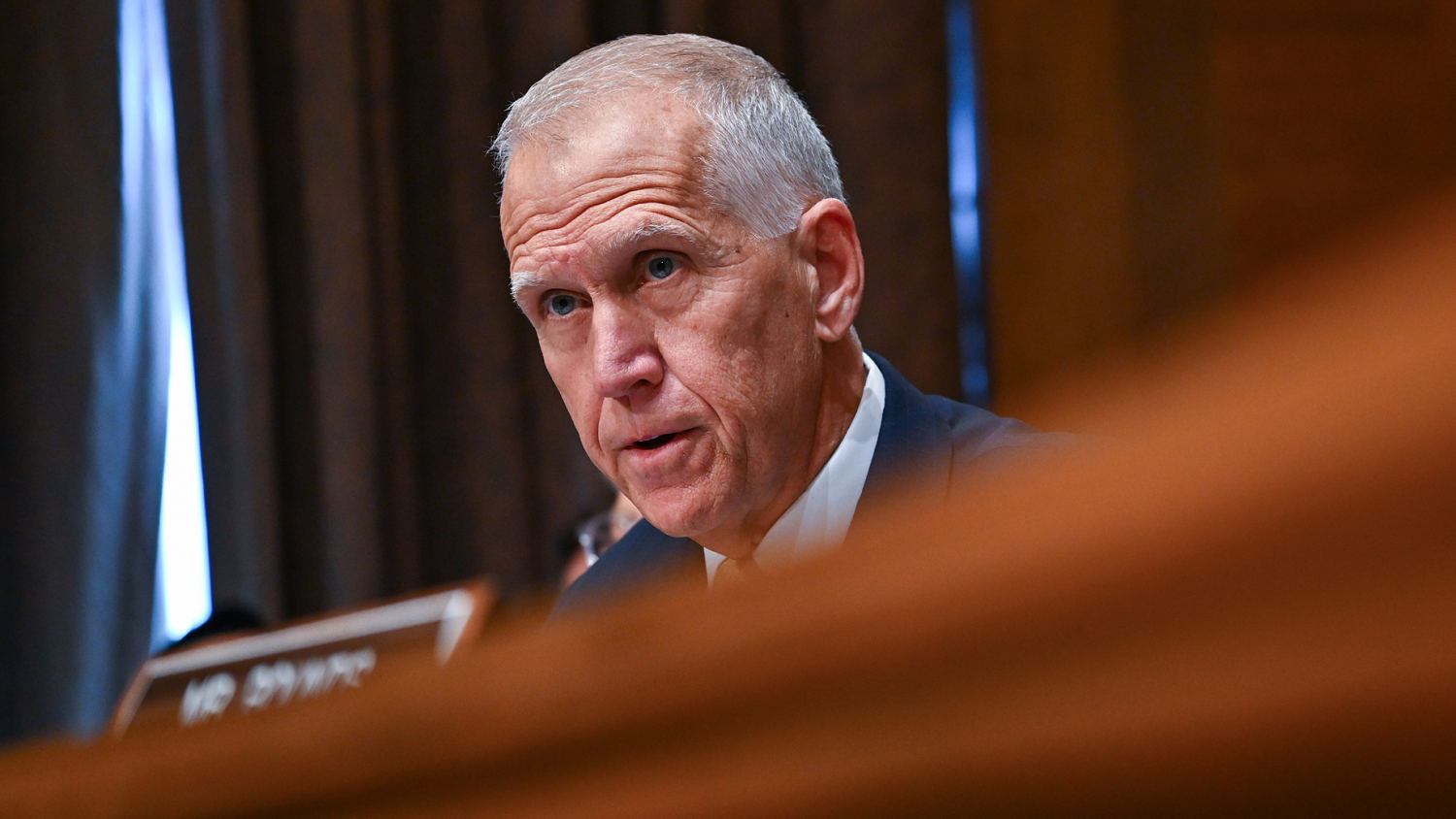
Oil prices have seen a significant surge, influenced by the ongoing conflict with Iran. This escalation is impacting both global energy markets and political discourse within the United States Congress. The situation highlights the intricate connection between geopolitical tensions and economic stability, particularly in the energy sector. Lawmakers are reportedly divided on how to address the escalating situation, with differing opinions on potential military actions and diplomatic strategies. This division within Congress adds another layer of complexity to the international response. Meanwhile, a profile of a new, lesser-known senator from South Carolina, Scott Wong and Matt Dixon, is also featured, offering insight into emerging political figures. The report suggests that the political debates surrounding the Iran conflict are directly contributing to market volatility.
Geopolitical instability, particularly concerning major energy producers like Iran, inherently creates price volatility in global oil markets due to supply chain vulnerabilities and speculative trading. Congressional divisions on military engagement can signal uncertainty to international markets, potentially exacerbating price swings. Future policy decisions will likely be shaped by a complex interplay of national security concerns, economic impacts, and domestic political considerations. The market's reaction underscores the need for clear, consistent foreign policy to foster stability. Investors and policymakers alike will be monitoring the evolving legislative landscape and its implications for energy security and global economic health over the next decade.
AI-generated to prompt reflection — not editorial opinion, not advice, not a statement of fact. How this works.