Oil Prices Stable Despite Escalating Middle East Conflict
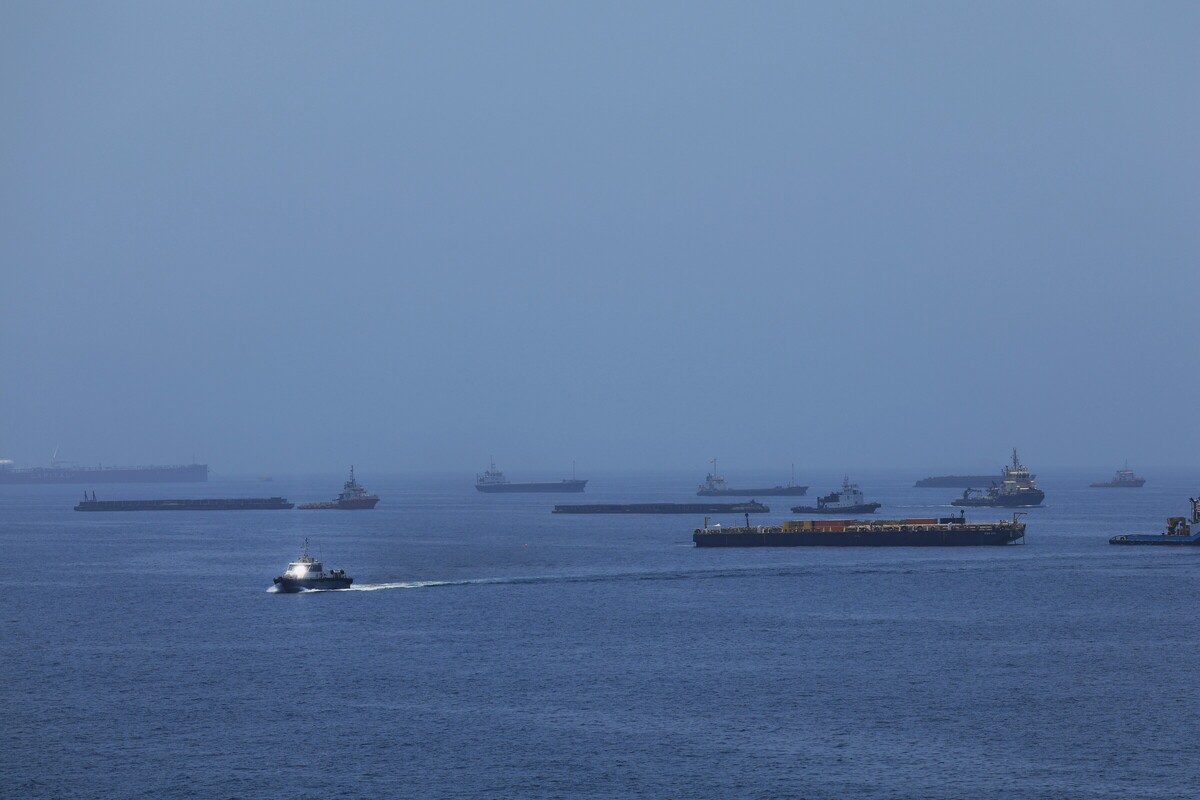
Despite escalating tensions in the Middle East, crude oil prices have only fluctuated by a few US dollars. This relative stability is attributed to several factors, including the market's gradual adaptation to the geopolitical situation. Furthermore, an increase in global oil supply has helped to offset potential price hikes. Concurrently, a decrease in demand for oil has also contributed to keeping prices in check. These combined market dynamics have prevented a significant surge in oil prices, even as the conflict in the Middle East intensifies.
The market's muted reaction to escalating Middle East tensions suggests a degree of price resilience built into current supply and demand dynamics. Investors appear to have priced in a baseline level of geopolitical risk, and the availability of alternative supply sources or strategic reserves may be mitigating the impact of localized disruptions. The interplay between reduced demand and increased supply indicates a market that is not currently experiencing a significant supply shock, allowing it to absorb geopolitical volatility without dramatic price swings. This scenario highlights the complex interplay of factors beyond immediate conflict that influence commodity prices, including production capacity, inventory levels, and global economic conditions.
AI-generated to prompt reflection — not editorial opinion, not advice, not a statement of fact. How this works.