Oil Prices Surge Amid Naval Blockade and US Strikes on Iran
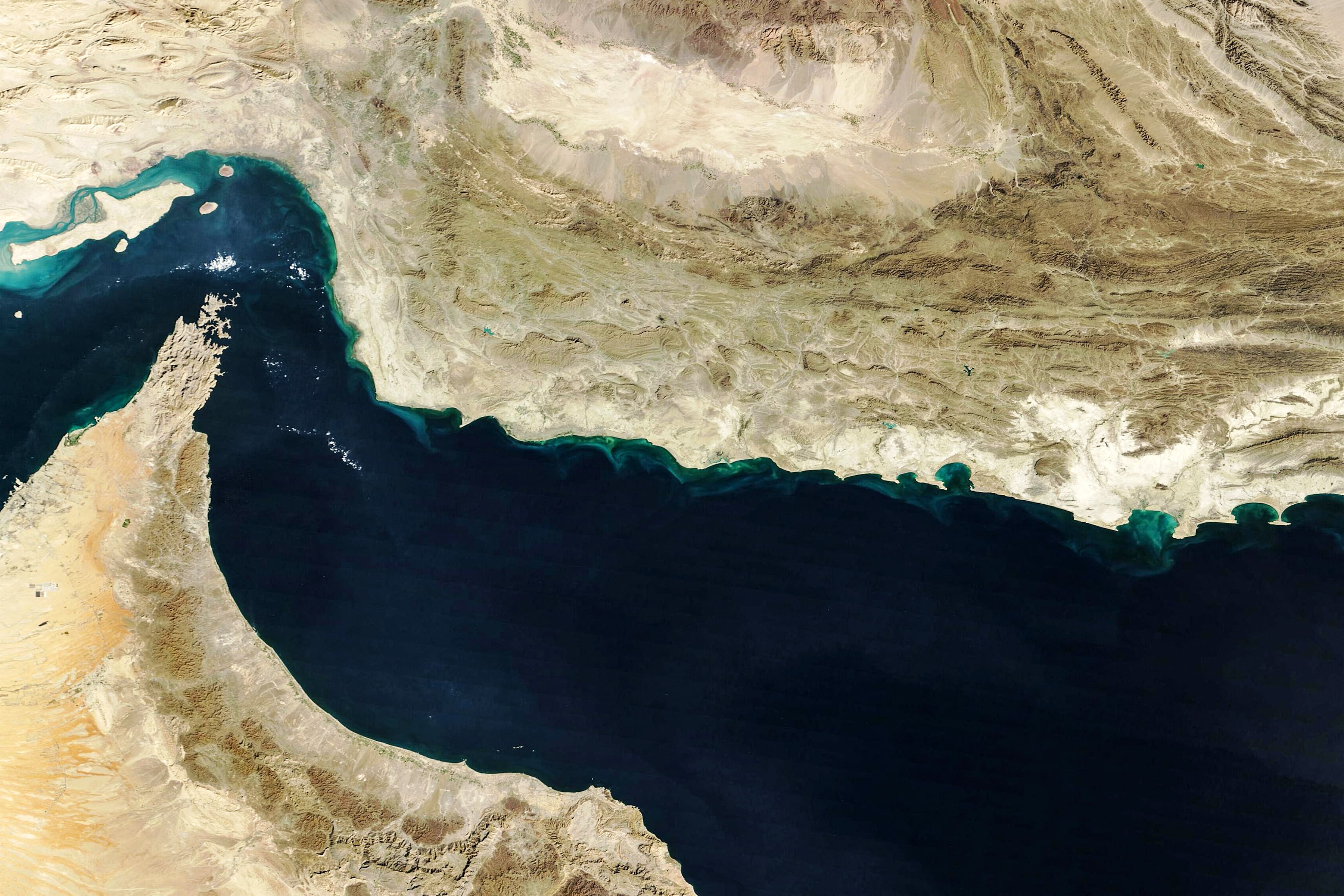
Oil prices have seen another increase following the imposition of a naval blockade on Iranian ports near the Strait of Hormuz by Washington. This action coincides with a reported seven-hour operation by the U.S. Central Command against Iranian military assets. The U.S. has re-established naval blockades, impacting key shipping lanes. The specific details of the Iranian military assets targeted have not been fully disclosed, but the operation was confirmed by the U.S. Central Command. This escalation in tensions in the region, particularly around the Strait of Hormuz, a critical chokepoint for global oil transport, is a primary driver for the rise in oil prices. The market is reacting to the increased risk of supply disruptions.
The recent escalation involving naval blockades and military actions around the Strait of Hormuz introduces significant volatility into global energy markets. Such geopolitical maneuvers, while aimed at asserting influence or enforcing policy, carry inherent risks of unintended consequences, including supply chain disruptions and price shocks. From a systems perspective, the interconnectedness of global trade means that regional instability can rapidly propagate worldwide, impacting economic stability far beyond the immediate actors. The strategic importance of the Strait of Hormuz necessitates careful diplomatic engagement to mitigate the potential for conflict and ensure the unimpeded flow of commerce, considering the long-term implications for energy security and international relations.
AI-generated to prompt reflection — not editorial opinion, not advice, not a statement of fact. How this works.