Oil Prices Surge Amid US Strikes on Iran and Renewed Strait of Hormuz Tensions
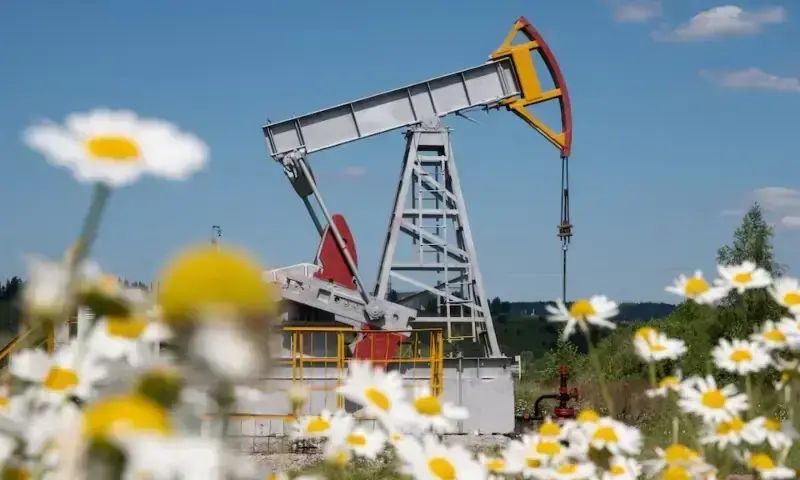
Oil prices rose by more than 2% on Wednesday, with Brent crude futures increasing by $1.92 (2.6%) to $76.08 a barrel and US West Texas Intermediate crude climbing $1.82 (2.6%) to $72.26 a barrel. This surge followed US airstrikes against Iran and the reimposition of crude sales sanctions, sparking concerns about the stability of a recent truce and potential disruptions to Middle East oil supplies. The US had previously revoked a general license authorizing Iranian crude sales after attacks attributed to Iran, which ING commodity strategists noted was significant for market sentiment and heightened the risk of a deal breakdown. The US Central Command stated the airstrikes were a response to Iranian attacks on three commercial vessels in the Strait of Hormuz. Analysts highlighted that the ongoing conflict underscores the fragility of passage through the Strait, potentially deterring market expectations of oversupply and prompting short-sellers to cover positions. If tensions persist and traffic through the waterway falls significantly below pre-war levels, supply constraints could drive prices higher. Following a truce agreement last month, oil prices had fallen, and traders had built substantial short positions based on anticipated supply increases. Iran denied responsibility for the vessel attacks, though Qatar attributed them to Iran, including an attack on a liquefied natural gas tanker. A Saudi-flagged tanker was also damaged off Oman. The incidents have revived worries about tanker traffic through the Strait of Hormuz, which handles approximately one-fifth of global energy supply. Iran is reportedly asserting control and directing ships to routes closer to its coast, while the US maintains the waterway must remain open. In the interim, nations have depleted inventories to compensate for supply shortfalls, and US crude oil inventories continued to fall last week, according to API data.
The recent escalation involving US airstrikes and renewed sanctions on Iran, coupled with attacks on commercial vessels in the Strait of Hormuz, introduces significant volatility into global energy markets. This event challenges the prevailing market narrative of impending oversupply, highlighting the persistent geopolitical risks that can rapidly alter supply-demand dynamics. The market's reaction underscores the sensitivity of oil prices to perceived disruptions in critical shipping lanes, particularly the Strait of Hormuz, which remains a vital artery for global energy transit. Future price movements will likely depend on the sustained intensity of these geopolitical tensions and their impact on actual oil flows, rather than solely on production forecasts. This situation emphasizes the ongoing systemic contradiction between the global imperative for stable energy supplies and the inherent instability of regions critical to that supply.
AI-generated to prompt reflection — not editorial opinion, not advice, not a statement of fact. How this works.