Oil Prices Surge Following US Strikes on Iran Amidst Strait of Hormuz Tensions
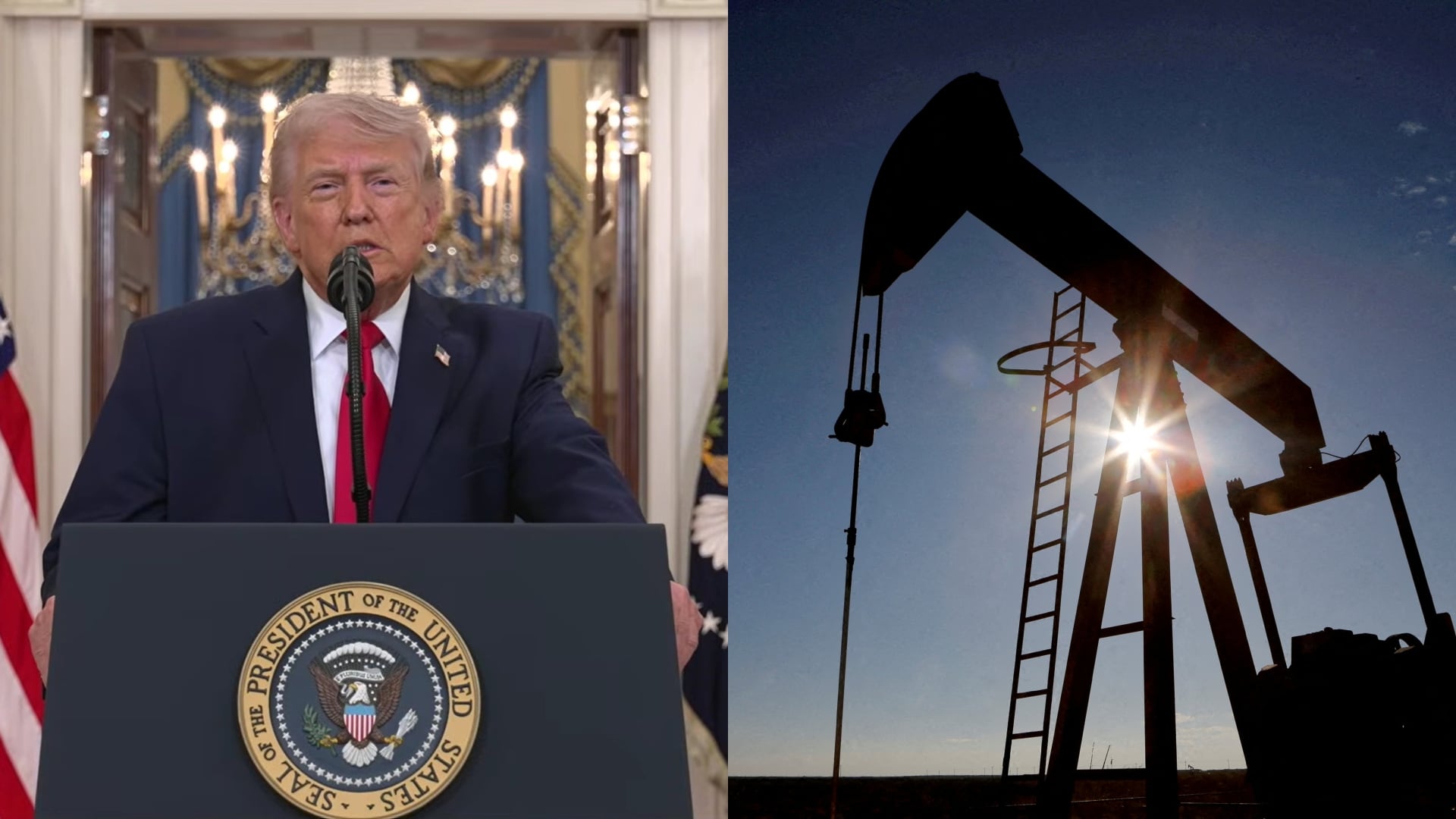
The price of oil experienced a significant increase following military actions by the United States against Iran. The West Texas Intermediate (WTI) crude benchmark rose by 5.79%, reaching US$74.50 per barrel. Concurrently, the Brent crude benchmark advanced by 5.92%, settling at US$78.55 per barrel. These market movements occurred in direct response to new U.S. military strikes on Iran. The U.S. stated these actions were in retaliation for aggressions targeting commercial vessels in the Strait of Hormuz. The escalating tensions in this critical maritime chokepoint have directly impacted global oil supply expectations and pricing.
The sharp rise in oil prices reflects heightened geopolitical risk premiums embedded in energy markets. The U.S. military actions, framed as a response to alleged Iranian aggression against commercial shipping in the Strait of Hormuz, introduce uncertainty regarding the stability of global oil flows. This event underscores the persistent vulnerability of energy infrastructure and trade routes to regional conflicts. Market participants are likely factoring in potential disruptions, which could influence investment decisions and energy policy considerations over the medium term. The dynamic highlights the ongoing challenge of balancing energy security with international relations in a region critical to global supply.
AI-generated to prompt reflection — not editorial opinion, not advice, not a statement of fact. How this works.