Oil Prices Surge Past $90 Per Barrel Amidst US-Iran Tensions
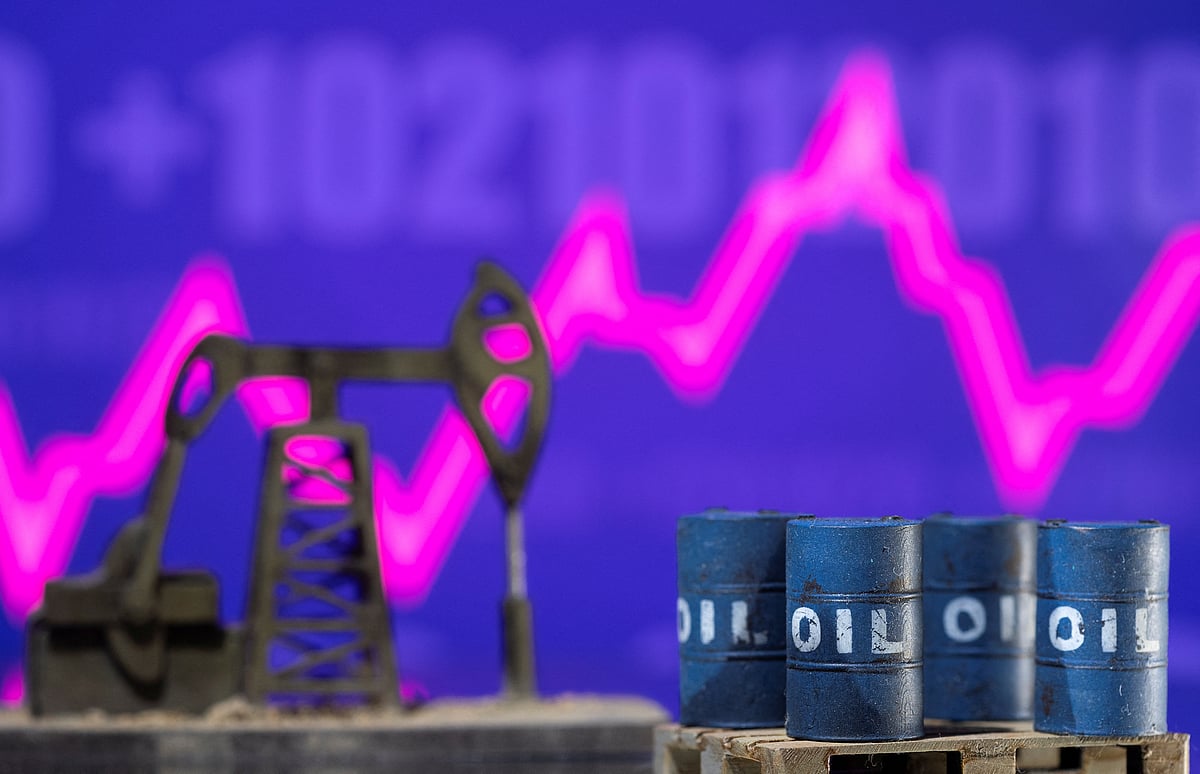
Global oil prices have reached their highest point in six weeks, with a barrel now exceeding $90. This significant price increase is attributed to escalating tensions between the United States and Iran. The conflict has disrupted oil transportation through the Strait of Hormuz, a critical chokepoint for global energy supplies. The disruption in this vital waterway has directly contributed to the upward pressure on oil prices. This development highlights the sensitivity of global energy markets to geopolitical instability in key producing and transit regions. The situation underscores the potential for regional conflicts to have far-reaching economic consequences worldwide. Market observers are closely monitoring the situation for further developments and potential impacts on global energy security. The sustained high prices could influence inflation rates and economic growth globally.
Geopolitical events, such as the US-Iran conflict impacting the Strait of Hormuz, demonstrate the inherent fragility of global energy supply chains. The price surge to over $90 per barrel reflects market anticipation of supply disruptions and potential future scarcity. This situation presents a classic economic trade-off: the immediate need for energy security versus the long-term imperative to transition towards diversified and resilient energy sources. Over the next decade, such recurring price volatility, driven by geopolitical flashpoints, will likely intensify the strategic focus on accelerating renewable energy adoption and developing alternative transportation routes to mitigate dependence on vulnerable chokepoints. This event serves as a potent reminder of the systemic risks associated with concentrated energy infrastructure.
AI-generated to prompt reflection — not editorial opinion, not advice, not a statement of fact. How this works.