Oil Prices Surge to Highest Level Since June Amid Geopolitical Tensions
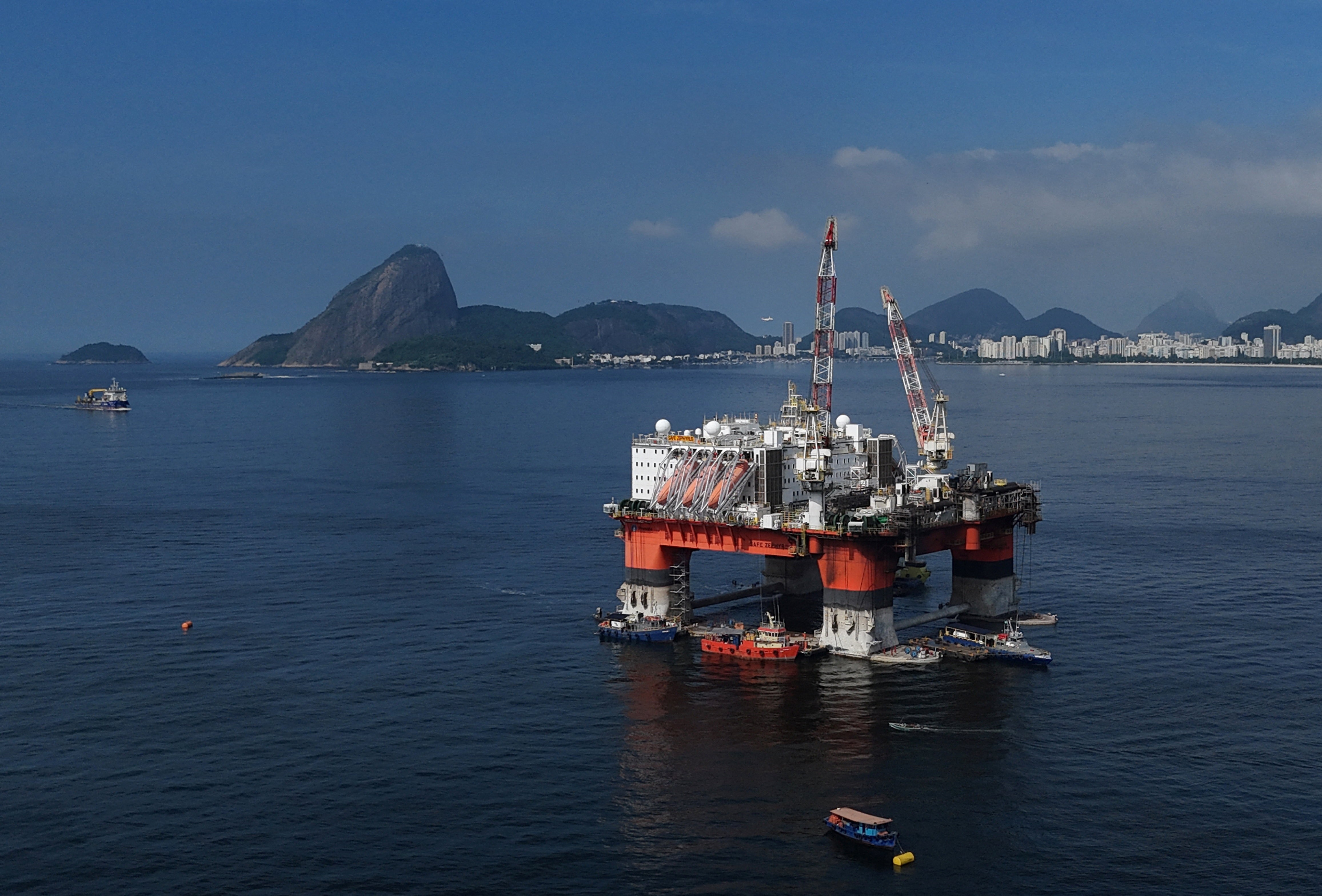
Global oil prices experienced a significant increase, reaching their highest point since June on Sunday, November 19th. The Brent crude benchmark surpassed $90 per barrel, equivalent to approximately R$ 460.53, at the market's opening. This surge followed a 2.86% rise on Friday, November 17th, bringing Brent's weekly gains to over 13% and positioning it for its largest weekly increase since April. The U.S. West Texas Intermediate (WTI) also saw a rise, climbing 3.15% to $81.44 per barrel, with its weekly gains reaching 12.4% by Friday. The primary driver for this price escalation is heightened concern over traffic in the Strait of Hormuz, a critical chokepoint through which approximately 20% of the world's traded oil passes. Iran reportedly blocked passage in retaliation for recent U.S. attacks. Amidst escalating tensions, U.S. President Donald Trump has reinstated restrictions on Iranian vessels using the strait. The U.S. Central Command (Centcom) announced a new wave of attacks against Iran on Sunday, marking the ninth consecutive day, following the deaths of three U.S. service members in recent conflicts. The New York Times reported that the U.S. is deploying additional warplanes to the Middle East, suggesting a potential intensification of the conflict. This escalation follows the deaths of two U.S. service members in an Iranian attack on a U.S. base in Jordan on Saturday, November 18th, with their deaths occurring on Friday, November 17th. A third service member died in northern Iraq on Saturday due to the controlled detonation of an unexploded ordnance. The potential impact of these geopolitical events on global oil supply, coupled with already low inventories and high demand, is fueling investor fears of further fuel price increases, potentially accelerating global inflation and affecting interest rates and economic growth worldwide.
The current surge in oil prices is directly linked to escalating geopolitical tensions in the Middle East, specifically concerning the Strait of Hormuz. This event highlights the inherent vulnerability of global energy markets to regional conflicts and strategic chokepoints. The market's reaction underscores a systemic risk where supply disruptions, even if localized, can trigger widespread price volatility due to the interconnected nature of global trade and the critical role of oil. Investors' concerns about inflation and economic growth reflect the broader challenge of managing energy security in an era of increasing geopolitical instability. Future energy policy and investment strategies will likely need to prioritize diversification of supply routes and alternative energy sources to mitigate the impact of such geographically concentrated risks.
AI-generated to prompt reflection — not editorial opinion, not advice, not a statement of fact. How this works.