Oil Prices Surge to Weekly Highs Amid Middle East Tensions
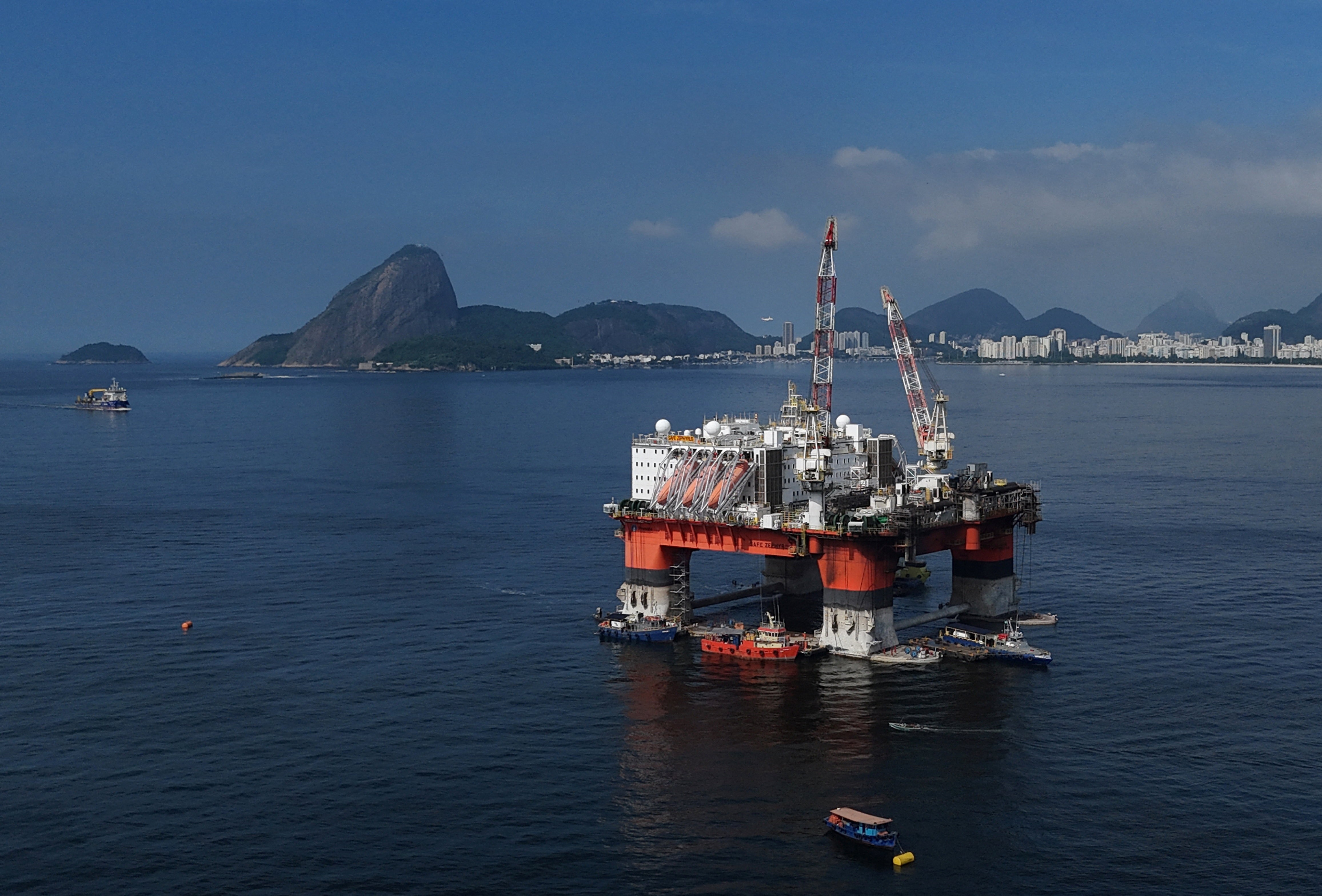
International oil prices are experiencing a significant surge, heading towards their largest weekly gain since April. As of Friday, May 17th, around 11 AM, Brent crude, the global benchmark, was up 2.86% to $86.64 per barrel. This marks a cumulative increase of over 13% for the week, potentially closing with the highest weekly rise since oil prices peaked near $120 per barrel in April. U.S. West Texas Intermediate (WTI) also saw gains, rising 3.15% to $81.44 per barrel, with a 12.4% increase for the week so far. The primary driver for this price hike is heightened concern over traffic in the Strait of Hormuz, a critical chokepoint for approximately 20% of global oil trade. Iran has reportedly blocked passage through the strait in retaliation for recent U.S. actions. In response to these escalating tensions, U.S. President Donald Trump has reinstated a blockade on Iranian vessels in the strait. While initially considering a 20% toll on goods transported through the channel, Trump later withdrew this proposal, opting instead for trade and investment agreements with Persian Gulf nations. This geopolitical escalation exacerbates worries about potential disruptions to global oil supply, particularly given current low inventory levels and robust demand. The fear is that sustained high oil prices could further inflate fuel costs, contributing to global inflation and potentially impacting interest rates and economic activity worldwide.
The current spike in oil prices is directly linked to geopolitical instability in the Middle East, specifically concerning the Strait of Hormuz. This event highlights the inherent vulnerability of global energy markets to regional conflicts and trade route disruptions. The potential for sustained supply constraints, coupled with existing demand pressures and reduced inventories, creates an environment ripe for inflationary spirals that could impact global economic growth. Policymakers will likely face the challenge of balancing energy security concerns with the need to control inflation, potentially through strategic reserve releases or diplomatic de-escalation efforts. The long-term implications may accelerate the transition towards diversified energy sources and more resilient supply chains, reducing reliance on volatile chokepoints.
AI-generated to prompt reflection — not editorial opinion, not advice, not a statement of fact. How this works.