Oil Surpasses $96 Per Barrel, Fueling Global Inflation Fears
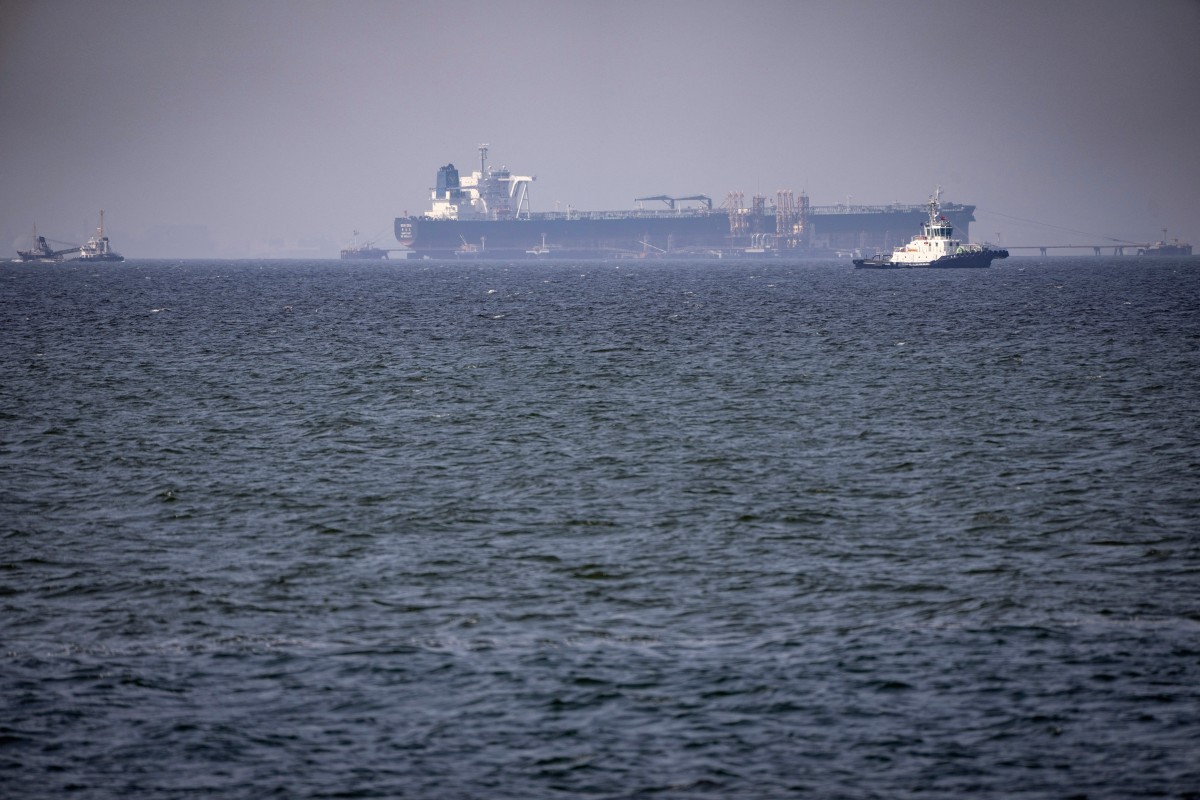
International benchmark Brent crude oil prices surged past $96 per barrel on Thursday, reaching their highest level since early June. This escalation is driven by heightened concerns over global oil supply, particularly due to navigation restrictions in the Strait of Hormuz, a critical global shipping route for commodities. Brent crude saw a 2.2% increase, trading at $96.14, while U.S. benchmark WTI oil rose 1.8% to $88.35 per barrel. Earlier in the month, Brent was trading below $72 before the conflict intensified. The ongoing confrontations are impeding tanker traffic through the Strait of Hormuz, a strategic passage responsible for approximately one-fifth of global oil and natural gas trade. U.S. military forces reported the twelfth consecutive night of attacks against Iran, as both sides expand actions against civilian infrastructure. The sharp rise in oil prices is reigniting fears of a new wave of global inflation. Analysts suggest that elevated energy costs could increase expenses for businesses and consumers, potentially prompting central banks, such as the Federal Reserve, to maintain high interest rates for an extended period or even implement further hikes. Despite these energy market concerns, most Asian stock markets experienced positive performance. South Korea's Kospi index gained 3.7%, boosted by artificial intelligence-related stocks, and Japan's Nikkei advanced 0.5%. In contrast, Wall Street investors remained cautious due to the impact of rising oil prices, with major indices trading near stability.
The surge in oil prices, exacerbated by geopolitical tensions in the Strait of Hormuz, highlights the persistent vulnerability of global energy markets to supply disruptions. This price volatility presents a complex challenge for central banks, balancing the need to control inflation against the risk of stifling economic growth with prolonged high interest rates. The interconnectedness of energy costs and broader inflation suggests that geopolitical stability remains a crucial, yet often elusive, factor in macroeconomic forecasting. As the world navigates the energy transition, such events underscore the strategic importance of diversifying energy sources and supply routes to mitigate the impact of localized conflicts on global economic stability.
AI-generated to prompt reflection — not editorial opinion, not advice, not a statement of fact. How this works.