Oil Tankers Targeted Globally Amid Escalating Economic Warfare
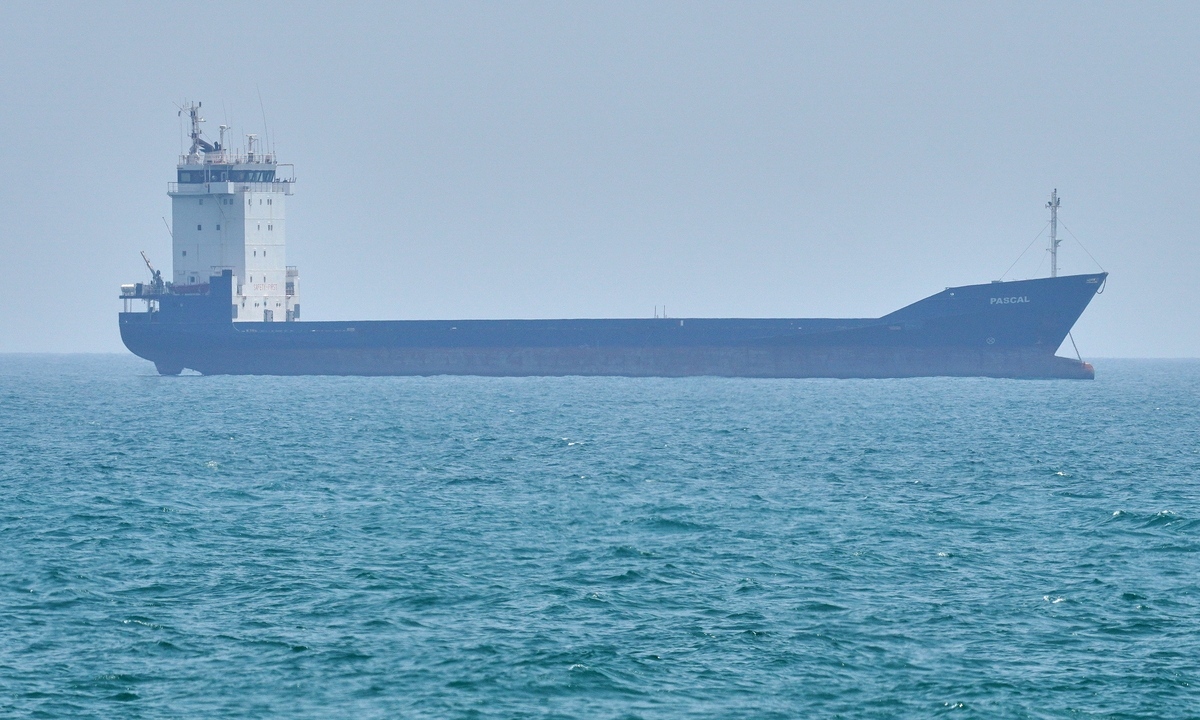
Oil tankers are simultaneously becoming targets of attack in both the Middle East and Europe, indicating a significant escalation in the use of economic weapons. This coordinated targeting suggests a strategic effort by various actors to disrupt global energy supply chains. The incidents highlight the increasing vulnerability of vital maritime infrastructure to geopolitical conflicts. As tensions rise, the use of economic warfare tactics, such as attacking commercial shipping, poses a substantial risk to international trade and energy security. The dual fronts of attack in different regions underscore the widespread nature of this emerging threat. This development could lead to increased shipping costs and potential fuel shortages if the trend continues. The international community is likely to face pressure to address these attacks and ensure the safety of commercial navigation. The use of oil tankers as leverage in conflicts represents a dangerous precedent for global economic stability.
The reported targeting of oil tankers in multiple regions simultaneously signifies a concerning evolution in economic warfare tactics. This strategy leverages critical infrastructure to exert pressure, potentially impacting global energy markets and trade routes. The dual-front attacks suggest a coordinated or parallel escalation by actors seeking to disrupt supply chains and influence geopolitical outcomes. Such actions highlight the systemic risks inherent in globalized commerce, where economic interdependence can be weaponized. Future considerations should include enhanced maritime security protocols and international frameworks to deter the use of commercial shipping as a tool of conflict, thereby safeguarding global economic stability against such asymmetric threats.
AI-generated to prompt reflection — not editorial opinion, not advice, not a statement of fact. How this works.