Okinawa's Henoko Base Project: Did 'Special Education' Blunt Risk Awareness?
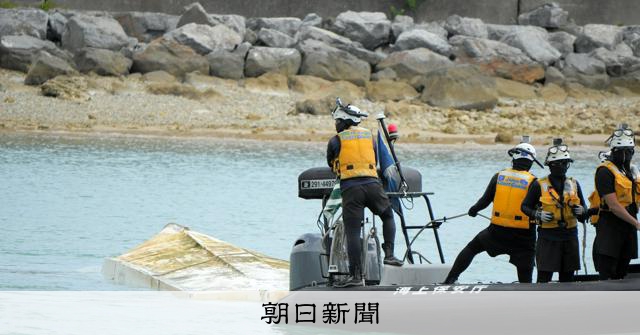
Concerns are being raised that the concept of 'special education' related to the Henoko base construction project in Okinawa may have dulled risk management awareness. Experts suggest this approach could have inadvertently fostered a sense of complacency regarding the potential dangers and challenges associated with the project. The phrase implies a unique or tailored approach to handling issues, which critics argue might have masked or downplayed inherent risks. This could have led to a less rigorous assessment of environmental impacts, safety protocols, and community concerns. The article explores the perspective that the framing of the project's management might have inadvertently created blind spots. It questions whether the focus on a 'special' approach prevented a more comprehensive and critical evaluation of all potential negative outcomes. The discussion highlights the importance of robust and transparent risk assessment processes, especially for large-scale infrastructure projects with significant environmental and social implications. The potential for such framing to obscure genuine risks is a critical point of examination.
The framing of risk management within large-scale projects, such as the Henoko base, can significantly influence public perception and operational diligence. Employing terms like 'special education' might inadvertently create an insular approach, potentially shielding decision-makers from external scrutiny and diverse risk perspectives. This could lead to a systemic bias where the perceived uniqueness of the situation discourages adherence to standardized, best-practice risk assessment protocols. In the long term, such approaches may hinder adaptive governance, making it more challenging to address unforeseen challenges in an era demanding robust environmental and social accountability. Future projects would benefit from transparent, universally applied risk evaluation frameworks that encourage proactive identification and mitigation of diverse threats.
AI-generated to prompt reflection — not editorial opinion, not advice, not a statement of fact. How this works.