Olímpia Celebrates 62nd National Folklore Festival, Honoring Founder Professor José Sant’anna
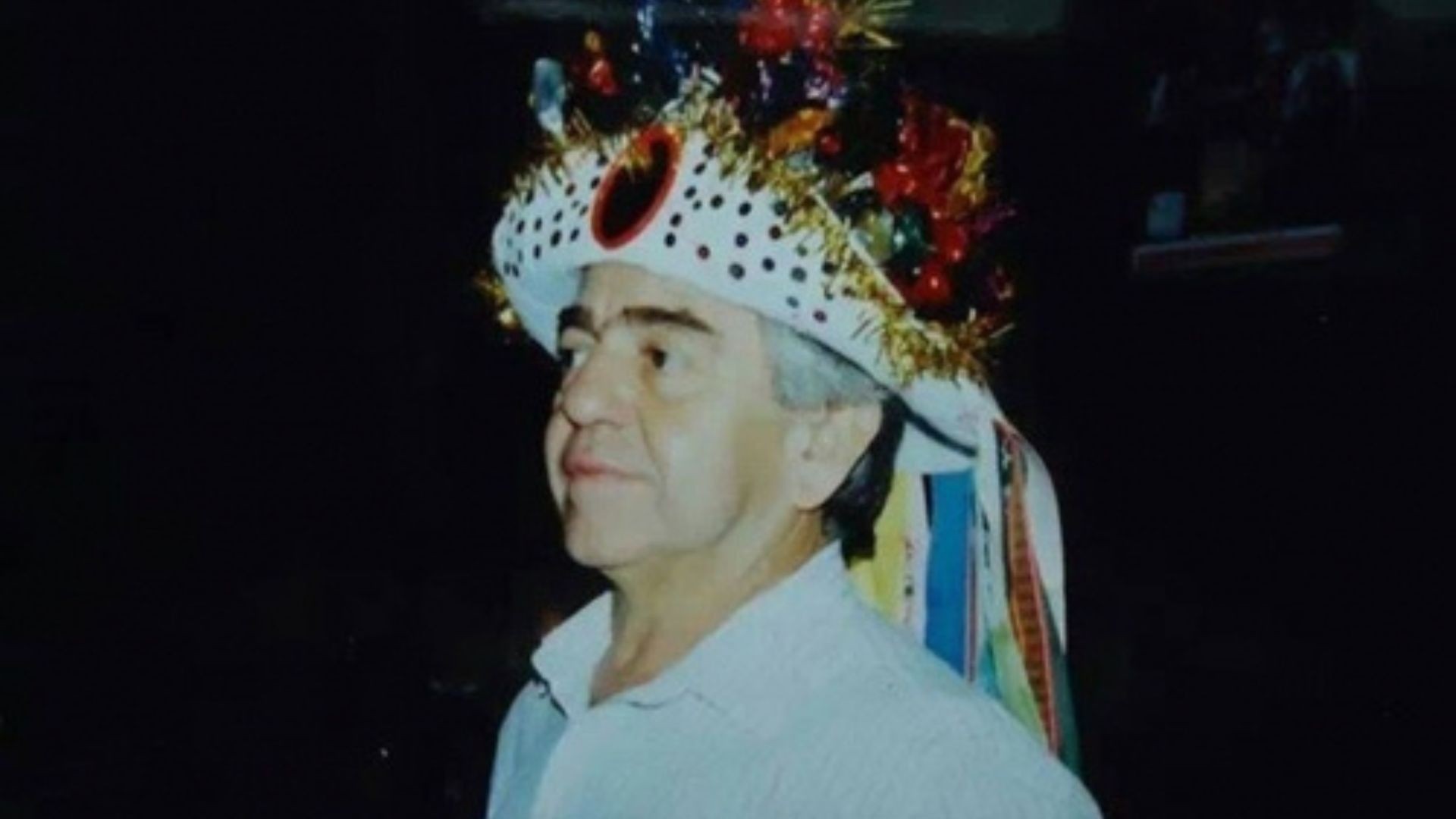
The city of Olímpia, located in the interior of São Paulo, is hosting the 62nd edition of its National Folklore Festival (Fefol), a significant cultural event that has transformed the city into Brazil's National Folklore Capital. This year's festival, which began on Saturday, August 1st, and runs until August 9th, is considered a living legacy of its founder, Professor José Sant’anna. Sant’anna, a Portuguese language teacher and folklore enthusiast, initiated the festival in 1965 with the aim of enriching his students' cultural education and engaging the community. His efforts evolved from classroom presentations to a large-scale event, drawing participants from across Brazil. The festival will feature over 70 groups and 2,800 artists, presenting more than 130 performances representing 21 states. The state of Rio de Janeiro is the honored guest for this edition. The festival takes place at the Recinto do Folclore, which is also named in Professor Sant’anna's honor. The event's origins are deeply tied to Sant’anna's passion, which inspired students and teachers to become central to its development, leading to the formation of enduring folk dance groups. His dedication extended to publishing books and directing the 'Anuário do Folclore,' documenting the festival's history. In 2017, Olímpia was officially recognized as the National Folklore Capital through Federal Law Nº 13.566, a testament to Sant’anna's enduring impact on the city's identity. The festival's arrival is now symbolically marked by the blooming of ipê trees, a natural phenomenon that Professor Sant’anna associated with the event's progression and peaceful conclusion.
The enduring success of the Fefol festival in Olímpia highlights the profound impact of dedicated educators in shaping community identity and cultural heritage. Professor José Sant’anna's initiative demonstrates how grassroots cultural preservation can evolve into a nationally recognized event, elevating a municipality's profile. The festival's growth and official designation as the National Folklore Capital underscore the economic and social benefits derived from investing in cultural tourism and local traditions. As Brazil navigates its future, such events serve as vital anchors to national identity, fostering inter-state connections and providing platforms for artistic expression. The challenge moving forward will be to ensure the festival's continued relevance and sustainability in an increasingly digital world, while preserving its authentic folkloric roots and inclusive spirit.
AI-generated to prompt reflection — not editorial opinion, not advice, not a statement of fact. How this works.