Olímpia Folklore Festival Kicks Off: A Guide to Brazil's National Folklore Capital
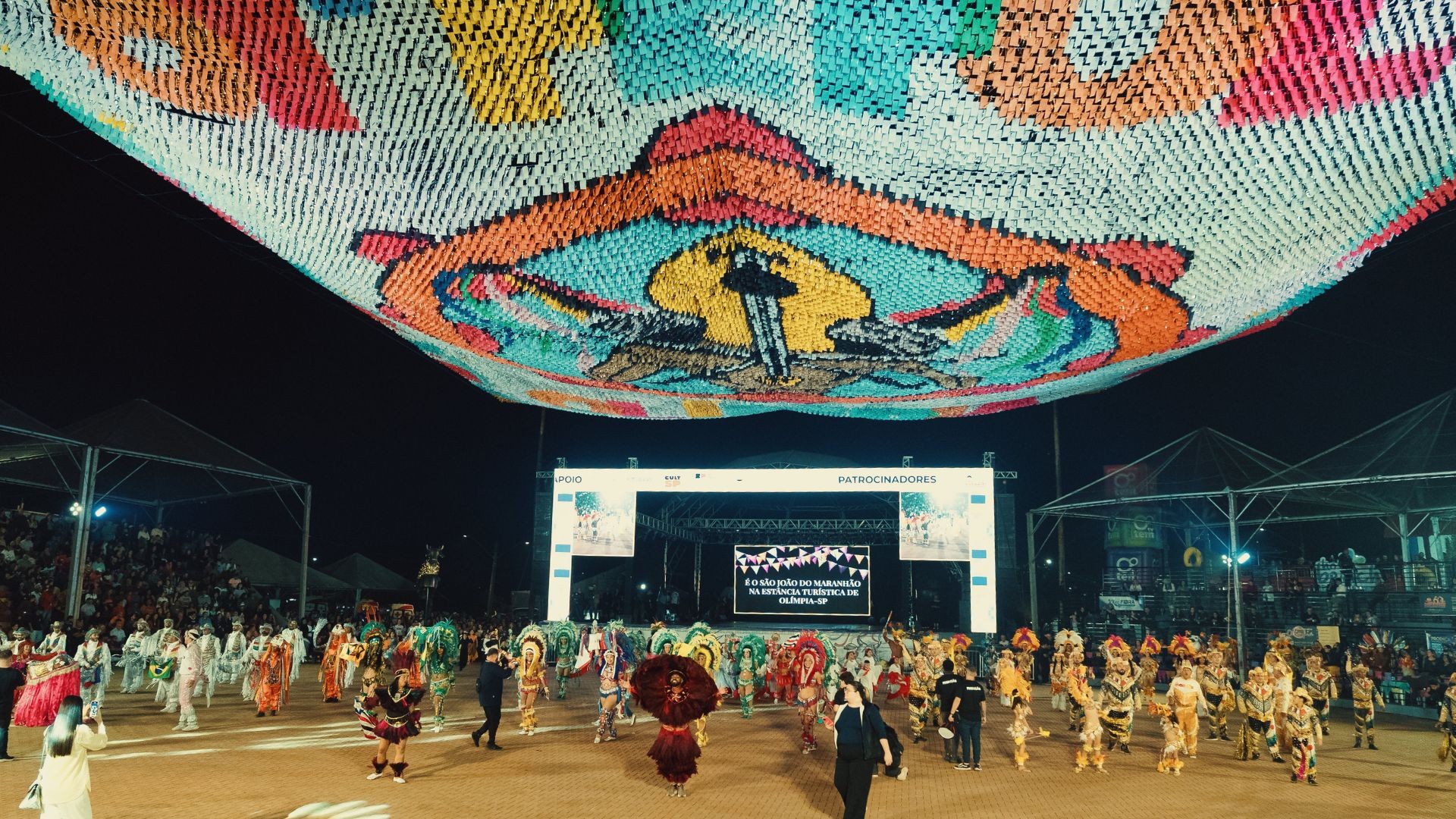
The city of Olímpia, São Paulo, recognized as Brazil's National Folklore Capital, is hosting the 62nd edition of its Folklore Festival (Fefol) from Saturday, August 1st, to Sunday, August 9th. This year's event is a vibrant showcase of Brazilian culture, featuring over 70 groups and approximately 2,800 artists presenting 130 performances from 21 different Brazilian states. The festival aims to rescue and preserve traditional cultural expressions from across the country, offering entirely free programming for residents and visitors. The event's origins trace back to the 1960s, evolving from classroom research by Professor José Sant'anna into a significant municipal celebration that officially earned Olímpia its title in 2017 through Federal Law Nº 13.566. This year, the state of Rio de Janeiro is the honored guest, sending its largest delegation of ten groups to perform traditional jongo, samba, folia de reis, maracatu, quadrilhas juninas, and afoxé. The festival's theme, "Aquele Abraço" (That Hug), reflects Rio de Janeiro's welcoming spirit and the festival's unifying essence. Beyond the main stage performances, over 50 daytime events will take place in schools, streets, and public spaces throughout Olímpia. The main venue is the "Professor José Sant'anna" Folklore Exhibition and Activities Square, a sprawling 96.8 thousand m² complex including parking, food courts, a folklore museum, an amusement park, and thematic pavilions. The opening night on August 1st will feature a performance by Neguinho da Beija-Flor, a prominent figure associated with Rio de Janeiro's samba tradition.
The Olímpia Folklore Festival serves as a significant cultural anchor, reinforcing the city's identity as Brazil's National Folklore Capital. By bringing together diverse regional traditions, the event actively combats cultural homogenization and promotes the preservation of intangible heritage. The free access model democratizes cultural participation, though it necessitates robust public and private funding structures to sustain such large-scale operations. The festival's longevity and growth highlight a successful model for cultural tourism and community engagement, potentially offering a blueprint for other regions seeking to leverage their unique cultural assets. Future considerations might include exploring digital archiving and online dissemination to extend the festival's reach beyond its physical duration and location, thereby further solidifying its role in national cultural preservation in an increasingly digital world.
AI-generated to prompt reflection — not editorial opinion, not advice, not a statement of fact. How this works.