Olímpia offers free public transport during nine-day Folklore Festival
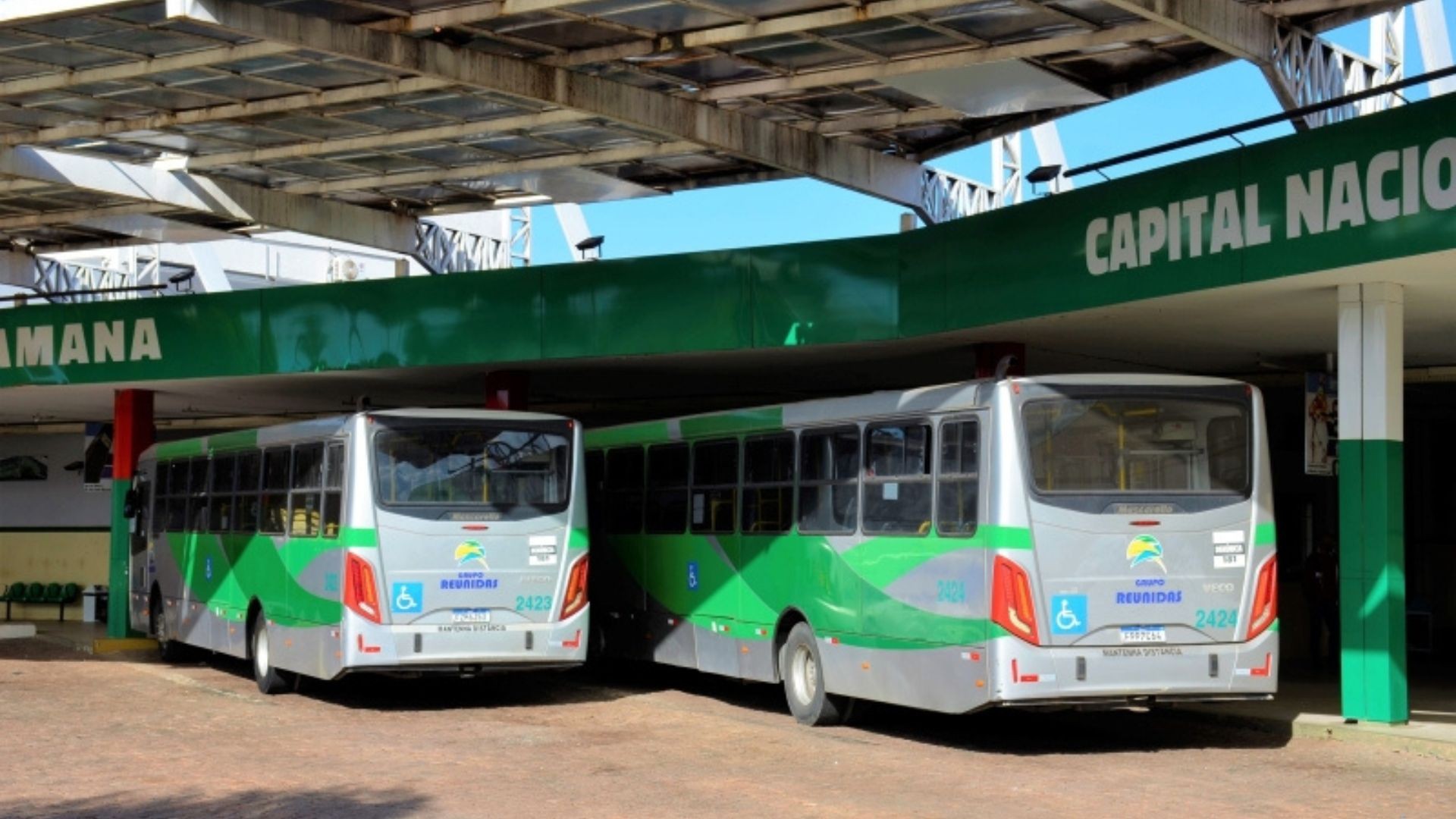
The municipality of Olímpia, in São Paulo state, Brazil, has declared free public transportation for nine days to facilitate access to its National Folklore Festival (Fefol). This initiative, formalized by Decree No. 10.130, began on Saturday, August 1st, and will continue until Sunday, August 9th. The free pass covers all urban bus lines within the city, including routes serving the districts of Ribeiro dos Santos and Baguaçu. During the festival, municipal buses will make mandatory stops at the "Professor José Sant'Anna" Folklore Precinct between 7:30 PM and 11:15 PM to better serve attendees and manage vehicle flow. The goal of this measure is to democratize access to the event and improve urban mobility around the festival grounds. The Festival of Folklore in Olímpia annually showcases folkloric and para-folkloric groups from across Brazil, aiming to preserve traditional cultural expressions. Beyond over 130 evening performances, approximately 50 daytime activities will be held in schools, streets, and public spaces. The event takes place at the "Professor José Sant'anna" Exhibition and Folklore Activities Square, a 96,800 m² venue featuring constructed areas for various amenities. The festival's opening on Saturday, August 1st, included a performance by samba artist Neguinho da Beija-Flor, honoring Rio de Janeiro as the featured state. Over 130 performances by groups from 21 Brazilian states are scheduled.
By providing free public transportation, the municipality of Olímpia aims to enhance accessibility and participation in its National Folklore Festival. This policy can be viewed as a public investment in cultural preservation and local economic stimulus, potentially increasing attendance and reducing the financial barrier for residents and tourists. Such initiatives highlight the interplay between municipal governance, cultural promotion, and urban planning, particularly in managing large public gatherings. Looking ahead, the sustainability and scalability of such transport subsidies for recurring events warrant consideration, alongside evaluating their impact on local businesses and the broader transportation network. The festival itself serves as a platform for cultural exchange and the reinforcement of regional identities within Brazil.
AI-generated to prompt reflection — not editorial opinion, not advice, not a statement of fact. How this works.