Old Greek ID Cards Expire for International Travel: Deadline Set for 2027
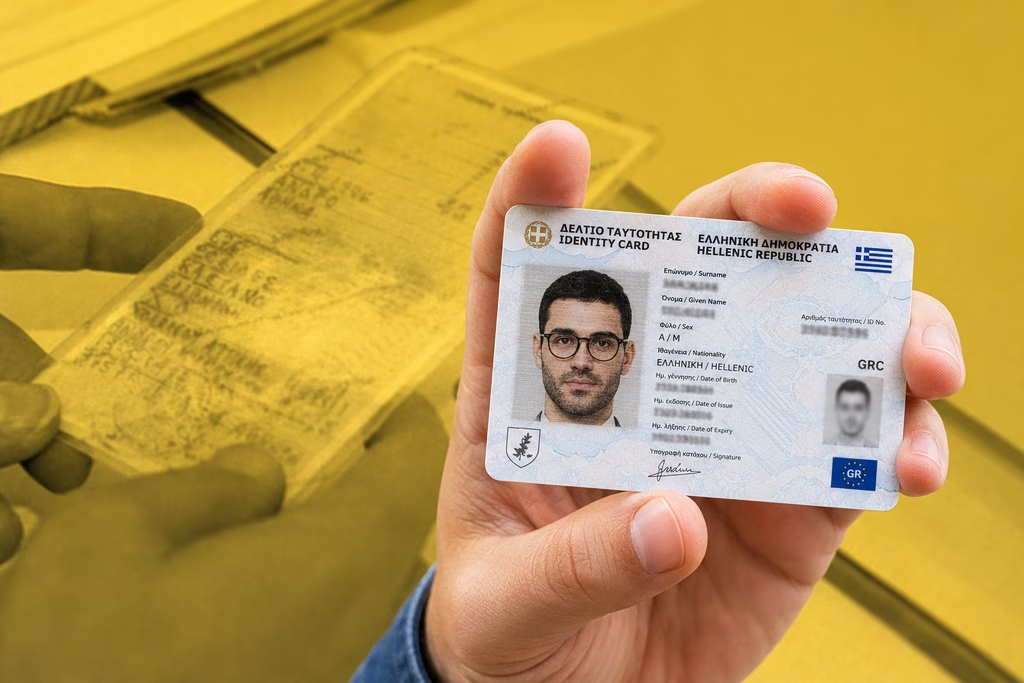
Greek Government Spokesperson Pavlos Marinakis has provided clarifications regarding the validity of old identity cards and the deadlines for their replacement. During the 15th briefing for citizens, Marinakis addressed inquiries about the process of issuing new IDs. He announced that citizens have until August 2, 2027, to obtain the new biometric identity cards. This deadline applies to all Greek citizens, regardless of whether they hold old-style IDs or newer ones that do not meet the European Union's specifications. The new biometric IDs will feature enhanced security measures and comply with EU standards for international travel. The Greek government is urging citizens to apply for the new IDs well in advance of the deadline to avoid potential issues with international travel. Information regarding the application process, required documents, and appointment scheduling is available through the relevant government portals. This transition aims to standardize identification documents across the EU and enhance security for all member states. The old identity cards will cease to be valid for international travel after the specified deadline.
The Greek government's mandate for replacing old identity cards with new biometric versions by August 2, 2027, aligns with broader European Union initiatives for enhanced security and standardization of travel documents. This policy aims to streamline international travel and combat identity fraud by implementing advanced security features. From a systems perspective, the transition necessitates significant administrative and public outreach efforts to ensure widespread compliance and minimize disruption for citizens. The deadline creates a clear incentive for individuals to update their identification, potentially driving demand for government services and related technologies. Looking ahead, the successful implementation of this policy could serve as a model for other member states facing similar identification modernization challenges, while also highlighting the ongoing tension between national sovereignty and supranational regulatory frameworks in the digital age.
AI-generated to prompt reflection — not editorial opinion, not advice, not a statement of fact. How this works.