Older Homes Lag Significantly in Energy Efficiency, New Research Reveals
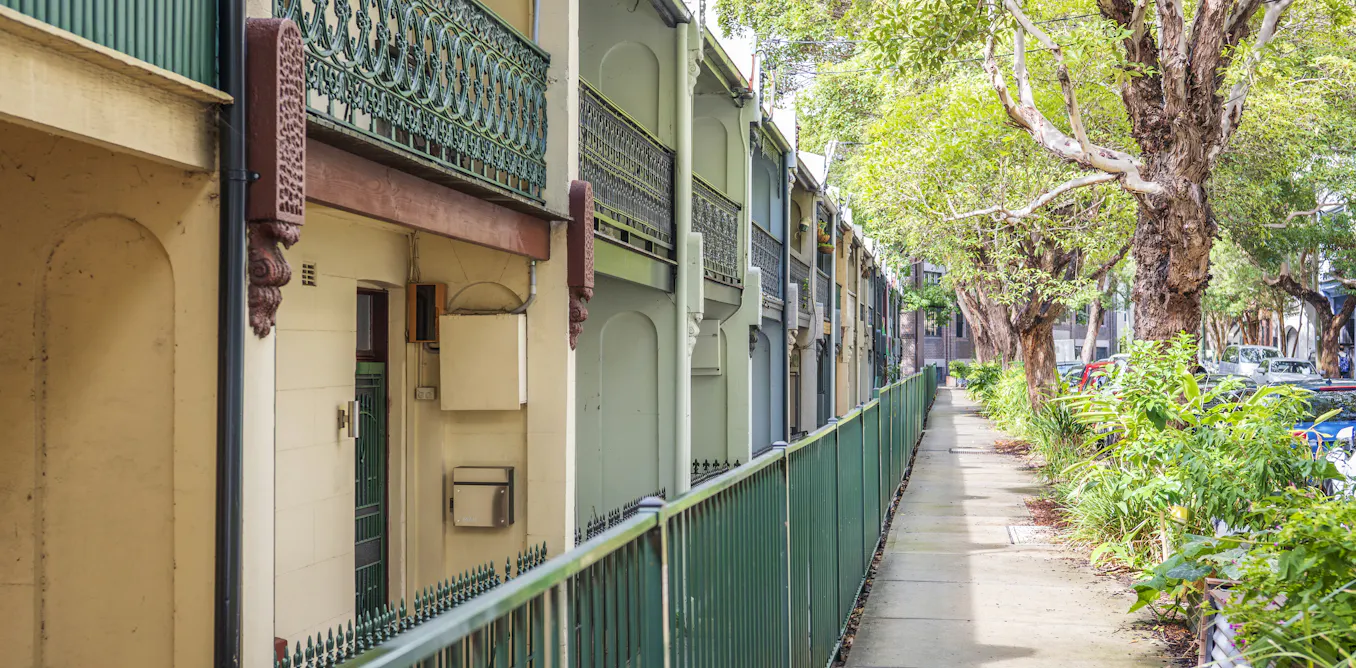
New research highlights a substantial energy performance gap between older and newer residential properties. The findings indicate that older homes are considerably colder, suggesting a significant deficit in their energy efficiency compared to more modern constructions. This disparity not only impacts comfort but also translates into considerable financial costs for occupants. The study underscores the challenges associated with maintaining adequate thermal performance in the existing housing stock. Addressing this gap is crucial for improving energy affordability and reducing environmental impact.
The disparity in energy efficiency between older and newer homes presents a clear market and policy challenge. Older housing stock, often built before modern insulation and energy-saving standards were implemented, represents a significant source of energy waste and contributes to higher utility costs for residents. This situation creates an incentive for retrofitting and renovation, but also highlights potential equity issues if the costs of upgrades are prohibitive for lower-income households. Future housing policy will need to balance the economic benefits of energy efficiency with the financial realities of homeowners and renters, potentially through targeted subsidies or regulatory incentives for energy-saving improvements in older properties.
AI-generated to prompt reflection — not editorial opinion, not advice, not a statement of fact. How this works.