OLED TVs: Still Worth the High Price in 2026?
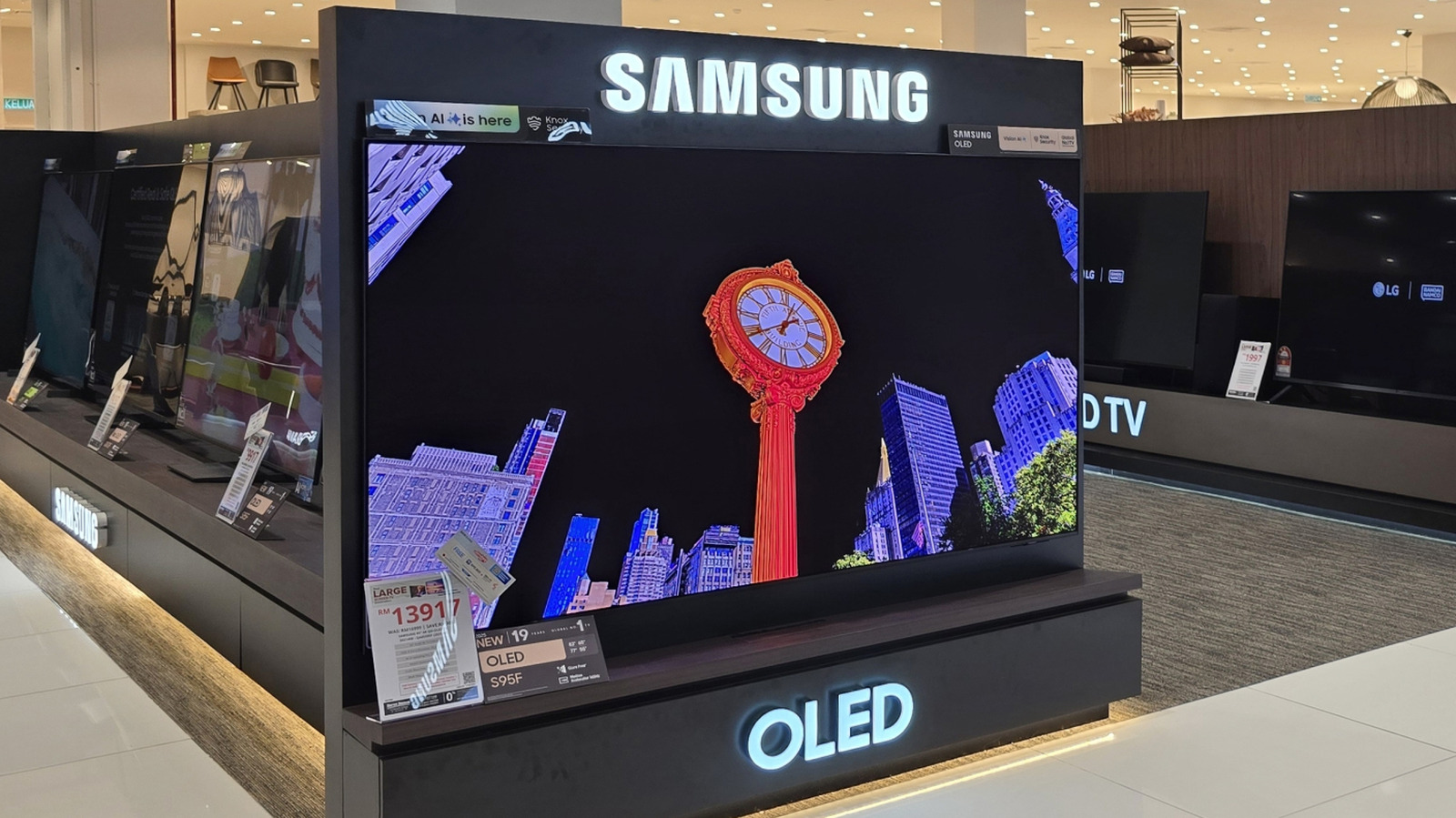
The question of whether OLED televisions remain a worthwhile premium purchase in 2026 is being debated, despite their generally superior display qualities. OLED technology is often considered the pinnacle of visual performance, offering unparalleled contrast and perfect blacks. However, in certain specific viewing conditions or scenarios, alternative display technologies may actually perform better or offer a more suitable experience. This suggests that while OLED excels in many areas, its dominance isn't absolute, and other display types can still hold their own. Consumers considering a high-end TV purchase in the near future may need to weigh the specific advantages of OLED against its cost and potential limitations in particular use cases. The evolving landscape of display technology means that the 'best' option can be highly dependent on individual needs and viewing habits.
The enduring premium associated with OLED technology prompts an examination of its value proposition against competing display standards. As manufacturing scales and alternative technologies advance, the cost-benefit analysis for consumers will continue to shift. Future market dynamics will likely hinge on the rate of OLED price reduction and the specific performance gains offered by emerging display innovations. Evaluating OLED's long-term relevance requires considering its energy efficiency, lifespan, and adaptability to evolving content formats and viewing environments, particularly within the context of increasing digital media consumption.
AI-generated to prompt reflection — not editorial opinion, not advice, not a statement of fact. How this works.