Oliver Case: Inquiry into 3-year-old boy's death extended by 10 days
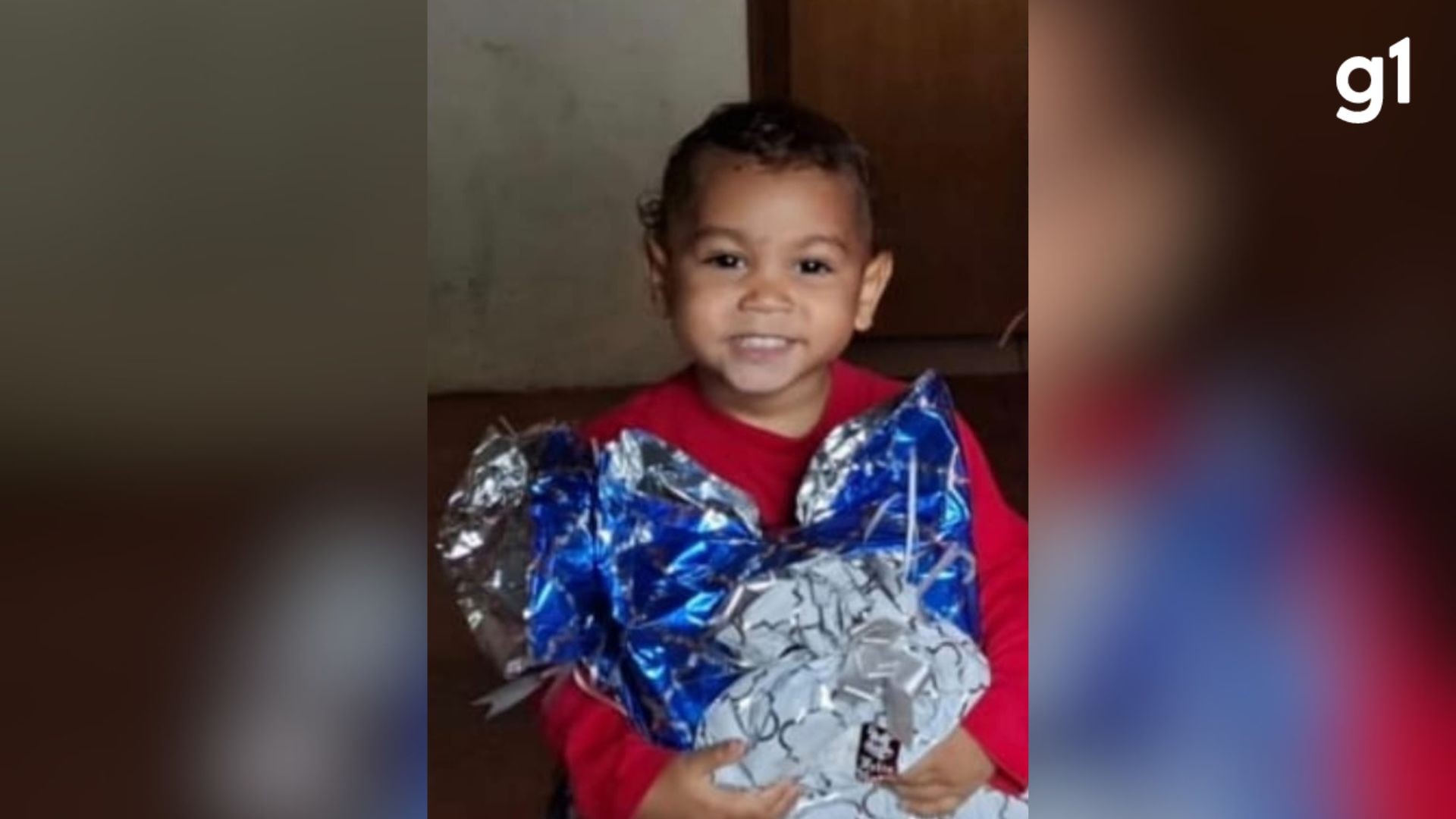
A judicial inquiry into the death of 3-year-old Oliver Golden Grayson, who was allegedly beaten by his father in Viamão, Rio Grande do Sul, has been extended by 10 days. The child's parents, D'Andre Grayson and Mayanna Angelina Rodgers, remain in preventive detention as investigations continue. The extension was requested by investigators and approved by the court on Monday, June 3rd. The case has seen a significant development with separate investigations now underway: one concerning Oliver's death, handled by the Jury Court, and another focusing on alleged domestic abuse suffered by his mother, Mayanna, managed by the Specialized Women's Care Police Station (Deam). Oliver died on July 8th after being assaulted at home; his father, D'Andre Grayson, a US missionary, reportedly confessed to hitting the boy for not saying "good morning." Police are examining whether Mayanna was complicit or negligent in the abuse. Her defense team plans to file for habeas corpus to overturn her preventive detention, emphasizing her role as a victim of years of domestic violence. The investigation also includes potential failures in Viamão's child protection network, which had been monitoring the family for eight months. Oliver's organs were donated, and his burial occurred two weeks after his death.
The extension of the inquiry into Oliver Grayson's death highlights the ongoing complexity of the investigation, particularly concerning the alleged domestic violence and potential systemic failures in child protection. Separating the investigations into the child's death and the mother's alleged abuse is a procedural step aimed at clarifying distinct legal responsibilities. The case raises critical questions about the effectiveness of protective services and the challenges in identifying and intervening in situations of domestic abuse, especially when perpetrators are involved in community or religious leadership roles. Future legal and social policy considerations may focus on enhancing inter-agency coordination and improving early detection mechanisms for child maltreatment within families.
AI-generated to prompt reflection — not editorial opinion, not advice, not a statement of fact. How this works.
