Olympic Marathoner Daniel Ferreira do Nascimento Found Alive After 44 Days Missing
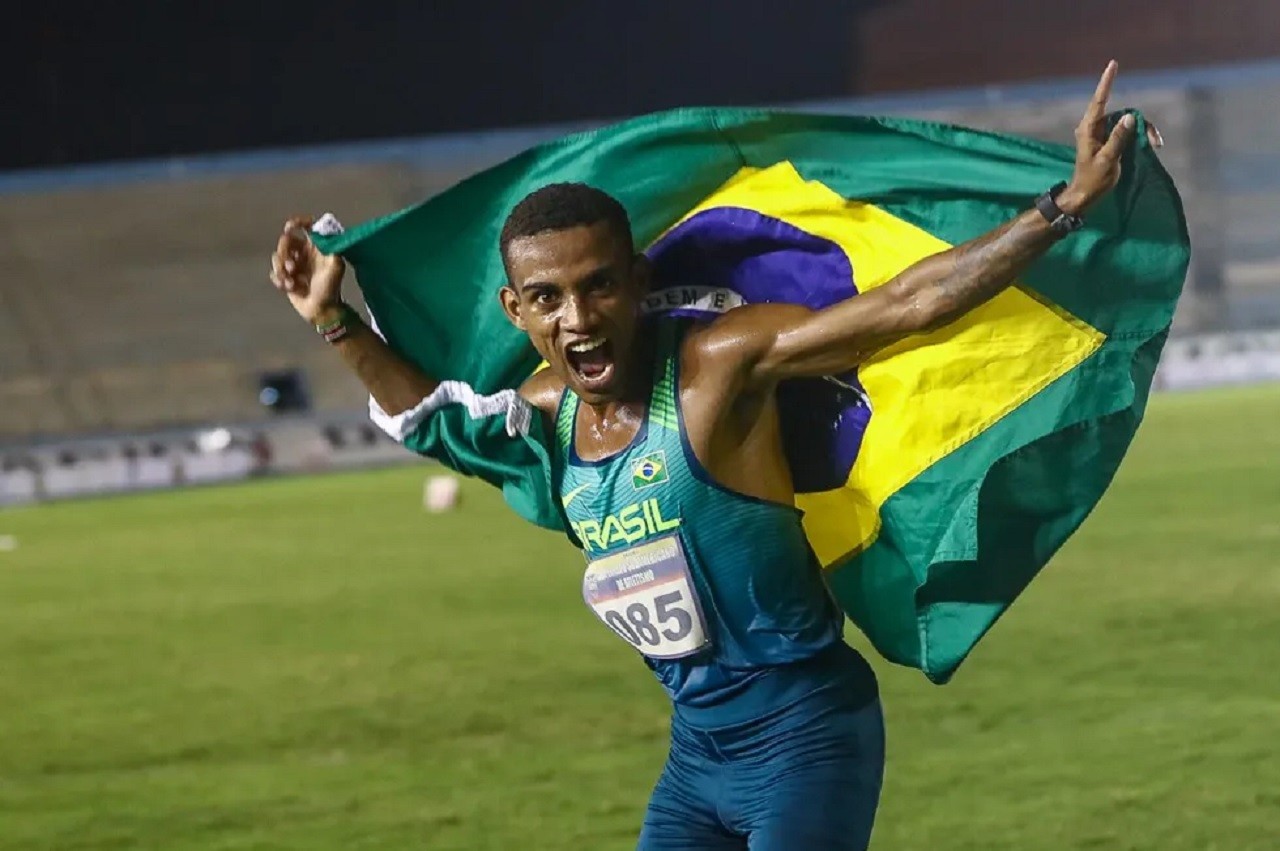
Former Olympic marathon runner Daniel Ferreira do Nascimento, 28, has been found alive in the East Zone of São Paulo after being missing for 44 days. He was last seen on June 19 in Paraguaçu Paulista, the city where he lived with his family since being suspended from athletics for doping in 2024. A pedestrian recognized Nascimento on Rua Dr. Ubaldino do Amaral in Belenzinho and alerted the Metropolitan Civil Guard, who verified his identity. The athlete appeared to be in good physical condition and was taken to the 30th Police District in Tatuapé, where his family reunited with him. His mother, Valdirene de Paula Ferreira, stated that Daniel left home with only a black backpack. Since his disappearance, the family had organized social media campaigns and appealed for information. In the week prior to his birthday on July 29, his mother expressed the family's anguish over the prolonged lack of news. She revealed that after stepping away from sports, Daniel began experiencing mental health issues and was under the family's care, accompanying her to work daily. Despite no longer competing, Nascimento reportedly missed his athletic routine, sometimes training in secret. Daniel Ferreira do Nascimento represented Brazil at the 2021 Tokyo Olympics and was a prominent Brazilian marathoner, holding the South American record for the event. His suspension for doping occurred in 2024, after which he returned to live with his family and began facing mental health challenges.
The reappearance of Daniel Ferreira do Nascimento after an extended period of absence, coinciding with his suspension from athletics due to doping and subsequent reported mental health struggles, highlights the complex interplay between elite sports, personal well-being, and public scrutiny. The narrative suggests that the pressure of competitive sport, coupled with the consequences of performance-enhancing drug violations, may have significantly impacted his mental health. This situation underscores the critical need for robust support systems within athletic organizations that extend beyond performance metrics to encompass mental health care and rehabilitation, particularly during periods of suspension or transition. Future frameworks should consider proactive mental health monitoring and accessible resources for athletes facing career disruptions, ensuring their long-term welfare is prioritized.
AI-generated to prompt reflection — not editorial opinion, not advice, not a statement of fact. How this works.