Olympic Marathoner Found After 44 Days, Reunited With Mother in São Paulo
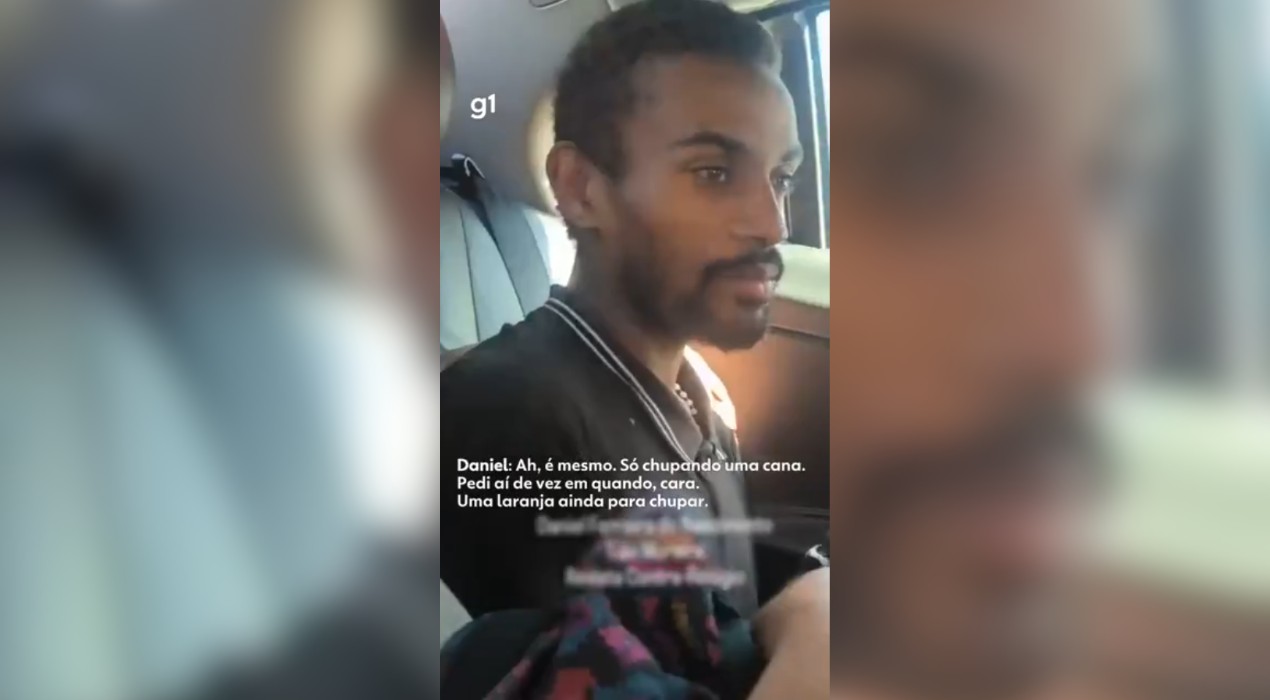
Olympic marathoner Daniel Ferreira do Nascimento, known as Danielzinho, has been found after being missing for 44 days. He was reunited with his mother, Valdirene de Paula Ferreira, on Saturday, September 1st, in São Paulo. Nascimento reported that he walked approximately 400-450 kilometers from Ourinhos to São Paulo, a journey that typically takes about four days. During his trek, he survived by carrying only a water bottle and occasionally asking for sugarcane and oranges. He described the walk as a way to process his emotions and utilize his energy, reminiscent of his marathon training. Upon arriving in São Paulo, Nascimento was living on the streets and collecting recyclable materials, sometimes seeking shelter in hostels. He was last seen on June 19th in Paraguaçu Paulista, his hometown. After being recognized by a pedestrian and identified by the Civil Guard, he was taken to a police station where his mother met him. Nascimento is currently in a clinic in São Paulo for psychological treatment, with plans for his mother to transfer him to an institution closer to their hometown. His disappearance and current situation follow a five-year suspension from athletics due to a doping violation in 2024, which led to depression. He had previously represented Brazil in the Tokyo 2021 Olympics and held the Brazilian and South American marathon records.
The narrative of Daniel Nascimento's 44-day journey and subsequent reappearance highlights the profound impact of mental health challenges, particularly depression, exacerbated by professional setbacks like doping suspensions. The immense physical and psychological toll of living on the streets and undertaking such a demanding trek underscores the critical need for robust support systems for athletes facing career-altering events. This situation prompts reflection on how sports organizations and governing bodies can better address the mental well-being of their athletes, moving beyond punitive measures to provide comprehensive care and rehabilitation pathways. The long-term implications of such experiences on an individual's life and career warrant a systemic approach to athlete welfare, ensuring that support extends beyond performance and into personal resilience and recovery.
AI-generated to prompt reflection — not editorial opinion, not advice, not a statement of fact. How this works.
