Oman Proposes Joint Management of Strait of Hormuz to Iran
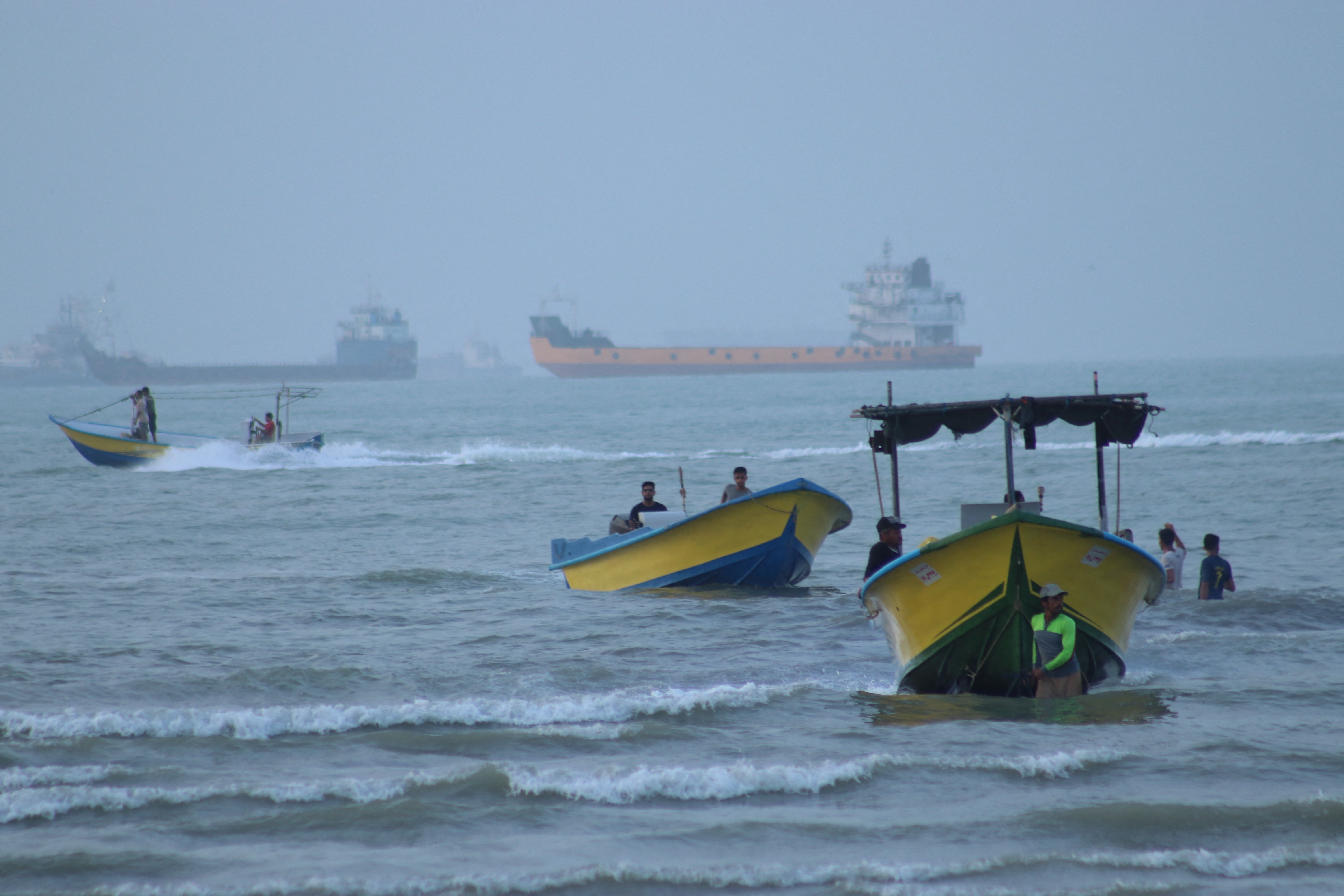
Oman has presented a proposal to Iran for a joint regional mechanism to manage the Strait of Hormuz, a vital global shipping route for oil and goods. This initiative, supported by regional nations, draws inspiration from the successful management model of the Strait of Malacca. The Omani plan suggests that countries and companies utilizing the Strait of Hormuz would make voluntary contributions to fund navigation safety, environmental protection, and search and rescue operations. Crucially, the proposal emphasizes shared management, ensuring Iran would not hold exclusive control over the strategic waterway. This proposal emerges amidst heightened regional tensions, with the Strait of Hormuz having been a focal point for confrontations between Iran and the United States in recent months. The route is critical for global energy markets, handling a significant portion of Middle Eastern oil exports. In parallel, Iran's Foreign Minister, Abbas Araqchi, has engaged in separate discussions with his counterparts from Saudi Arabia and Oman regarding the security of the Strait. These conversations, according to an Iranian government statement, focused on recent regional developments and the need for increased diplomatic cooperation to ensure regional stability. These discussions occur as concerns about the security of Middle Eastern shipping routes intensify, following recent incidents including Iran's threats against Ukraine over an attack on an Iranian commercial vessel and reports of drone and military operations in the region.
The Omani proposal for joint management of the Strait of Hormuz, funded by voluntary contributions for security and environmental efforts, represents a pragmatic approach to de-escalating regional tensions. By referencing the Strait of Malacca model, it offers a precedent for shared governance that could mitigate unilateral actions and enhance collective security. This initiative seeks to transform a potential flashpoint into a zone of shared responsibility, aligning economic interests with navigational safety. The proposal's success hinges on its ability to navigate complex geopolitical dynamics, particularly the adversarial relationship between Iran and the United States, and to foster trust among regional actors. In the long term, such collaborative frameworks are essential for ensuring the stable flow of global commerce and energy, particularly in an era increasingly defined by interconnected supply chains and the potential for asymmetric threats to maritime security.
AI-generated to prompt reflection — not editorial opinion, not advice, not a statement of fact. How this works.