Oman Proposes Joint Strait of Hormuz Management Plan to Iran
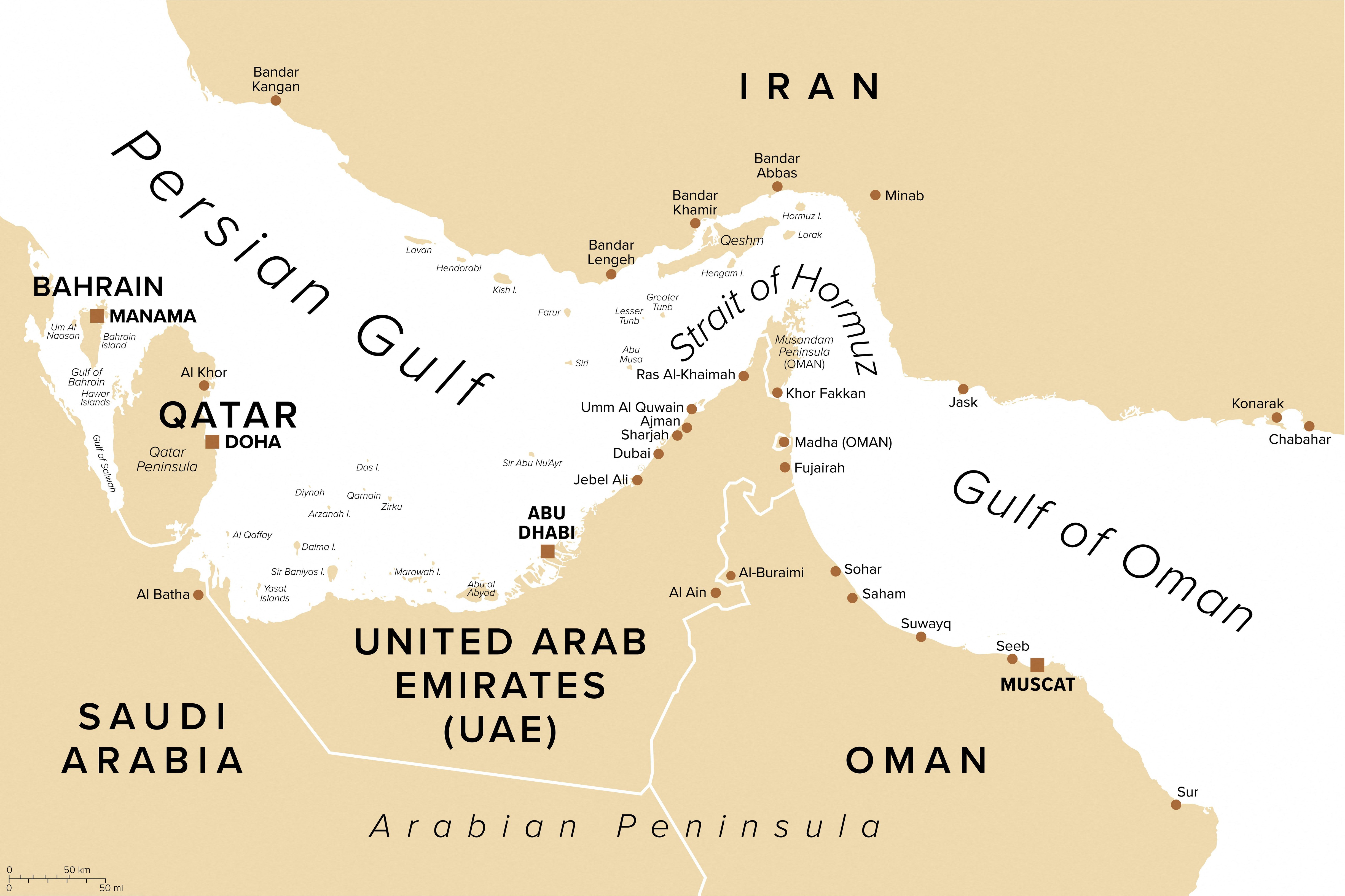
Oman has put forward a proposal to Iran for a joint regional mechanism to manage the Strait of Hormuz. This initiative includes a system of voluntary fees. The details were shared with Reuters by a Gulf source on Tuesday. The proposed model, referred to as the 'Malacca Model,' aims to foster cooperation in a critical global shipping lane. The Strait of Hormuz is a vital chokepoint for oil transportation, making its security and smooth passage a matter of international concern. Oman's plan suggests a collaborative approach to governance and navigation within the strait. The voluntary fee structure is intended to encourage participation and ensure sustainable management of the waterway. This diplomatic effort highlights Oman's role as a mediator in regional security issues. The proposal is currently under consideration by Iran.
Oman's proposal to Iran for joint management of the Strait of Hormuz, incorporating voluntary fees, presents an interesting case study in regional security architecture. The 'Malacca Model' reference suggests an attempt to draw parallels with successful maritime chokepoint management, potentially aiming to de-escalate tensions and ensure economic stability. From a governance perspective, the success of such a voluntary mechanism would hinge on trust-building and equitable benefit-sharing among participating nations. The voluntary nature of the fees introduces an element of market dynamics and incentivization, but also potential challenges in securing consistent funding and enforcement. Looking ahead, the long-term viability of this model will depend on its ability to adapt to evolving geopolitical landscapes and technological advancements in maritime surveillance and security, while navigating the complex interplay of national interests and international trade imperatives.
AI-generated to prompt reflection — not editorial opinion, not advice, not a statement of fact. How this works.