Once Near Extinction, Storks Now Thrive in the Netherlands
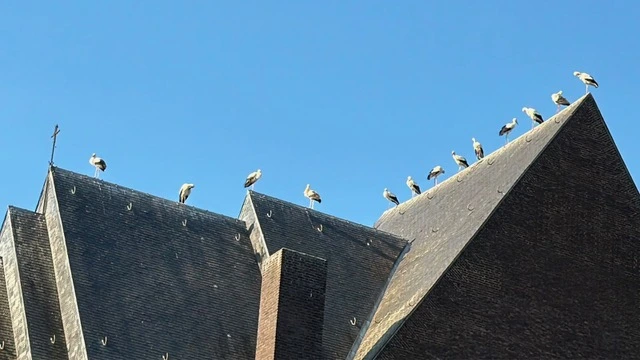
The stork population in the Netherlands is experiencing a significant resurgence, with approximately 2,000 breeding pairs recorded last year, a stark contrast to the mere sixteen pairs in the early 1980s. This recovery is a remarkable turnaround from the 1960s when the species was nearly extinct in the country. The primary cause for this near-disappearance was the widespread use of DDT, a persistent agricultural pesticide that devastated insect populations and had severe ecological consequences. DDT was banned in the Netherlands in 1973 and is now prohibited across Europe.
Conservation efforts, initiated by organizations like Vogelbescherming in the late 1960s, played a crucial role. These efforts included breeding and reintroducing storks, a program that proved highly successful throughout the 1970s, 80s, and 90s. This successful breeding program led to the stork's removal from the Red List in 2004. Beyond conservation initiatives, Wim van Nee of Stichting Ooievaars Research & Knowhow (STORK) notes the stork's adaptable nature, describing it as an "opportunistic bird" capable of switching food sources when necessary. This adaptability, coupled with a global population increase of about 20 percent over the last decade, contributes to their current robust numbers. While some express concerns about storks potentially displacing other species due to their varied diet, Van Nee emphasizes that this is a natural process. STORK now advises against the placement of artificial nests, as they are no longer deemed necessary for the species' survival.
The remarkable recovery of the Dutch stork population from near extinction to thriving numbers highlights the effectiveness of targeted conservation programs and the resilience of species when environmental pressures are alleviated. The historical impact of DDT serves as a potent reminder of the long-term, unintended consequences of widespread pesticide use on ecosystems, underscoring the need for rigorous environmental impact assessments. The stork's adaptability, characterized as 'opportunistic,' suggests that ecological flexibility is a key factor in species survival amidst changing environmental conditions, including human population growth. As the species continues to flourish, ongoing monitoring will be essential to manage potential inter-species dynamics and ensure the long-term health of the Dutch ecosystem, balancing conservation successes with broader ecological considerations.
AI-generated to prompt reflection — not editorial opinion, not advice, not a statement of fact. How this works.
