One in Four German Parliamentarians Report Migration Background
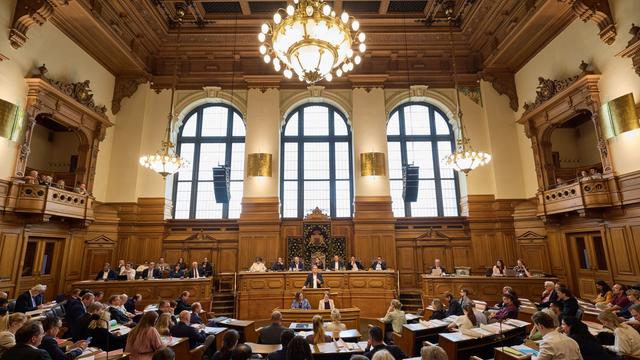
A recent report indicates that approximately one-quarter of members in the German parliament, the Bundestag, have a migration background. This demographic detail highlights the evolving representation within the country's legislative body. The data suggests a growing diversity among elected officials, reflecting broader societal changes in Germany. Further analysis of this trend could provide insights into the integration of various communities into the political landscape. The specific percentage, while significant, underscores the ongoing discussion about representation and inclusion in German politics. This information is crucial for understanding the composition of the parliament and its potential impact on policy-making. The report does not specify the exact number of parliamentarians with a migration background, but the "every fourth" statistic is a key takeaway. This demographic shift is a notable development in the context of German political representation.
The reported increase in parliamentarians with migration backgrounds signifies a potential shift towards more representative governance in Germany. This demographic evolution may influence legislative priorities and policy debates, potentially bringing a wider range of perspectives to national decision-making. Examining the correlation between diverse representation and policy outcomes will be crucial in understanding the long-term impact on German society and its integration policies. The trend warrants further study to assess how this increased diversity translates into legislative action and societal cohesion over the next decade, particularly in the context of evolving global migration patterns and technological advancements impacting civic engagement.
AI-generated to prompt reflection — not editorial opinion, not advice, not a statement of fact. How this works.