One Quarter of Dutch Municipalities Plan to Ban New Year's Fireworks
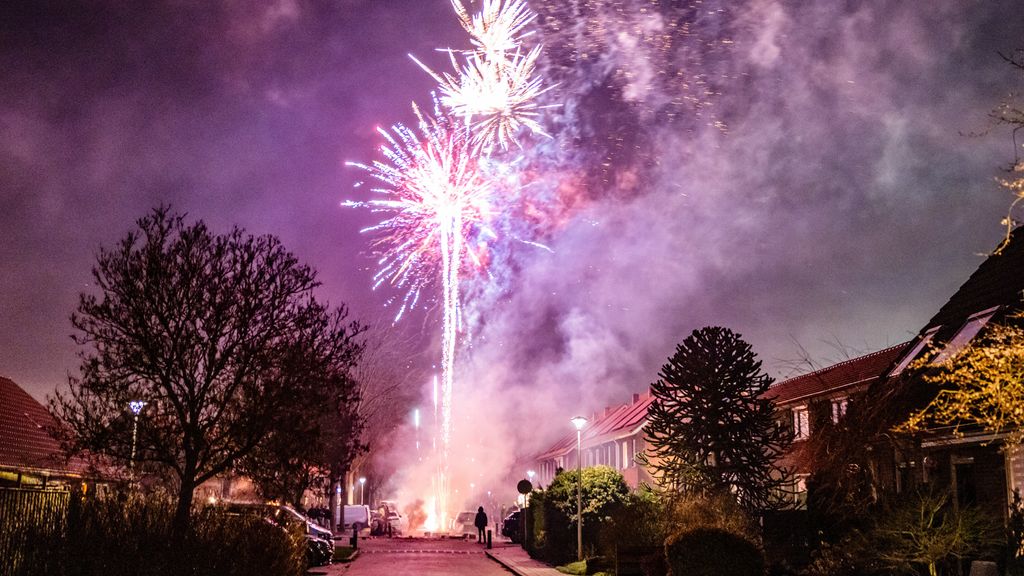
A recent survey by the Dutch newspaper AD indicates that at least a quarter of municipalities in the Netherlands intend to prohibit all fireworks during the upcoming New Year's Eve celebrations. While consumer fireworks are already banned for the next New Year's Eve, organizations and neighborhood associations could still obtain permits under the Safe New Year's Eve Act. However, many municipalities are reluctant to grant these permits.
The AD contacted over 300 municipalities, receiving approximately 200 responses. At least 99 of these municipalities confirmed they will not permit any fireworks. Their stated reasons include insufficient time to process applications and a shortage of enforcement personnel during the New Year's Eve period, a concern previously voiced by mayors of major cities earlier this year. Among the 91 municipalities that have decided against allowing fireworks, many are smaller communities.
Furthermore, at least 42 municipalities plan to review exemption requests, though some have indicated a cautious approach. For instance, the municipality of Leeuwarden intends to grant only one exemption per village or town. When asked about existing applications, nearly all of the roughly fifty municipalities surveyed reported receiving none.
The survey highlights a significant divergence in municipal approaches to New Year's Eve fireworks, moving beyond the national consumer ban. The stated reasons for prohibition—limited time for application review and insufficient enforcement capacity—suggest potential systemic under-resourcing within local governance, particularly concerning public safety events. This situation presents a challenge for the legislative intent of the Safe New Year's Eve Act, which aimed to allow controlled community displays. The low number of applications received indicates either a lack of awareness or a perceived futility in applying, potentially influenced by the stated municipal reluctance. Looking ahead, this trend could reflect a broader societal shift towards prioritizing public safety and environmental concerns over traditional pyrotechnic displays, prompting a re-evaluation of how public celebrations are managed and resourced in the face of evolving public expectations and operational constraints.
AI-generated to prompt reflection — not editorial opinion, not advice, not a statement of fact. How this works.