One-Third of Greater São Paulo Cities See Rise in Severe Respiratory Illnesses Despite Regional Drop
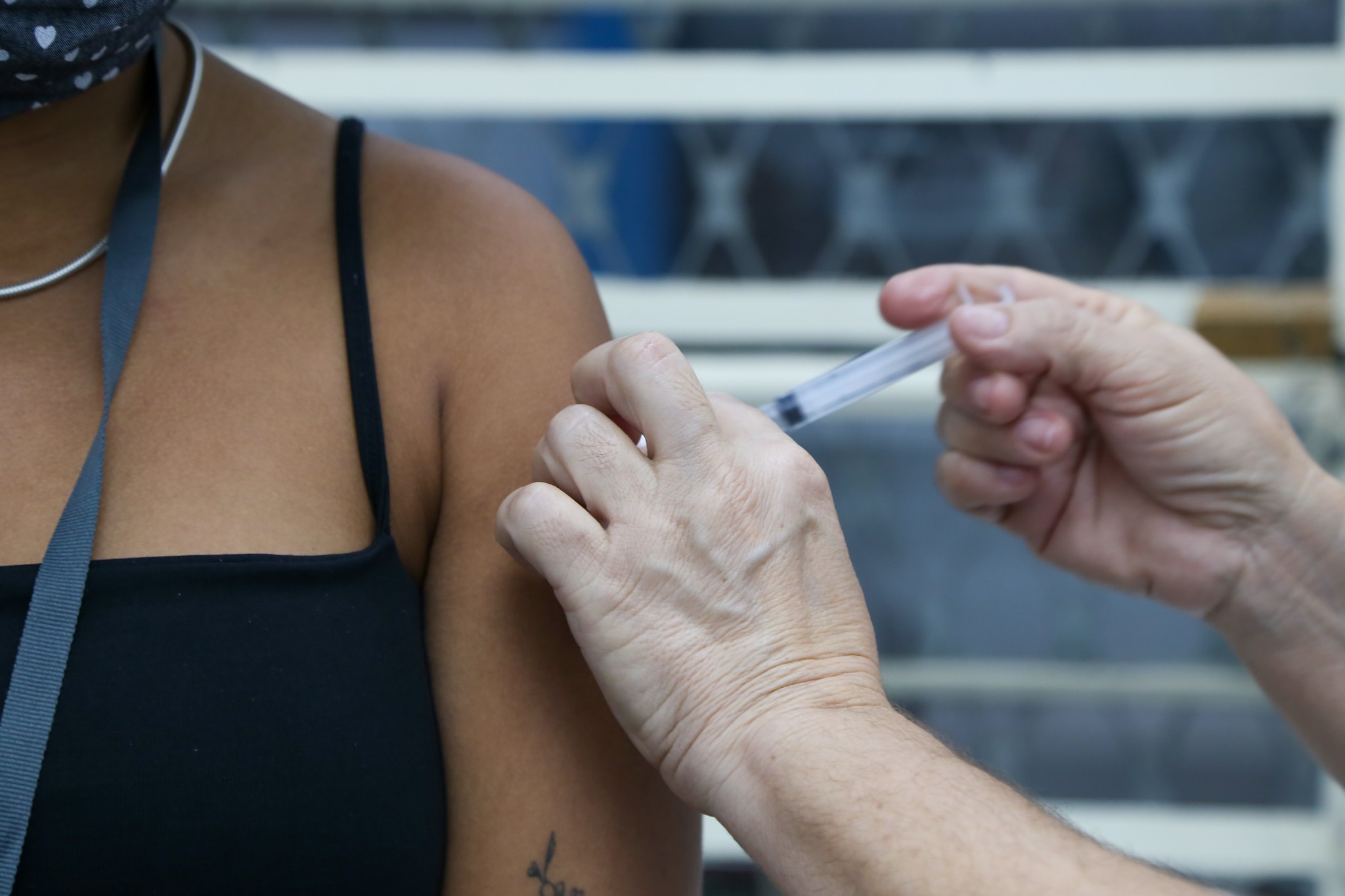
Despite a 28% decrease in Severe Acute Respiratory Illness (SARI) cases and a 68% drop in deaths across the São Paulo Metropolitan Region (RMSP) in 2026, one-third of its municipalities experienced an increase in SARI occurrences. The region recorded 11,406 SARI cases in 2026, down from 15,762 the previous year, with fatalities falling from 1,625 to 520. Of the 39 municipalities in the RMSP, 13 saw a rise in SARI registrations, which encompass severe respiratory conditions caused by viruses like influenza, COVID-19, and respiratory syncytial virus (RSV).
The most significant proportional increases were observed in Francisco Morato (+79%) and Franco da Rocha (+74%), both in the northern part of Greater São Paulo. Poá, to the east, reported a 5% increase. Notably, ten of the thirteen municipalities with rising SARI rates are concentrated in the western portion of the metropolitan area, including Carapicuíba (+56%), Barueri (+41%), and Vargem Grande Paulista (+38%), among others.
Tatiana Lang D'Agostini, director of the State Health Surveillance Center, stated that no single factor explains this localized increase, suggesting it could be multifactorial, involving population density, specific virus circulation, colder temperatures, and vaccination coverage. She emphasized that lower vaccination rates can lead to more susceptible individuals and severe cases. Winter conditions, which encourage indoor gatherings, also contribute to virus spread. The State Health Secretariat reiterates that vaccination remains the primary defense against severe illness and death, noting that influenza vaccination coverage in the affected western municipalities averages only 43%, with some like Jandira and Juquitiba reaching just one-third of their populations.
While the overall trend in Severe Acute Respiratory Illness (SARI) cases in the São Paulo Metropolitan Region shows a significant decline, the localized increases in specific municipalities warrant careful examination. The multifactorial explanation, citing population density, virus circulation, weather, and vaccination rates, highlights the complex interplay of public health challenges. Focusing on the western municipalities with lower vaccination coverage, particularly for influenza, suggests a potential vulnerability in these areas. Future public health strategies might consider targeted interventions to boost vaccine uptake and enhance surveillance in these identified hotspots, addressing potential disparities in access or public health messaging. Understanding the granular data behind these localized increases is crucial for preemptive action against future outbreaks, especially as climate and demographic shifts continue to influence disease patterns.
AI-generated to prompt reflection — not editorial opinion, not advice, not a statement of fact. How this works.