One Week After Kumamoto Earthquake: Single Women and Families Face Anxiety in Uki City Shelters
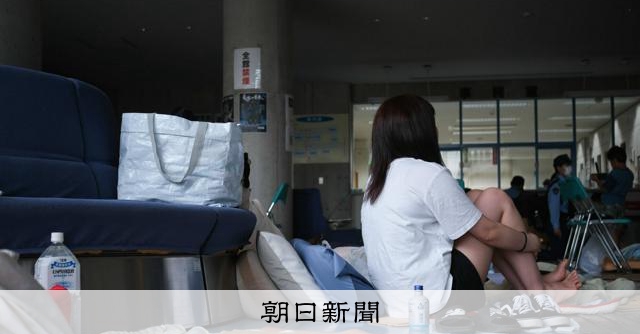
One week after the Kumamoto earthquake, residents in shelters in Uki City, Kumamoto Prefecture, are grappling with ongoing concerns. The focus is particularly on single women and families with young children, who are experiencing unique anxieties and difficulties. These vulnerable groups are facing challenges related to safety, privacy, and the provision of adequate resources within the temporary shelters. The earthquake, which struck on April 14, 2016, has displaced thousands, and the long-term implications for these individuals are becoming increasingly apparent. The situation highlights the need for tailored support systems to address the diverse needs of earthquake survivors. As recovery efforts continue, the psychological and practical burdens on these specific demographics remain a significant concern for local authorities and aid organizations.
The aftermath of the Kumamoto earthquake underscores the critical importance of gender- and age-sensitive disaster response planning. While general relief efforts aim to address immediate survival needs, the distinct vulnerabilities of single women and families with children require specialized attention to ensure their safety, dignity, and psychological well-being. Future disaster preparedness frameworks should integrate provisions for privacy, dedicated family spaces, and targeted support services to mitigate the unique stresses faced by these demographics in prolonged displacement scenarios. This approach can foster more resilient communities by proactively addressing the systemic inequities that can be exacerbated during crises.
AI-generated to prompt reflection — not editorial opinion, not advice, not a statement of fact. How this works.
