One Year After School Cell Phone Ban, Directors Report Less Anxiety, More Sociability Among Students
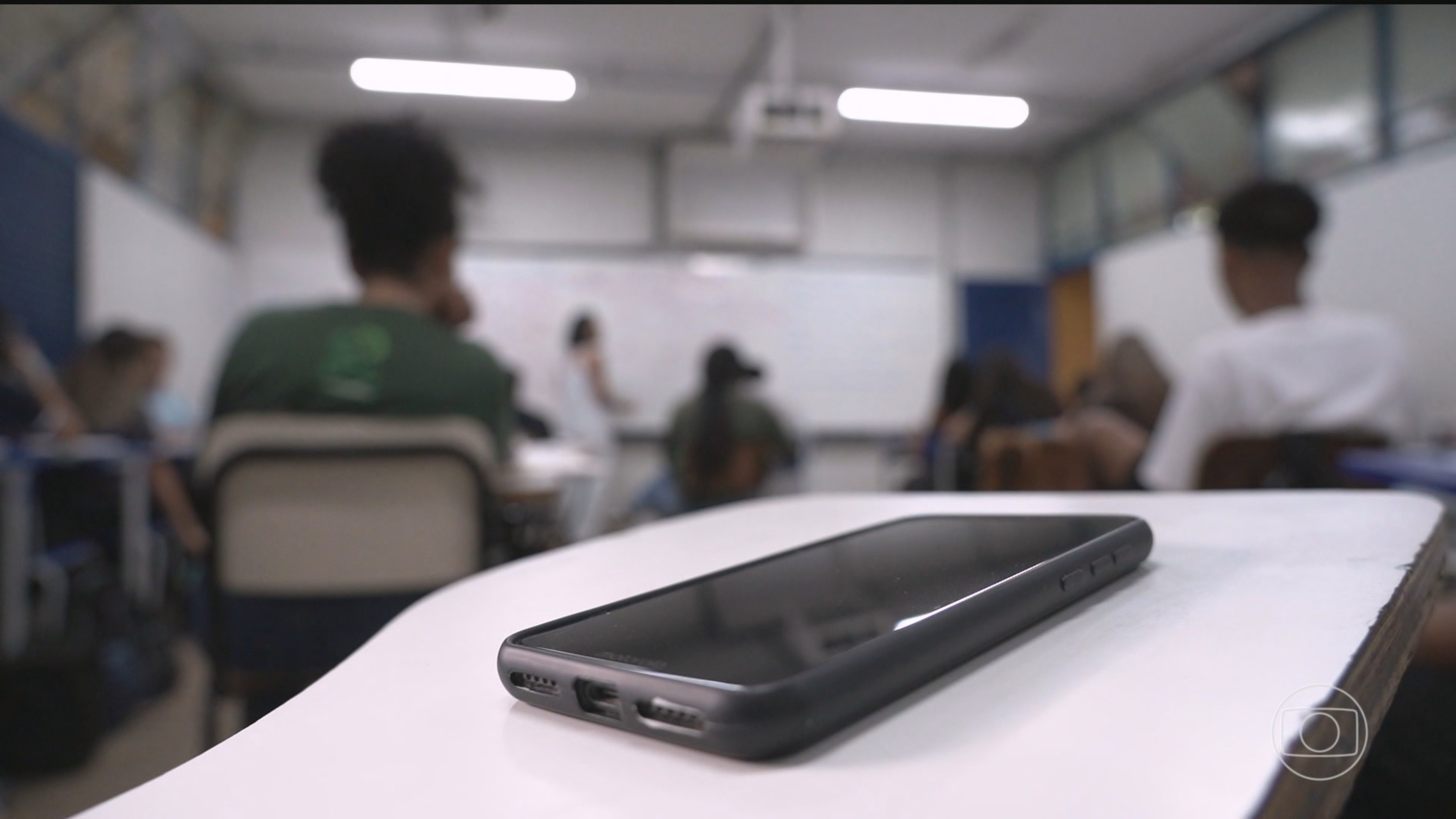
A year after a law restricting cell phone use in schools took effect, school directors are reporting positive outcomes, including reduced student anxiety and increased sociability. The restriction, now implemented in 90% of schools according to a Ministry of Education survey of over 8,000 principals, has shifted the focus from digital isolation to in-person interaction. Students like Isabela Braga noted they now spend more time conversing with friends during breaks. Directors also linked the ban to a decrease in cyberbullying and other digital conflicts, as well as fewer conflicts within the school itself. Furthermore, 95% of directors believe the restriction has improved student concentration, with students spending less time on screens and more attention on lessons. However, challenges persist, with 39% of directors indicating ongoing student resistance to the rules. Many schools lack adequate infrastructure for storing confiscated devices, and a third of principals find it difficult to monitor cell phone usage during class and breaks. Director Gabriel Rodrigues emphasized the need for ongoing pedagogical work to balance the importance of technology with the value of real-world interactions and peer coexistence. The survey highlights that while the law is yielding benefits, adaptation is still in progress.
The implementation of cell phone restrictions in schools represents a societal response to concerns about digital overconsumption and its impact on adolescent development. The reported improvements in student anxiety, sociability, and concentration suggest a potential benefit from reduced screen time during school hours. However, the ongoing student resistance and infrastructural challenges highlight the complexity of balancing technological integration with educational goals. Future policy considerations might involve exploring strategies for responsible technology use within schools, rather than outright bans, to foster digital literacy while mitigating negative social and cognitive effects. This approach could prepare students for a future where digital fluency is essential, while still prioritizing in-person interaction and focused learning.
AI-generated to prompt reflection — not editorial opinion, not advice, not a statement of fact. How this works.