One Year After Trump's Letter and Tariffs: A Look Back at US-Brazil Trade Disputes
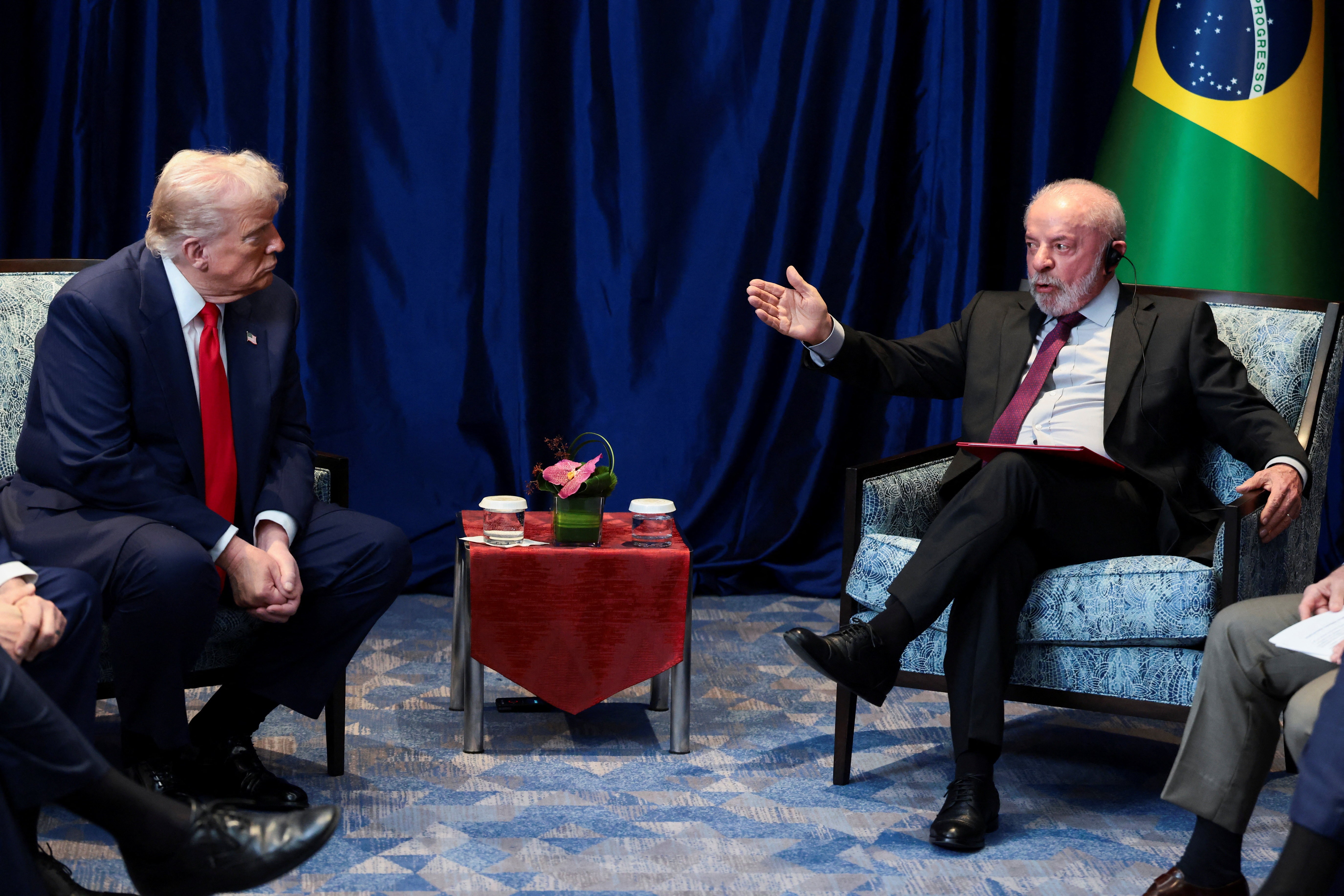
On July 9, 2025, then-U.S. President Donald Trump sent a letter to Brazilian President Luiz Inácio Lula da Silva announcing a 50% tariff on Brazilian products exported to the American market. This marked a significant escalation in trade tensions between the two nations. A year later, the Brazilian government is working to prevent new tariffs from taking effect, with some previously imposed tariffs having been reviewed, others maintained, and new ones announced by the U.S. administration. The dispute intensified with Trump's July 9, 2025, letter, which cited political and commercial justifications, including the Brazilian Supreme Court's handling of former President Jair Bolsonaro's case, its actions regarding digital platforms, and claims of an unfavorable trade balance for the U.S. Economists and industry representatives warned of risks to Brazilian exports and jobs. Trump stated the U.S.-Brazil trade relationship was "unfair" and "far from reciprocal," initiating an investigation into Brazil for unfair trade practices on July 15, 2025. This followed an April 2025 announcement of reciprocal tariffs, imposing an additional 10% tax on Brazilian goods. The July announcement significantly increased the burden, subjecting approximately 22% of Brazilian exports to a 40% surcharge, affecting industrial products, machinery, steel, and aluminum. In June 2026, Trump raised steel and aluminum tariffs from 25% to 50% under Section 232. A U.S. Trade Representative (USTR) investigation concluded in June 2026 that Brazil's practices "burden or restrict" U.S. trade, proposing a 25% tariff on Brazilian goods, with exceptions for strategic products like meat, coffee, and aircraft. The USTR also proposed an additional 12.5% tariff on goods from 59 countries, including Brazil, for failing to prohibit imports produced with forced labor. These additional tariffs have not yet taken effect, with a legal deadline of July 15 for their potential implementation. The Brazilian government views the USTR's recommendations as politically motivated, noting the similarity between the initial investigation documents from July 2025 and the June 2026 recommendation. The Lula administration attributes these threats to political maneuvering by the Bolsonaro family. Brazil has publicly stated it will not accept "tutelage from anyone" and will respond to unilateral tariff increases based on the Law of Economic Reciprocity, asserting that judicial matters are Brazil's sole competence. The government and business sector have focused on diversifying markets and expanding trade agreements to reduce reliance on the U.S. President Lula met with President Trump multiple times, including in Malaysia in October 2025 and at the White House in May 2026, aiming to resolve the dispute. In November 2025, following a meeting between Brazilian Foreign Minister Mauro Vieira and U.S. Secretary of State Marco Rubio, the U.S. removed the 40% tariff on certain products like beef and coffee, adding over 200 items to a list of exceptions. In February 2026, the U.S. Supreme Court ruled on the International Emergency Economic Powers Act (IEEPA), which Trump used to justify some tariffs.
This trade dispute, initiated by former U.S. President Trump, appears to have been heavily influenced by political motivations rather than purely economic ones, as suggested by the timing of investigations and recommendations. The U.S. administration's use of broad tariff powers, citing national security and unfair trade practices, has created significant economic uncertainty for Brazil. While Brazil has sought diplomatic resolutions and market diversification, the imposition of tariffs can disrupt established supply chains and impact employment in both nations. The USTR's findings, particularly regarding forced labor, highlight complex global governance challenges. The potential for combined tariffs reaching 37.5% underscores the systemic risks of protectionist trade policies and the need for robust international trade dispute resolution mechanisms that adhere to multilateral rules, such as those governed by the WTO, to ensure fair and predictable trade relations.
AI-generated to prompt reflection — not editorial opinion, not advice, not a statement of fact. How this works.