One Year After Trump's Tax and Spending Bill: Winners and Losers Emerge
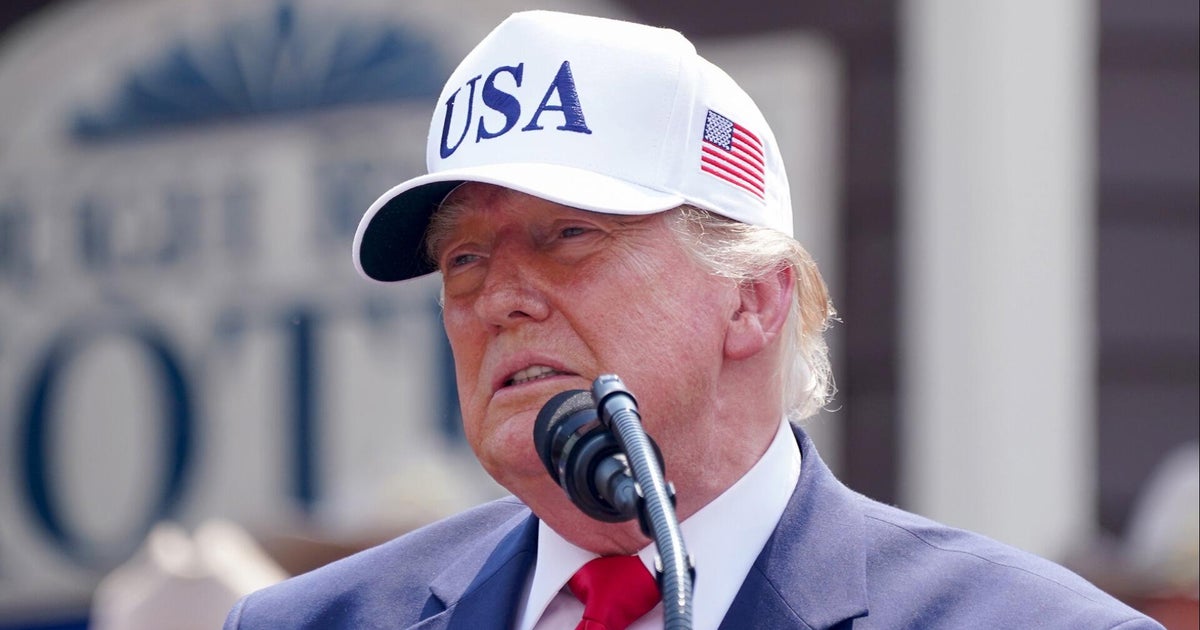
One year after President Trump signed a significant tax and spending package, the consequences for American households, businesses, and federal programs are becoming clearer. The legislation, often referred to as the OBBBA, has had a discernible impact across various sectors of the economy. Analysis of the bill's effects reveals a complex picture, with certain groups and industries experiencing benefits while others face challenges. The full scope of its influence continues to unfold, affecting economic landscapes and government operations. Further examination is needed to fully understand the long-term ramifications of this comprehensive economic legislation. The initial year has provided a snapshot of its immediate effects, highlighting the uneven distribution of its advantages and disadvantages. The administration's stated goals for the bill are being weighed against the observed outcomes.
The OBBBA's first year demonstrates how broad fiscal policy can create divergent economic outcomes. Examining the distribution of benefits and burdens reveals inherent trade-offs in legislative design, potentially impacting income inequality and market competition. Future analyses should consider how these initial effects align with or diverge from the bill's stated objectives, and whether adjustments may be necessary to foster more equitable economic growth in the coming decade. Understanding the interplay between tax policy, government spending, and business investment is crucial for navigating the evolving economic landscape.
AI-generated to prompt reflection — not editorial opinion, not advice, not a statement of fact. How this works.