One Year in Ukraine's 'Dead Zone': A Soldier's Survival
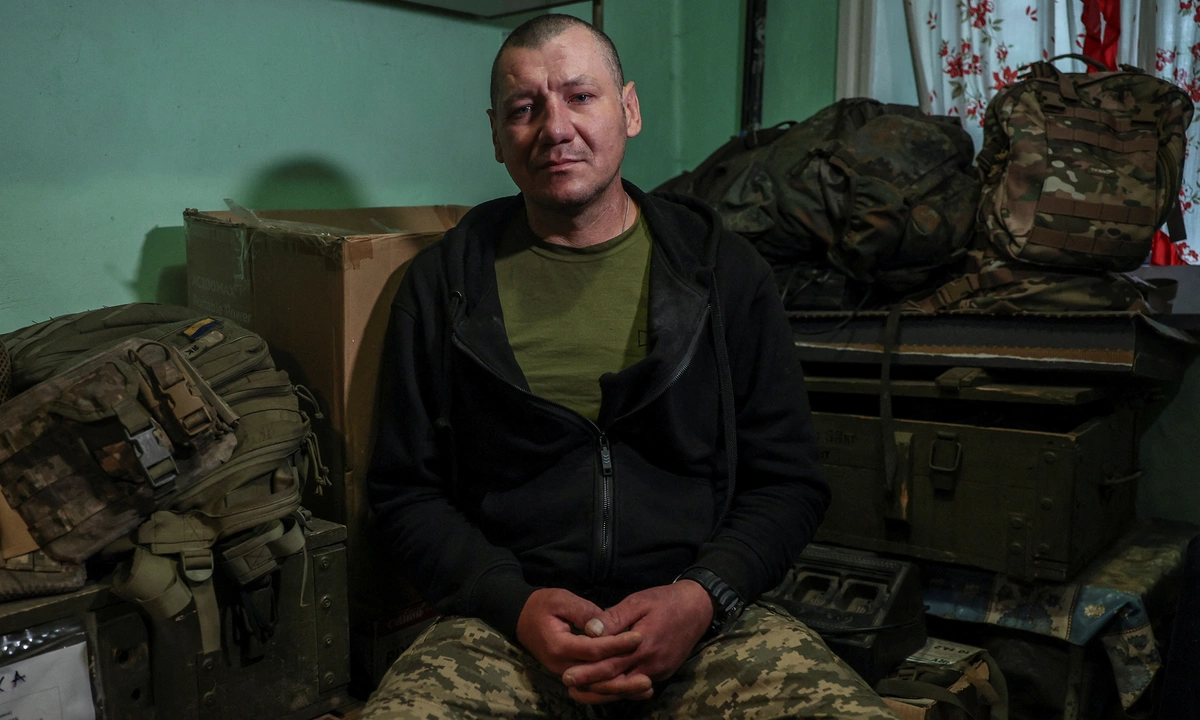
Three Ukrainian soldiers dug a dugout shelter to survive on the front lines. After nearly a year, only one, Krynitskyi, remains alive. The harsh reality of prolonged combat in a contested area has taken a significant toll on the soldiers. Their struggle highlights the immense challenges faced by those defending Ukraine. The constant threat and difficult conditions underscore the resilience required to endure such an environment. The survival of Krynitskyi, while a testament to his fortitude, also points to the heavy losses sustained by his unit. This situation reflects the broader difficulties of trench warfare and the psychological strain on combatants. The 'dead zone' metaphor emphasizes the perilous and often static nature of their positions. The story serves as a stark reminder of the human cost of the ongoing conflict.
The prolonged engagement in static defensive positions, referred to as a 'dead zone,' presents significant psychological and physical attrition risks for soldiers. The narrative highlights the critical importance of robust defensive infrastructure and the profound impact of sustained combat on personnel retention. Future military strategies may need to increasingly account for the long-term sustainability of troop welfare in high-intensity, low-mobility environments, considering advancements in both defensive technologies and the potential for rapid, decisive maneuvers enabled by modern warfare capabilities. The resilience required in such scenarios underscores the need for comprehensive support systems addressing mental and physical health over extended deployments.
AI-generated to prompt reflection — not editorial opinion, not advice, not a statement of fact. How this works.