One Year On, Shooting Victim Demands Justice for Attack at João Pessoa Party
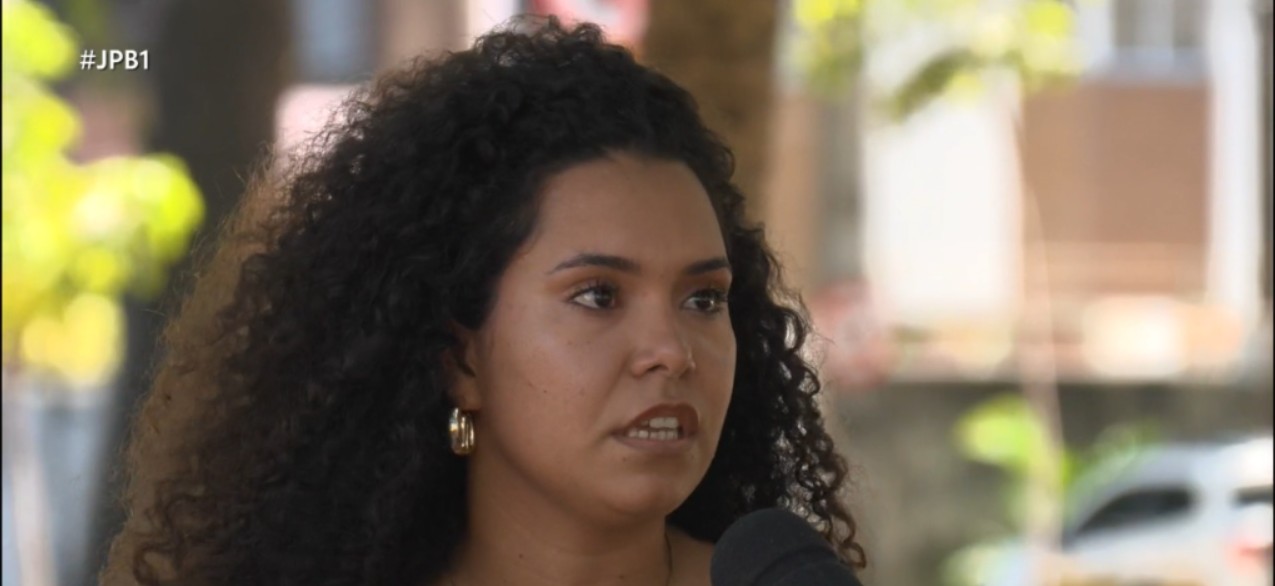
Juliana Batista is still seeking justice one year after being shot in the chest during a pagode party in João Pessoa's Altiplano neighborhood. The attack, which occurred during a disturbance near the stage, resulted in her undergoing high-risk surgery, losing professional opportunities, and requiring ongoing medication. Batista believes the event's organization shares responsibility, stating "It wasn't just one person's mistake. It was a mistake by the event organizers, of situations that could have been avoided." She hopes for justice and for such incidents to be prevented in the future.
Batista recounted that security intervention was ineffective during the fight that preceded the shooting. She also questioned the immediate medical response, noting that the on-site ambulance was reportedly closed. After being taken to the João Pessoa Emergency and Trauma Hospital, her severe injuries, including perforations to her lung and liver, necessitated a laparotomy. The recovery process was traumatic, with Batista fearing for her life and preparing to say goodbye to friends. Her life has been significantly altered by physical and psychological sequelae, including missing a job opportunity due to her hospitalization. Compounding her trauma, her brother, who had schizophrenia, was murdered a month after her shooting.
The event organizer stated they provided victim assistance, cooperated with authorities, and shared relevant information. However, the Civil Police investigation is stalled, awaiting ballistic forensics to identify the shooter. The incident on October 12th injured three people; Batista, 32, and two men, aged 29 and 31. While the men were discharged the same day, Batista's critical condition required extended hospitalization. Witnesses suggested the shooter might have been an off-duty police officer, but this remains unconfirmed.
This case highlights systemic failures in event security and emergency response protocols. The victim's account suggests a lack of adequate safety measures and immediate medical support, contributing to severe consequences. The ongoing investigation, dependent on forensic analysis, underscores the challenges in achieving timely accountability. From a public safety perspective, the incident raises questions about regulatory oversight for large gatherings and the preparedness of on-site medical services. Future event planning should prioritize robust security deployment, clear emergency action plans, and readily accessible medical facilities to mitigate risks and ensure attendee well-being, particularly in light of the potential for escalating conflicts and the critical need for swift medical intervention.
AI-generated to prompt reflection — not editorial opinion, not advice, not a statement of fact. How this works.