One Year Without Murders, But Residents Hesitate to Return to Uiraponga
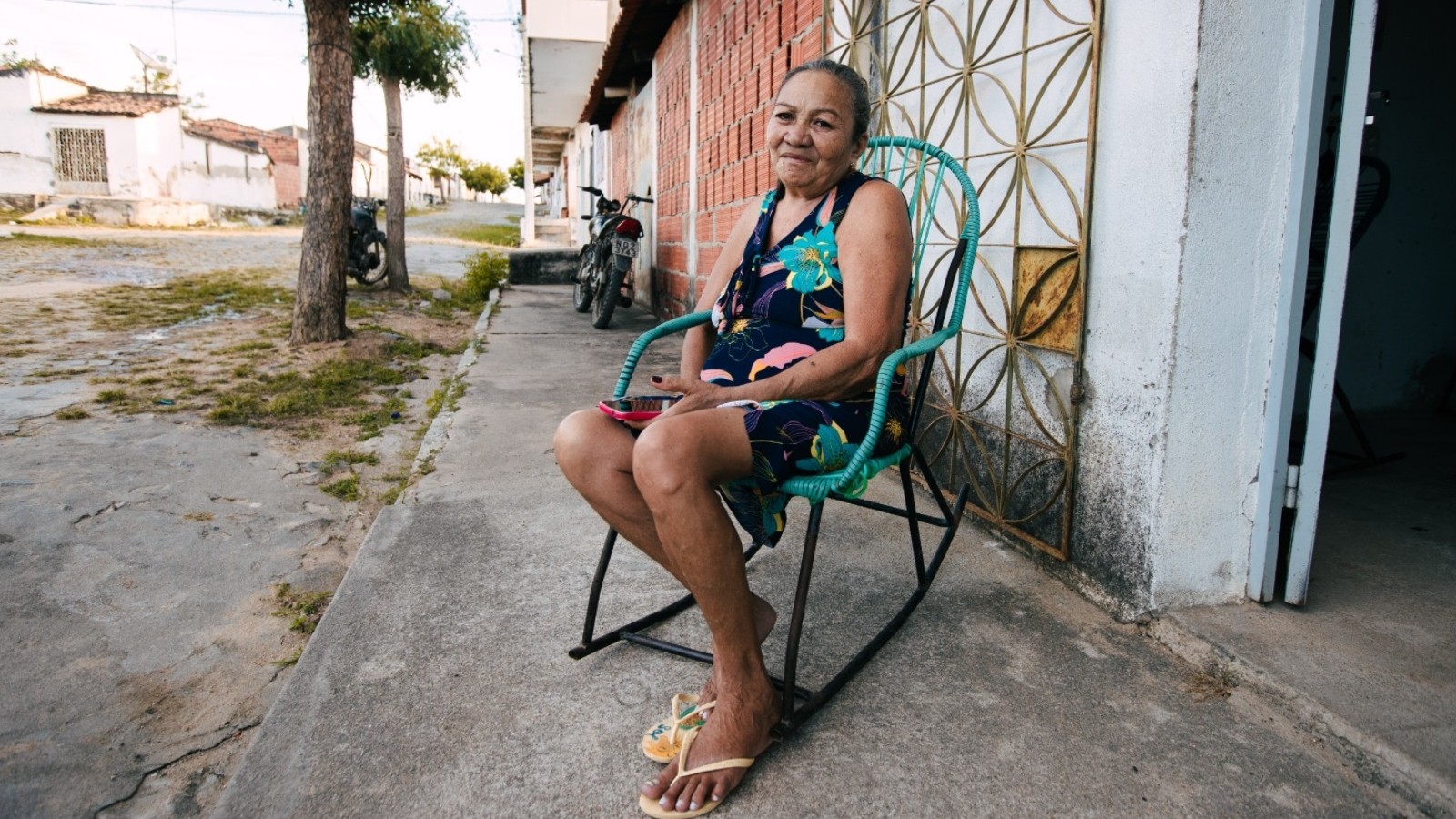
The village of Uiraponga, located in Morada Nova in the interior of Ceará, Brazil, has not registered any murders in the past year due to increased security measures. Despite these improvements and other enhancements, some former residents remain reluctant to permanently return to the community. Uiraponga experienced a mass exodus of families in July 2025, driven by disputes between criminal factions. The town, situated 23 kilometers from the municipal seat, is now witnessing a gradual population return. According to Morada Nova's mayor, Naiara Castro, over 80 families have returned, with this trend intensifying in June of the current year. In 2025, authorities arrested 13 individuals implicated in the "forced displacements," a term used by the Ceará Public Security Secretariat for crimes involving the expulsion of residents by criminals. One alleged mastermind was apprehended in São Paulo. Maria José do Nascimento, 63, left her lifelong home in Uiraponga ten months ago to live with her daughter in Limoeiro do Norte. She visits Uiraponga periodically but has no definite plans to return permanently, stating, "I don't know, I won't say anything. I can't say I'll never come back, because I was born and raised here, I never forget." Another former resident, retiree José Bento Neto, who left Uiraponga in his youth for work, maintains ties by visiting seasonally from Fortaleza. He recalls the mass departure occurring as he prepared to attend the local patron saint's festival, which was subsequently canceled. Neto expresses optimism about Uiraponga's future, noting significant improvements and anticipating further development.
The situation in Uiraponga highlights the complex interplay between public safety improvements and community trust. While the absence of homicides for a year is a significant achievement, the lingering hesitation of former residents underscores the deep psychological impact of past violence and displacement. The criminal factions' ability to force residents out demonstrates a prior breakdown in state authority and community security, creating a legacy of fear that security reinforcements alone may not immediately erase. The gradual return suggests that rebuilding social cohesion and economic stability are crucial for full recovery. Future policy considerations should focus on sustainable community development and restorative justice initiatives to address the root causes of vulnerability to organized crime, ensuring long-term resilience beyond immediate policing efforts.
AI-generated to prompt reflection — not editorial opinion, not advice, not a statement of fact. How this works.