Online Games: Are They Leading Bangladeshi Youth to Forbidden Gambling?
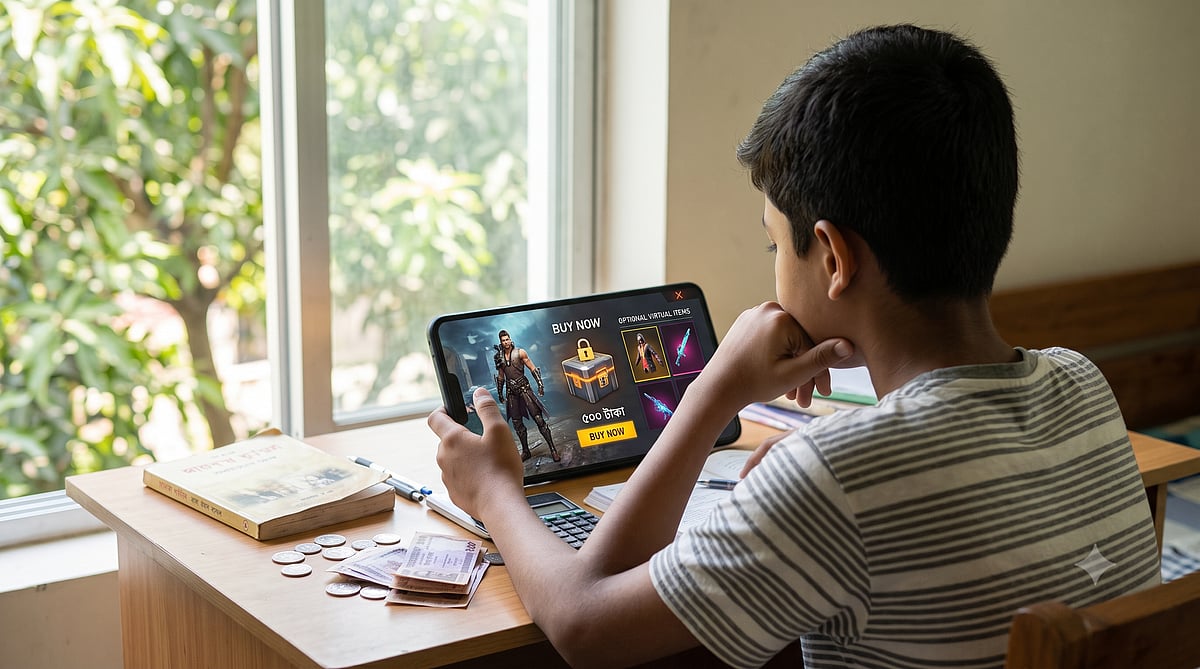
Online games have become a familiar presence among young people in Bangladesh. While the games themselves are free to play, they incorporate in-game purchase systems that can lead to continuous spending. These systems are designed in such a way that users are encouraged to spend money within the game. This mechanism raises concerns about whether these online gaming experiences are inadvertently drawing adolescents into forms of gambling. The pervasive nature of these games means that many young individuals are exposed to these spending mechanics. The article highlights the potential for these free-to-play models to mask underlying financial risks. It suggests that the internal economy of these games may be a gateway to problematic spending habits. The transition from free gameplay to in-game purchases can be subtle, making it difficult for users to track their expenditure. This situation prompts a critical look at the design and impact of popular online games on the youth of Bangladesh.
The design of free-to-play online games often incorporates microtransactions and in-game economies that can blur the lines between entertainment and expenditure. This monetization strategy, while common in the global gaming industry, presents a potential risk for younger demographics who may be more susceptible to impulsive spending or less aware of financial consequences. The structure of these in-game purchases can mimic the psychological hooks found in gambling, creating a cycle of spending that is difficult to break. As digital economies evolve, regulators and parents will need to consider frameworks that protect vulnerable users from potentially exploitative monetization practices within online entertainment platforms. The long-term societal impact of such gaming models on financial literacy and well-being warrants ongoing examination.
AI-generated to prompt reflection — not editorial opinion, not advice, not a statement of fact. How this works.